SDG 1: NO POVERTY

SDG 1: NO POVERTY 2025
“Over 10% of the world’s population live in extreme poverty, unable to fulfill the most basic needs such as food, health, education, access to clean water and sanitation. Universities need to be able to demonstrate how they are helping to address this problem through their work.” (THE Impact Rankings)

University Anti-Poverty Programs
IPB University has established a formal institutional target to ensure that at least 25% of newly admitted students come from the bottom 20% of Indonesian households by income. This target is stipulated in the Performance Agreement between the Ministry of Education and the Rector of IPB University, which has been in effect since 2020. Under this agreement, the university uses a monthly household income threshold of less than IDR 5 million to identify students from economically disadvantaged backgrounds, corresponding to its institutional definition of the bottom national income quintile. This commitment is further reinforced by the IPB University Strategic Plan 2024–2028 (page 28), which prioritises accessible and inclusive education through expanded opportunities for underrepresented and economically disadvantaged groups, contributing to increased participation in higher education.
In 2025, IPB University exceeded its institutional admission target, with 4,215 newly admitted students (49.17%) coming from families earning less than IDR 5 million per month. Meanwhile, 4,356 students (50.82%) came from households with monthly incomes above IDR 5 million. Based on the recorded parental income data for 8,571 newly admitted students, the proportion from the low-income category exceeded the university’s minimum target of 25% by 24.17 percentage points. This achievement demonstrates the implementation of IPB University’s institutional commitment to expanding higher education access for students from economically disadvantaged households.
Student Admission by Income Group
The university supports this admission target through inclusive admission pathways and financial assistance programmes designed to reduce socioeconomic barriers to higher education. In 2025, IPB University admitted 4,013 prospective students through the National Selection Based on Achievement (SNBP) pathway, including 1,237 applicants for the Indonesia Smart Card for Higher Education (KIP Kuliah) scholarship, subject to eligibility verification. IPB University also maintains multiple admission pathways to accommodate applicants from diverse socioeconomic and regional backgrounds. According to the university’s 2025 institutional report, more than IDR 138 billion in scholarships and educational assistance was provided during the yea. These measures complement the university’s quantitative admission target and reinforce its commitment to equitable and inclusive access to higher education.
IPB University is committed to supporting the successful completion of higher education among domestic students from economically disadvantaged households. In 2025, a total of 4,982 graduates (58%) came from families with a monthly household income below IDR 5 million, representing the university’s low-income category. Meanwhile, 3,599 graduates (42%) came from households earning IDR 5 million or more per month. Of the 8,581 students who graduated in 2025, more than half were from low-income households, surpassing the target percentage of Bottom Financial Quintile Students accepted by IPB.
IPB University’s commitment to successful student outcomes is further supported by its institutional performance targets established through the Performance Agreement between the Ministry of Education and the Rector of IPB University. Under Point 7 of this agreement, the university aims for at least 70% of its graduates to secure employment within one year of graduation, reflecting its commitment to improving educational quality, graduate employability, and the relevance of higher education to labour market needs. This institutional target complements the university’s efforts to promote meaningful educational outcomes for students from diverse socioeconomic backgrounds, including those from low-income households.
Graduates Family Income Groups
IPB University provides various forms of support, including food assistance, student housing, and campus transportation, to help students from low-income families meet their basic needs and successfully complete their university education. These initiatives aim to reduce financial barriers, improve student well-being, and create a supportive learning environment, particularly for students from economically disadvantaged households. Through university-managed facilities, subsidised services, and collaborations with alumni and donors, IPB University seeks to ensure that financial difficulties do not prevent students from continuing and completing their studies.
Food Support
IPB University provides direct food assistance and subsidised meal programmes to reduce daily living expenses and improve access to nutritious food for students from low-income families. The IPB Food Bank collects food donations from individuals and organisations and redistributes them to students in need. In 2025, the programme distributed more than 450 food packages, helping students experiencing financial difficulties meet their daily food requirements. The university also operates the Free Fruit and Milk Programme, which provides 100 free packages of fruit and milk every working day, supporting students’ nutritional intake. In collaboration with IPB alumni from cohorts 18 and 19, the Free Meal Programme provides 35 free meal packages every working day to students in need. Additionally, Warung Kita, a subsidised campus dining initiative, offers nutritious meals for only IDR 10,000 per portion, making balanced meals more affordable for economically disadvantaged students. Collectively, these initiatives help alleviate food-related financial pressures and enable students to focus on their academic responsibilities and progress towards graduation.


Housing and Dormitory
IPB University provides affordable housing options for students. The dormitory experience allows students to live and learn alongside peers from diverse regions of Indonesia and around the world. Throughout the year, students can participate in various sports, cultural, and social events, creating lasting memories and friendships during their time at university. 
Transportation Support
To support student mobility, IPB University provides free in-campus transportation with 11 shuttle buses operating Monday to Friday in two shifts (06.00–14.00 and 10.00–18.00), completing around 19 trips per day. In addition, the university runs a Friday cycling program (Healthy Lifestyle) that allows students to borrow bicycles provided by the university. With a fleet of over 700 bicycles, this initiative promotes physical well-being and sustainable mobility while reducing transportation costs for students.

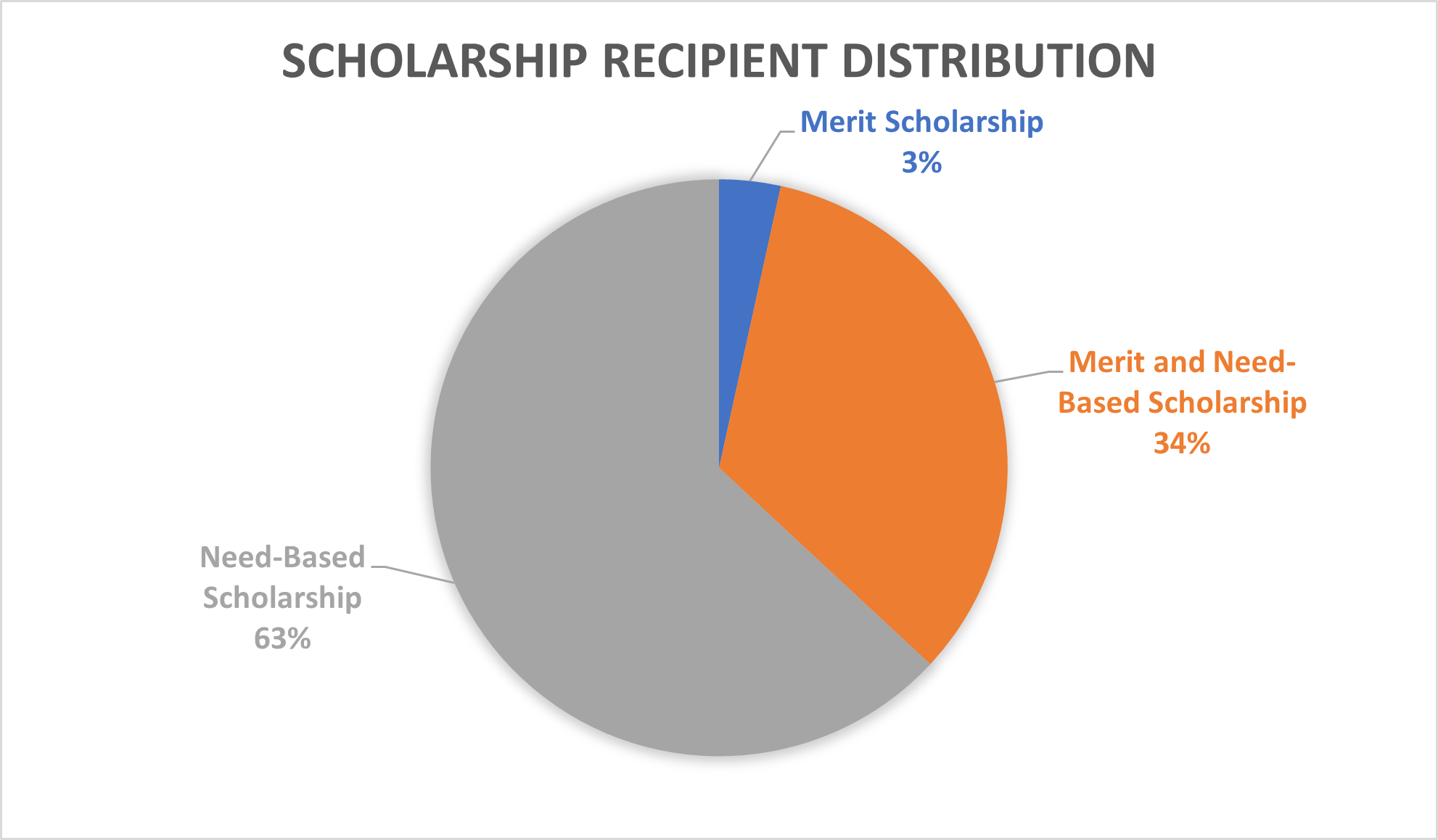
IPB University implements comprehensive financial and non-financial support programmes to help students from the bottom 20% of Indonesian households by income overcome economic barriers and successfully complete their studies. These initiatives include need-based scholarships, tuition assistance, academic mentoring, and student capacity-building programmes designed to support educational continuity and prevent students from discontinuing their studies due to financial difficulties. In 2025, 10,901 students received scholarship assistance, with total funding reaching approximately IDR 141.7 billion from 116 donor institutions. This represents an increase from 2022, when 8,416 students received scholarships totalling IDR 113.84 billion from 63 donors. Of the 2025 scholarship recipients, 7,820 students (71.74%) received need-based assistance amounting to IDR 98.69 billion, while an additional 1,250 students (11.47%) received scholarships based on both financial need and academic merit. These figures demonstrate the university’s prioritisation of economically disadvantaged students in its scholarship distribution and its efforts to provide sustained financial support throughout their studies.

Scholarship Recipients Distribution
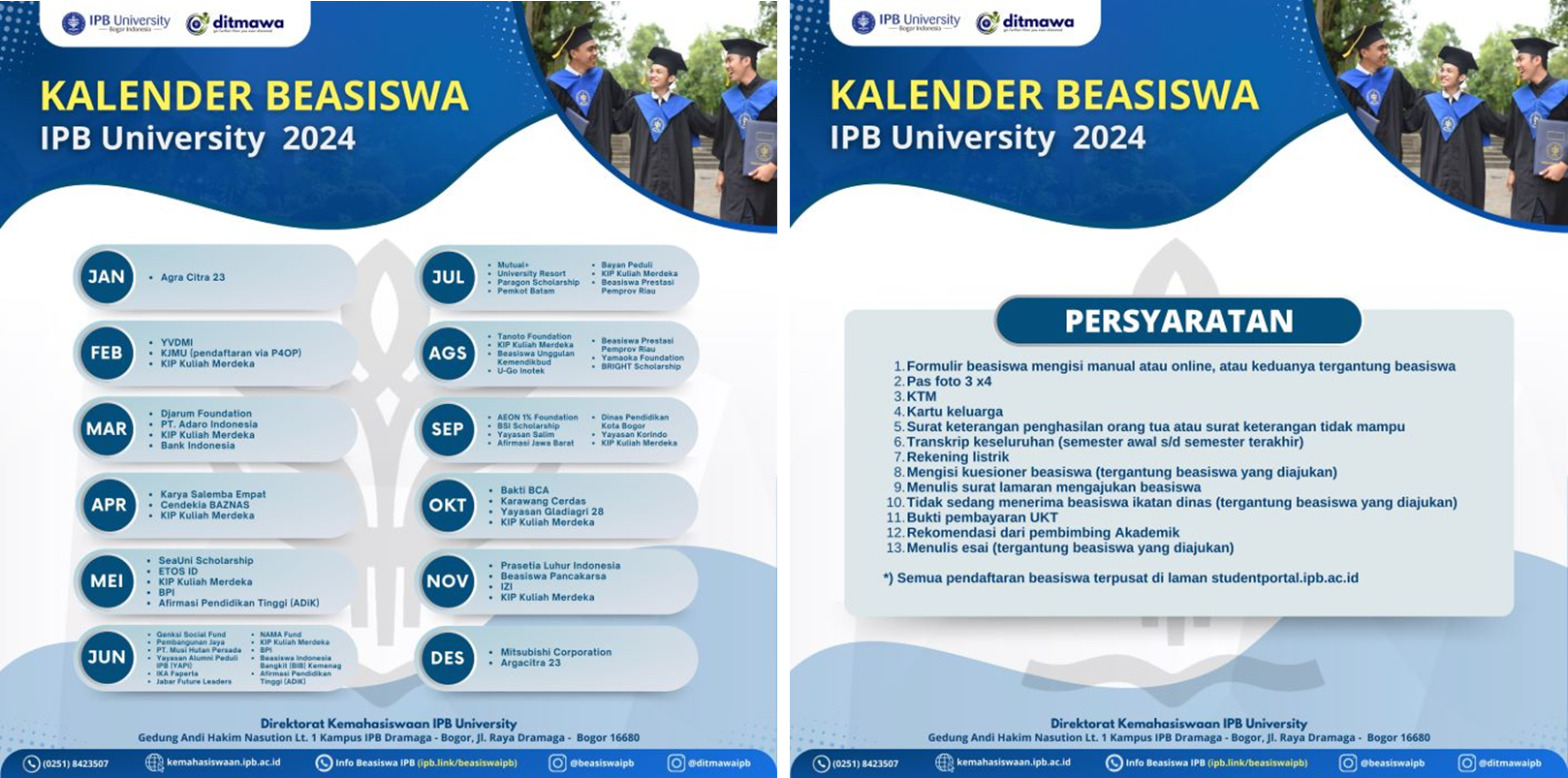
IPB University facilitates access to government-funded and partnership-based scholarships specifically intended to reduce financial barriers for students from disadvantaged backgrounds. Major government programmes include Kartu Indonesia Pintar Kuliah (KIP Kuliah), which provides educational financial assistance to students from economically disadvantaged families, and Beasiswa Afirmasi Pendidikan Tinggi (ADik), which supports students from frontier, outermost, and disadvantaged (3T) regions and other eligible vulnerable groups. The university also facilitates access to Beasiswa Unggulan, which includes affirmative scholarship opportunities. Through partnerships with private foundations, financial institutions, and other organisations, IPB University provides additional scholarship opportunities, including need-based assistance from the Korindo Foundation, Hadji Kalla Foundation, and PLN Baitul Maal Foundation, as well as programmes combining academic merit and financial need, such as Bakti BCA, Bank Indonesia, Karya Salemba Empat (KSE), Tanoto Foundation, and Paragon Scholarship. In June 2025, IPB University further demonstrated its commitment to educational inclusion by providing special admission opportunities and full scholarships to children of coffee farmers from Cibulao Village, Bogor, helping students from farming families access and pursue higher education without being constrained by financial barriers.
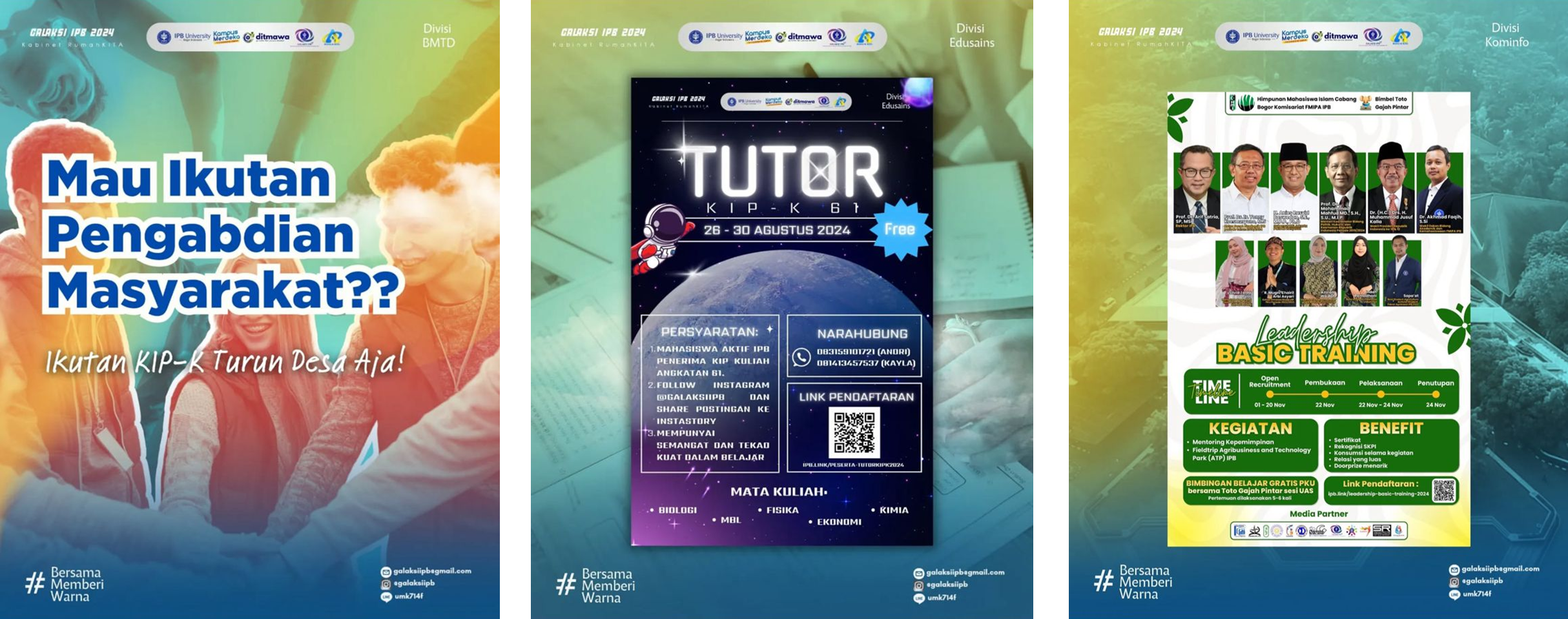
Beyond financial assistance, IPB University provides academic mentoring and personal development programmes to support the retention and successful completion of studies among scholarship recipients, particularly students receiving KIP Kuliah and ADik assistance. Through the Directorate of Student Affairs, dedicated mentoring initiatives involving trained peer mentors provide academic guidance and psychosocial support to help students address academic, financial, and personal challenges throughout their university education. In December 2025, IPB University also organised a Financial Literacy Training and KIP Kuliah and Affirmation Scholarship Orientation attended by 1,200 students, including 1,023 KIP Kuliah recipients, 23 affirmation scholarship recipients, and 41 recipients of Bank BTN assistance. The programme provided guidance on financial management, academic planning, personal development, and responsible use of scholarship funds. These activities are intended to strengthen students’ financial literacy, academic resilience, and capacity to manage challenges that could otherwise affect their ability to complete their studies.
IPB University’s student support initiatives also extend to skills development and preparation for employment after graduation. The university provides soft skills training to strengthen leadership, communication, adaptability, and other competencies relevant to academic success and career readiness. These initiatives complement the institutional performance target established through the Performance Agreement between the Ministry of Education and the Rector of IPB University (Point 7), which aims for 70% of graduates to secure employment within one year of graduation. Although this is an employment rather than a study-completion target, it reflects the university’s broader commitment to supporting successful student outcomes. Through the integration of need-based scholarships, academic mentoring, financial literacy education, and personal development, IPB University seeks to ensure that students from economically disadvantaged households receive the financial and academic support necessary to remain enrolled, progress through their studies, and successfully graduate.
IPB University provides scholarship schemes and financial assistance to support international students from developing countries, including those classified as low- and lower-middle-income countries, enabling them to access higher education and pursue their studies with reduced financial barriers. These initiatives are implemented through university-managed scholarships and partnerships with the Indonesian government, international organisations, foreign governments, and other funding institutions. In 2025, IPB University enrolled 833 full-time international students, of whom 611 (73.35%) came from low- and lower-middle-income countries, such as Timor Leste, Kenya, Rwanda, Papua New Guinea, and Afghanistan.
These students benefit from various scholarship programs. Among the major programmes were the Kemitraan Negara Berkembang (KNB) Scholarship and The Indonesian AID Scholarship (TIAS), which provide financial assistance to international students from eligible developing countries. The KNB Scholarship is a fully funded Indonesian government programme designed to expand higher education opportunities for students from developing countries, covering tuition fees, living allowances, health insurance, research support, and transportation assistance. Similarly, TIAS provides comprehensive financial assistance, including tuition fees, accommodation, monthly living allowances, health insurance, travel expenses, and academic support.
IPB University also facilitates additional scholarship opportunities through collaborations with international institutions, development partners, and other funding organisations. In 2025, these included the AIS Innovators’ Scholarship, Research and Plantation Network (RPN) Scholarship, Tanzania Government Scholarship, EPMM DAAD, KOICA, Pelindo, Rector Scholarship, and several other scholarship schemes. The AIS Innovators’ Scholarship, for example, supported students from archipelagic and island nations, including Madagascar, Comoros, Timor-Leste, Papua New Guinea, and the Solomon Islands, which are classified as low- or lower-middle-income economies. In addition, the IPB University Rector Scholarship, an institutionally managed initiative, provides scholarship opportunities for international students pursuing undergraduate, master’s, doctoral, and non-degree programmes. These initiatives demonstrate IPB University’s direct involvement in facilitating financial assistance and broadening access to higher education for international students from economically disadvantaged countries.
| Scholarship | Number of Awardee |
| Kemitraan Negara Berkembang (KNB) | 31 |
| The Indonesian AID Scholarship (TIAS) | 13 |
| AIS Innovators’ Scholarship | 6 |
| BRIN | 1 |
| DD Warsaw | 1 |
| EMPM DAAD | 3 |
| Indofood-Kenya | 1 |
| KOICA | 2 |
| Pelindo | 2 |
| Rector Scholarship | 2 |
| RPN | 5 |
| Tanzania Government | 4 |
| Vegetable Oil Project | 1 |
Community Anti-Poverty Programs
IPB University demonstrates a strong commitment to supporting community development and the establishment of financially and socially sustainable businesses through education, mentorship, and access to university resources. The university actively facilitates incubation, capacity building, and collaboration between academia, industry, and local communities.
- Community-Based Social Entrepreneurship and Business Development Training
In September 2025, IPB University’s Vocational School, through its Agribusiness Management Study Programme, implemented a community-based social entrepreneurship programme in Mulyaharja, Bogor, involving local residents and the Ciharashas Women Farmers Group. The programme combined participatory discussions, agricultural skills development, and practical business education to strengthen household food security and community economic capacity. Follow-up training provided participants with essential entrepreneurial skills, including product branding, selling-price calculation, basic financial recordkeeping, and digital marketing through WhatsApp Business. By equipping local women with practical skills to develop and manage small-scale enterprises, the initiative supported inclusive economic participation and the long-term viability of community-based businesses.
- Financial Literacy and Business Management Support for Local MSMEs
IPB University also provides financial management education to strengthen the sustainability of local micro, small, and medium enterprises (MSMEs). In February 2025, the Tax Center of IPB University’s Vocational School organised the TAXIS programme in Tegalwaru, Ciampea, Bogor, involving 35 local MSME owners. The programme provided training in capital management and systematic financial recordkeeping to help participants manage their business finances more effectively. Further support was delivered in October 2025 through accounting and financial reporting training for MSMEs in Mulyaharja Tourism Village, Bogor. These initiatives helped strengthen the financial management capabilities needed to establish, operate, and sustain small businesses.
- Practical Skills and Technology Transfer for Community-Based Enterprises
Through its Dosen Pulang Kampung Programme, IPB University extends business development assistance to communities beyond its immediate campus area. In June 2025, the university conducted Good Manufacturing Practice (GMP) training in Barru Regency, South Sulawesi, involving 35 participants, predominantly women. The programme provided practical knowledge of hygienic and standardised fish processing to support the development of value-added fish products and improve the competitiveness of local small enterprises. By transferring applied food-processing knowledge to community members, IPB University helped strengthen their capacity to pursue sustainable income-generating activities based on locally available resources.
- Business Incubation, Mentorship, and Access to University Resources
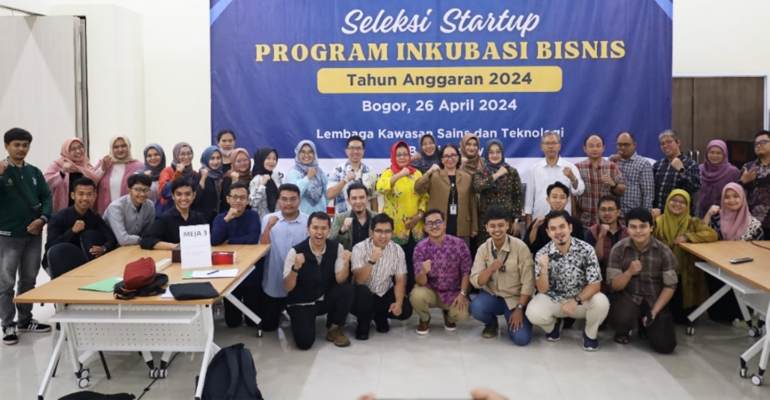
At the institutional level, IPB University provides structured business development support through its Science Techno Park (STP) and Institute of Science and Technology Area (LKST). In 2025, the university facilitated 25 startup teams through its business incubation programme, offering workshops on business and action planning, product legality, marketing strategies, and packaging technology. The university’s broader incubation services include business mentoring, production and packaging technology consultation, regulatory assistance, access to production facilities for eligible tenants, and business matching opportunities. These resources demonstrate IPB University’s institutional capacity to support the development of viable, innovation-driven enterprises.
IPB University, through the Institute of Science and Technology Area (LKST), provides financial assistance to support the establishment of financially and socially sustainable start-ups in local communities. The university implements the Start-Up Incentive Program, which offers seed grants and business development support for early-stage start-ups under the mentoring and incubation program managed by the Division of Business Incubator and Industrial Partnership at LKST. These grants act as catalytic funding to help start-ups develop prototypes, conduct market validation, and enhance operational capacity under the mentoring of the Division of Business Incubator and Industrial Partnership at LKST. Several beneficiaries include community-based entrepreneurs and local MSMEs engaged in agri-food innovation, ensuring that the program’s benefits extend beyond the university’s internal ecosystem.
| No |
Enterprise Name |
Business Sector |
|
| 1 | Dewi Hanesa | Pangan | |
| 2 | Planteria.id | Pertanian | |
| 3 | Dapur pala | Pangan | |
| 4 | Anugrah Mahkota Bumi | Pangan | |
| 5 | Dapur Ibu Bogor | Pangan | |
| 6 | Pempek 94 | Pangan | |
| 7 | Amanta Segar | Pangan | |
| 8 | WAIN Health Internasional | Pangan | |
| 9 | Bitanic Agrinesia Sejahtera | Pertanian | |
| 10 | Penta Agrochem Mulia | Pertanian | |
| 11 | Sanfood Brilian Indonesia | Pangan | |
| 12 | Tahu Bakso Center/Tahu Bakso Nona Ting-Ting | Pangan | |
| 13 | Hanasta Tiyasa | Pangan | |
| 14 | Hirangrang, PT Esa Agrihulu Lestari | Pertanian | |
| 15 | OKE Garden | Pertanian | |
| 16 | Dishakalis | Pangan | |
| 17 | Mina Akuatik Nusantara (Minaqu) | Pertanian | |
| 18 | Rumah Kedelai Pak Mien Soya Ayu | Pangan | |
| 19 | Bens Farm | Pangan | |
| 20 | STAAR CRAB Indonesia | Pertanian | |
| 21 | PawonTombo FnB | Pangan | |
| 22 | Koperasi Agri Purwa Madani | Pertanian | |
| 23 | Biomagg | Pertanian | |
| 24 | Fishsnack | Pangan | |
| 25 | SUGENG JAYA GRUP | Pertanian | |
| 26 | PT Pupuk Mega Perkasa | Pertanian | |
| 27 | Pelita Desa Export | Pertanian | |
| 28 | Bitanic Indonesia | Pertanian | |
| 29 | SpreadShip | Pertanian | |
| 30 | Indo Tropical Transhippers | Pertanian | |
| 31 | Gudang Rempah Indonesia | Pangan | |
| 32 | Kemenady Coffee | Pangan |
In 2025, IPB University continued its PRIME STeP (Promoting Research and Innovation through Modern and Efficient Science and Technology Parks) programme, implemented through the Institute of Science and Technology Area (LKST) with funding support from the Asian Development Bank (ADB). The programme provides a framework for financial assistance to innovation-based start-ups, including seed capital and business development grants to support product development, market validation, commercialization, and business expansion. In September 2025, 16 start-ups were selected to participate in the programme. Financial support is integrated with business planning, budgeting, financial accountability, mentoring, and market development activities to strengthen the long-term viability of participating enterprises.
IPB University also facilitates access to business financing for community-based entrepreneurs through collaborative economic empowerment initiatives. Through its Center for Agricultural and Rural Development Studies (PSP3), IPB University collaborated with the Ministry of Manpower in the Area-Based Employment Expansion Programme in Pangkal Pinang. The initiative supported local independent entrepreneur groups through business capital assistance, financial access facilitation, and business development mentoring. Participating enterprises were assisted in accessing financing opportunities, including soft loans and support from financial institutions, while strengthening their production capacity, business legality, and market access. The programme also promoted environmentally responsible production practices to support sustainable local economic development.
Furthermore, in October 2025, IPB University partnered with Indonesia’s National Zakat Agency (BAZNAS) to implement the Santripreneur 2025 entrepreneurship programme. The initiative formed part of BAZNAS’s broader entrepreneurship empowerment scheme, which combines business capital assistance with entrepreneurial training and mentoring. IPB University contributed to implementing the programme through intensive business development activities for 50 selected participants, supporting the development of economically viable and socially beneficial entrepreneurial initiatives.
IPB University is committed to improving access to basic services through community development programmes, practical training, and educational initiatives that address the essential needs of local communities. In 2025, the university implemented various programmes focusing on food and nutrition security, clean water management, preventive healthcare, and community empowerment, particularly for rural populations and vulnerable groups. These initiatives aim to equip communities with the knowledge, skills, and resources needed to improve their well-being and strengthen their capacity to meet basic needs sustainably.
One of IPB University’s key institutional initiatives is the Dosen Pulang Kampung (Dospulkam) programme, which connects university expertise with local communities through training, technical assistance, and the application of practical innovations. In 2025, the programme involved 106 lecturers working with communities across 106 villages and urban neighbourhoods in 62 districts and cities throughout 14 Indonesian provinces. Activities were developed in response to local needs, enabling communities to benefit from university knowledge and technologies while strengthening their ability to address everyday challenges.
Improving access to clean water and food security for vulnerable groups was also a focus of IPB University’s community engagement activities. Through the Pelita Swakarsa programme, students provided practical training and introduced appropriate technologies at Pondok Lansia Berdikari, an elderly care institution. The programme focused on strengthening food production and resource management through aquaponics, organic waste processing, and wastewater recycling. Caregivers received hands-on guidance to help them manage these systems, supporting the institution’s efforts to provide more reliable access to essential resources for elderly residents.
Improving access to nutrition education and promoting better community health formed another important part of IPB University’s initiatives in 2025. In Kebakalan Village, Kebumen, the university conducted stunting prevention education and practical training on preparing nutritious foods fortified with fish flour. The programme engaged 35 participants, including community health volunteers and women’s groups, who gained practical knowledge of affordable food preparation using locally available ingredients. Similarly, through the PANDAI-GO programme, IPB University’s Vocational School provided nutrition education for mothers and caregivers, including demonstrations on preparing complementary foods for infants and young children. Educational materials were also distributed through local community facilities to encourage continued learning.
IPB University further contributed to strengthening community-based preventive healthcare through the Kaderku initiative, established in 2025 by its School of Veterinary Medicine and Biomedical Sciences in collaboration with relevant stakeholders. The initiative was designed to develop the capacity of community volunteers in health education, early disease detection, and reporting, particularly in environments where animal and human health risks intersect. This approach supports community participation in disease prevention and strengthens connections between local communities and relevant health authorities.
Together, these initiatives demonstrate how IPB University translates its institutional commitment to social inclusion into practical programmes that respond to community needs. By providing training, sharing appropriate technologies, and working directly with local communities, the university helps reduce barriers to essential knowledge and resources, particularly for populations facing social and economic vulnerabilities.
IPB University actively contributes to the development of poverty reduction policies through research-based recommendations, policy planning, and collaboration with government institutions at local, regional, and national levels. In 2025, the university was involved in initiatives addressing poverty from multiple dimensions, including economic vulnerability, unequal access to essential services, food insecurity, and the effectiveness of social assistance. These contributions reflect IPB University’s commitment to supporting government efforts to develop more inclusive, targeted, and sustainable poverty reduction programmes.
At the local level, IPB University contributed directly to poverty reduction policy formulation and implementation planning through its Center for Regional Systems Analysis, Planning and Development (P4W/CrestPent). In 2025, the centre was involved in preparing Bekasi City’s Regional Poverty Alleviation Plan (RPKD) for 2025–2029 and its Annual Poverty Alleviation Action Plan for 2025. The regional plan provides a medium-term framework for addressing poverty through coordinated interventions in economic development, education, healthcare, and access to essential infrastructure. The annual action plan translates these priorities into more practical guidance for programme selection, inter-agency coordination, budgeting, and monitoring and evaluation. These documents support the local government’s efforts to align poverty reduction measures with broader regional development priorities and strengthen the implementation of programmes targeting disadvantaged communities.
At the national level, IPB University contributed to the development of more accurate and evidence-based poverty reduction policies through its collaboration with the Poverty Alleviation Acceleration Agency (BP Taskin). In December 2025, both institutions organised a national policy forum on integrating the National Single Socioeconomic Database (DTSEN) with IPB University’s Precision Village Data (DDP) system. The initiative supported discussions on the implementation of Presidential Instructions No. 4 and No. 8 of 2025, which focus on socioeconomic data integration and accelerating poverty and extreme poverty eradication. The forum brought together representatives from Bappenas, Statistics Indonesia (BPS), local governments, and academia to examine how verified village-level data could improve the identification of poor households, strengthen social assistance targeting, and inform more effective poverty reduction interventions. IPB University’s contribution centred on providing village-level research expertise to support policy planning and implementation.
IPB University also supported national policy development addressing food insecurity and nutritional deprivation. In February 2025, the university was appointed as a National Center of Excellence for Indonesia’s Free Nutritious Meals Programme, working alongside Bappenas, the National Nutrition Agency (BGN), and UNICEF Indonesia. Through its International Research Institute for Food, Nutrition, and Health, the university was assigned to conduct scientific assessments, develop nutritional intervention models, and formulate policy recommendations to support the implementation and improvement of the national programme. This collaboration demonstrates how IPB University’s research capacity contributes to public policy efforts addressing nutritional vulnerability and improving access to adequate food.
At the regional level, IPB University further strengthened its policy engagement through a partnership with the Government of North Maluku Province in December 2025. The collaboration was established to improve the accuracy of village-level socioeconomic data, particularly in relation to social assistance distribution, educational support, and regional development planning. By introducing its Precision Village Data approach as a potential basis for more reliable beneficiary identification and policy targeting, IPB University supports the development of more responsive and inclusive regional poverty reduction strategies.
Through these initiatives, IPB University demonstrates its institutional participation in poverty reduction policymaking, extending from the preparation of local government planning documents to national policy coordination and research-based recommendations. Its contributions address poverty as a multidimensional challenge by supporting improvements in economic opportunities, social protection targeting, food and nutrition security, and access to basic services.
SDG 1 IN NUMBER
37,443
Number of graduates in 2025
25,739
Number of low income students receiving financial aid
68.7%
Percentage of Students Receiving Financial Aid
Select an image for which you want to see the achievement of the SDG indicators







SDG 1: NO POVERTY 2024
“Over 10% of the world’s population live in extreme poverty, unable to fulfill the most basic needs such as food, health, education, access to clean water and sanitation. Universities need to be able to demonstrate how they are helping to address this problem through their work.” (THE Impact Rankings)
SDG 1 Report
University Anti-Poverty Programs
IPB University has set an institutional target to accept students from the bottom 20% of Indonesian households based on income. Based on the Performance Agreement between the Ministry of Education and the Rector of IPB University, which has been in effect since 2020, the university targets 25% of new students to come from families with an income of less than IDR 5 million per month, which corresponds to the bottom 20% of national household income.
Student Admission by Income Group
This commitment is reinforced in the IPB University Strategic Plan 2024–2028 (page 28), which emphasizes fair and inclusive access, including efforts to expand participation among students from low-income backgrounds and rural households.
In 2024, IPB organized the Indonesian Agriculture Olympiad (OPI), which was participated in by students from 11 provinces. Through this program, IPB provided pathways for the children of farmers to gain admission without having to undergo the standard entrance examination process. Additionally, IPB University also implements an equitable Single Tuition Fee (UKT) scheme, taking into account students’ socioeconomic backgrounds. Several students from very low-income families are exempted from paying the fees.
In 2024, a of the 7,813 graduates (58 percent) come from low-income families (or earn less than 4 million Rupiah per month). This has increased from last year when it was only 55 percent (2,787 of 5,068 graduates), and surpasses the target percentage of Bottom Financial Quintile Students accepted by IPB.
| Student Family’s Income | 2022 | 2023 | 2024 | |||
| n | % | n | % | n | % | |
| Low Income | 3,182 | 43 | 2,787 | 55 | 4,559 | 58 |
| Middle high income | 4,219 | 57 | 2,281 | 45 | 3,254 | 42 |
| Total | 7,400 | 100 | 5,068 | 100 | 7,813 | 100 |
In addition to the graduate target, IPB also aims for 80 percent of its graduates to be working directly within one year of graduation. This target is to improve the quality of learning and the relevance of higher education, as stated in the contract of performance between the Ministry of Education and the Rector of IPB University.
IPB University is committed to providing inclusive support for all students, with particular attention to those from low-income families. To help ensure student well-being and academic focus, the university offers a range of innovative support services, including access to nutritious meals, housing, and complimentary transportation. These initiatives aim to create a more comfortable and enabling learning environment. The support provided is the result of strong collaboration with various stakeholders, including the central and local governments, alumni, state-owned enterprises, private sector partners, and other contributors.
Food Support
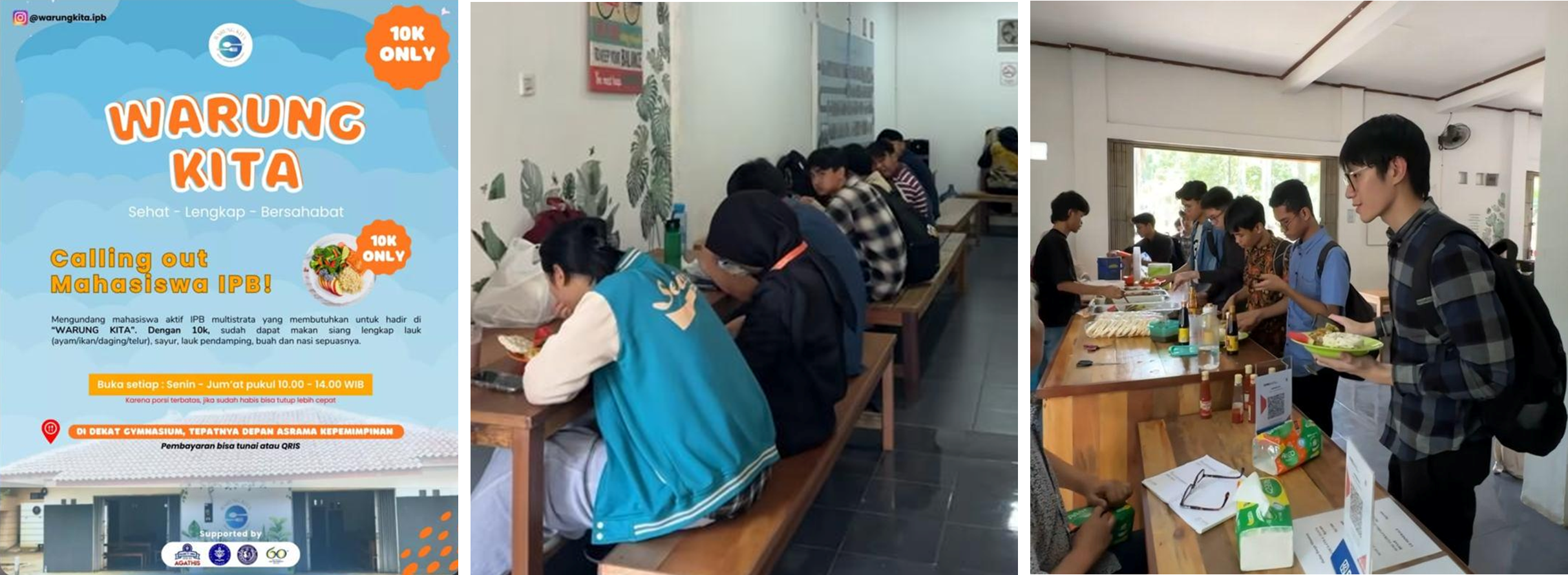
The university provides support through Warung Kita, a canteen initiative supported by IPB alumni that offers subsidized nutritious meals for students in need. This program operates daily and helps students maintain adequate nutrition at an affordable cost. Additionally, IPB University provides support through the Milk and Fruit Assistance Program, coordinated by the Directorate of Student Affairs. This program supplies free milk and fruits to active students on a regular basis as part of the university’s welfare policy. In 2024, a total of 22.154 food packages were distributed to support students’ health and well-being.
Housing and Dormitory
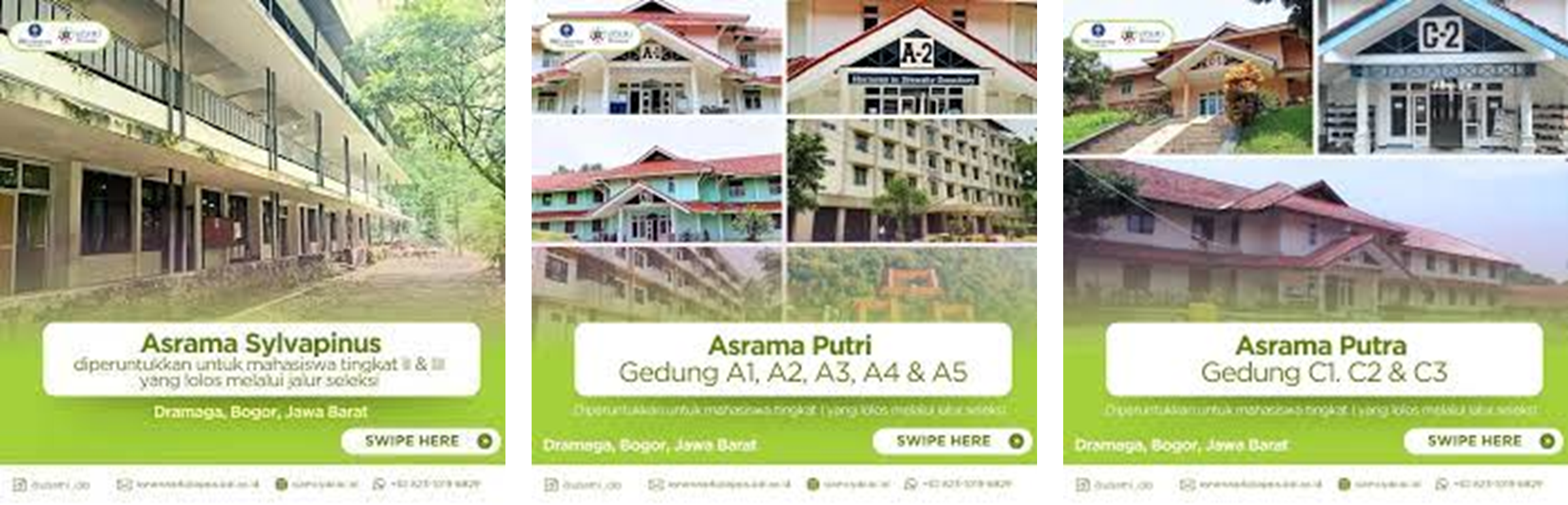
IPB University provides affordable housing options for students. The dormitory experience allows students to live and learn alongside peers from diverse regions of Indonesia and around the world. Throughout the year, students can participate in various sports, cultural, and social events, creating lasting memories and friendships during their time at university.
Transportation Support
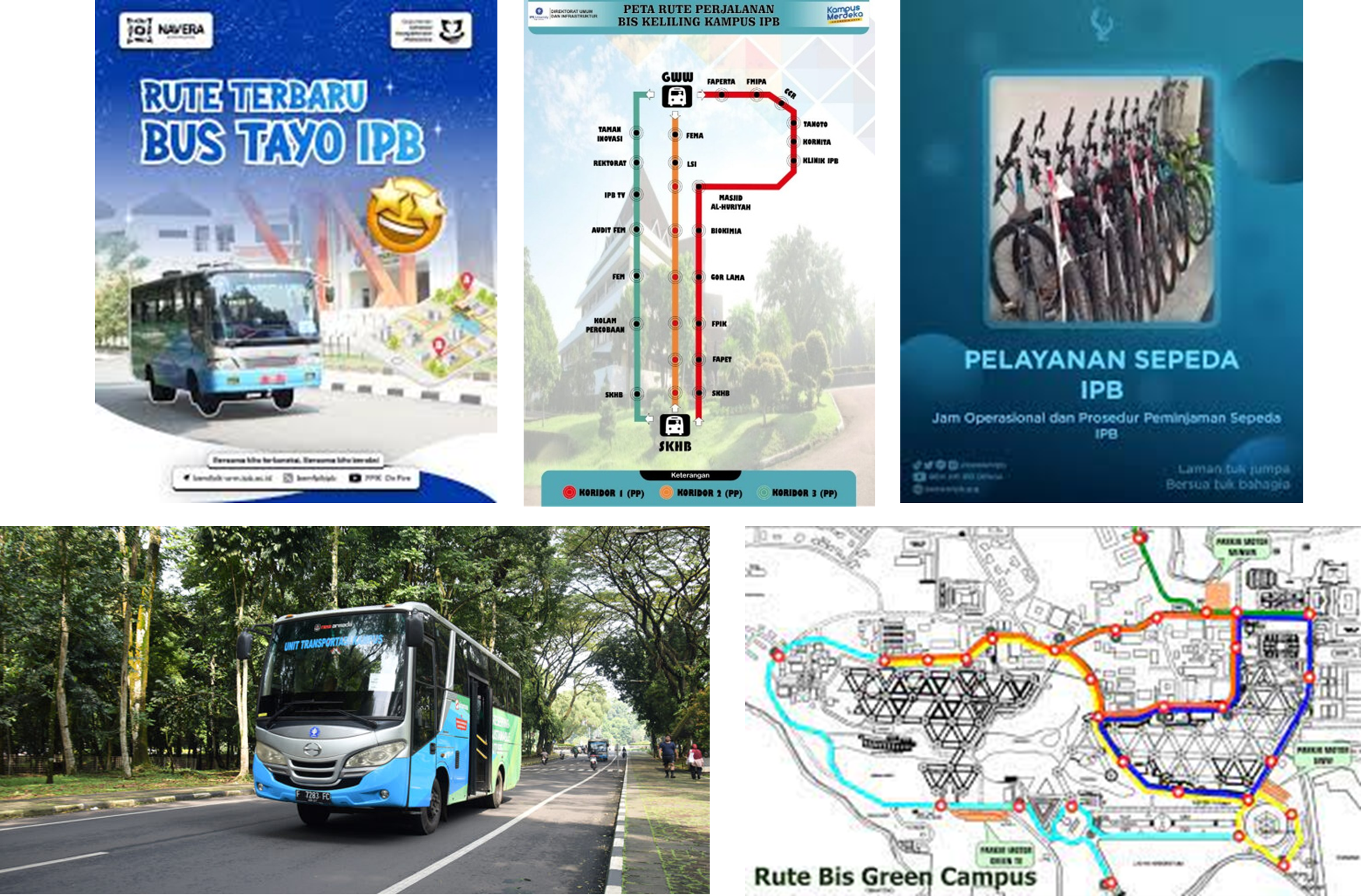
To support student mobility, IPB University provides free in-campus transportation with 11 shuttle buses operating Monday to Friday in two shifts (06.00–14.00 and 10.00–18.00), completing around 19 trips per day. In addition, the university runs a Friday cycling program (Healthy Lifestyle) that allows students to borrow bicycles provided by the university. With a fleet of over 700 bicycles, this initiative promotes physical well-being and sustainable mobility while reducing transportation costs for students.
To assist the students especially for those who fall into the bottom 20% of the household income group to successfully complete their studies, there are several programs arranged by IPB. Those programs for example are scholarship and mentoring.
In 2024, IPB University allocated more than IDR 125 billion for scholarships given to 10.600 students, 96.56% of which were given to students from low-income families. The amount of scholarship funding for underprivileg ed students has consistently increased each year, demonstrating IPB’s ongoing commitment to educational equity. Additionally, IPB collaborates with various partners including the central and local governments, alumni networks, private sector, and other organizations to expand its scholarship programs and ensure continued support throughout students’ academic journeys.
| 2022 | 2023 | 2024 | |
| Donors (institution) | 63 | 95 | 100 |
| Awardee | 8.783 | 10.279 | 10.600 |
IPB University facilitates access to a wide range of scholarships specifically designed to eliminate financial barriers to higher education. These include major government programs such as KIP Kuliah (for underprivileged families) and Beasiswa ADik (Higher Education Affirmation Scholarship), which supports students from frontier, outermost, and disadvantaged (3T) regions as well as other vulnerable groups. Additionally, the Beasiswa Unggulan provides merit-based opportunities with an affirmative pathway.
Furthermore, IPB connects financially disadvantaged students with strategic, need-based partnership schemes, including those focused on economic hardship (e.g., Korindo Foundation, Hadji Kalla Foundation, and PLN Baitul Maal Foundation) and those that combine merit and need considerations (e.g., Bakti BCA, Bank Indonesia, Karya Salemba Empat (KSE), Tanoto Foundation, and Paragon Scholarship).
Beyond financial assistance, IPB actively fosters academic success and career readiness through essential non-financial support programs. These include a dedicated mentoring initiative by the Directorate of Student Affairs, specifically tailored for ADik and KIP-K recipients. Conducted by trained peer mentors, the program provides continuous academic guidance and psychosocial support to help students navigate academic, financial, and personal challenges.
Moreover, IPB delivers targeted soft skills training to strengthen non-technical competencies such as leadership and communication, enhancing students’ employability upon graduation. Taken together, these integrated financial and non-financial initiatives highlight IPB University’s strong commitment to ensuring equal opportunity and supporting the holistic success of students from underprivileged backgrounds.
IPB University has established several schemes to support students from low and lower-middle income countries through full and partial scholarship programs. IPB hosts 948 international students, of which approximately 62.34% come from low and lower-middle income countries such as Timor Leste, Myanmar, and Kenya.
These students benefit from various scholarship programs, including those funded by Developing Country Partnership (KNB), GIZ, SEARCA, TIAS (The Indonesian AID Scholarship), UNDP, Tanzania Government, EPMM DAAD, and other international collaborations. In 2024, IPB also introduced the Rector Scholarship, designed for prospective international students enrolling in undergraduate and graduate degree programs as well as non-degree (exchange) programs.
| Source of scholarship | Awardee |
| EMPM DAAD | 3 |
| GIZ | 1 |
| Indofood-Kenya | 1 |
| KNB | 31 |
| Tanzania Government | 4 |
| TIAS | 4 |
| UNDP | 6 |
| Vegetable Oil Project | 2 |
| Rector Scholarship | 1 |
Community Anti-Poverty Programs
IPB University demonstrates a strong commitment to supporting community development and the establishment of financially and socially sustainable businesses through education, mentorship, and access to university resources. The university actively facilitates incubation, capacity building, and collaboration between academia, industry, and local communities.
IPB Tenant Incubation Program
Through the IPB Tenant Incubation Program, the university provides mentoring and funding schemes for start-ups in tropical agriculture, biosciences, and maritime sectors. In 2024, 38 start-ups were selected, with 25 receiving coaching in leadership, business management, and innovation development. The Science and Techno Park (STP) also provides free access to state-of-the-art agricultural science and engineering facilities to support Indonesian SMEs, spin-outs, and start-ups, reducing entry barriers to research-based business development.
Kedaireka Matching Fund Program
Kedaireka Matching Fund Program connects universities and industry partners to co-fund and commercialize market-oriented innovations. In 2024, 20 IPB proposals received a total of IDR 24 billion in funding, ensuring transparent and accountable program implementation. Complementing these efforts, the SEAFAST Center IPB, in collaboration with the Ministry of Cooperatives and SMEs, supports the expansion of micro, small, and medium enterprises (MSMEs) through workshops and consultancy. Additionally, the Workshop on Product Legality Management provides entrepreneurs with legal and regulatory guidance to improve compliance and competitiveness in the global market.
Saba Desa Program
Saba Desa Program empowers rural communities surrounding the IPB campus through technology-based training, local product development, and entrepreneurship support. Conducted in collaboration with village governments and local SMEs in seven villages, the program designs activities based on each village’s specific potential and ensures sustainability through continuous monitoring and evaluation.
In-House Training on Sensory Evaluation
IPB University continuously enhances access to business-related skills through targeted training and capacity-building programs. For instance, the SEAFAST Center IPB conducted an In-House Training on Sensory Evaluation in February 2024, attended by 14 participants, to strengthen technical competencies and product quality testing skills. Similarly, the Bootcamp Startup 2024, organized by LKST IPB, provided managerial and business innovation training for nine selected start-ups, enabling participants to access funding opportunities and expand market readiness.
Public Speaking Training for MSMEs
A Public Speaking Training for MSMEs, held in August 2024, aimed to strengthen communication and presentation skills among entrepreneurs, helping them effectively promote their products and establish professional collaborations.

IPB University, through the Institute of Science and Technology Area (LKST), provides financial assistance to support the establishment of financially and socially sustainable start-ups in local communities. The university implements the Start-Up Incentive Program, which offers seed grants and business development support for early-stage start-ups under the mentoring and incubation program managed by the Division of Business Incubator and Industrial Partnership at LKST. These grants act as catalytic funding to help start-ups develop prototypes, conduct market validation, and enhance operational capacity under the mentoring of the Division of Business Incubator and Industrial Partnership at LKST. Several beneficiaries include community-based entrepreneurs and local MSMEs engaged in agri-food innovation, ensuring that the program’s benefits extend beyond the university’s internal ecosystem.
| No |
Enterprise Name |
Business Sector |
|
| 1 | Dewi Hanesa | Pangan | |
| 2 | Planteria.id | Pertanian | |
| 3 | Dapur pala | Pangan | |
| 4 | Anugrah Mahkota Bumi | Pangan | |
| 5 | Dapur Ibu Bogor | Pangan | |
| 6 | Pempek 94 | Pangan | |
| 7 | Amanta Segar | Pangan | |
| 8 | WAIN Health Internasional | Pangan | |
| 9 | Bitanic Agrinesia Sejahtera | Pertanian | |
| 10 | Penta Agrochem Mulia | Pertanian | |
| 11 | Sanfood Brilian Indonesia | Pangan | |
| 12 | Tahu Bakso Center/Tahu Bakso Nona Ting-Ting | Pangan | |
| 13 | Hanasta Tiyasa | Pangan | |
| 14 | Hirangrang, PT Esa Agrihulu Lestari | Pertanian | |
| 15 | OKE Garden | Pertanian | |
| 16 | Dishakalis | Pangan | |
| 17 | Mina Akuatik Nusantara (Minaqu) | Pertanian | |
| 18 | Rumah Kedelai Pak Mien Soya Ayu | Pangan | |
| 19 | Bens Farm | Pangan | |
| 20 | STAAR CRAB Indonesia | Pertanian | |
| 21 | PawonTombo FnB | Pangan | |
| 22 | Koperasi Agri Purwa Madani | Pertanian | |
| 23 | Biomagg | Pertanian | |
| 24 | Fishsnack | Pangan | |
| 25 | SUGENG JAYA GRUP | Pertanian | |
| 26 | PT Pupuk Mega Perkasa | Pertanian | |
| 27 | Pelita Desa Export | Pertanian | |
| 28 | Bitanic Indonesia | Pertanian | |
| 29 | SpreadShip | Pertanian | |
| 30 | Indo Tropical Transhippers | Pertanian | |
| 31 | Gudang Rempah Indonesia | Pangan | |
| 32 | Kemenady Coffee | Pangan |
In 2024, IPB University also participated in the Kedaireka Matching Fund Program, a national collaborative initiative between universities and industry partners to accelerate innovation commercialization through a co-funding mechanism. Through this program, 20 proposals from IPB received combined funding of IDR 24 billion to support research downstreaming and the development of market-oriented innovations. The selected innovators were provided with training and guidance on financial systems, procurement, auditing, and reporting to ensure transparent and accountable project implementation.
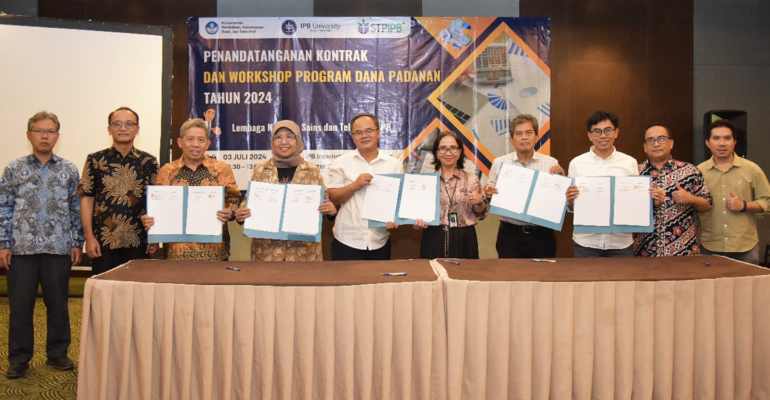
Furthermore, the university’s Waqf and Social Fund Unit (Unit Wakaf dan Dana Sosial IPB) expands the university’s financial empowerment efforts through sustainable Islamic finance mechanisms. In collaboration with Bank Syariah Indonesia (BSI), IPB launched the Deposito Wakaf Seri 1 – Alumni IPB, which successfully raised IDR 20.09 billion in 2024 to support educational and social development programs benefiting 165 underprivileged students.
IPB University organizes various training and community-based programs that improve access to essential services, including healthcare, clean water, and occupational safety, particularly for vulnerable groups and rural communities.
Ensuring Safer Working Conditions for Fishermen
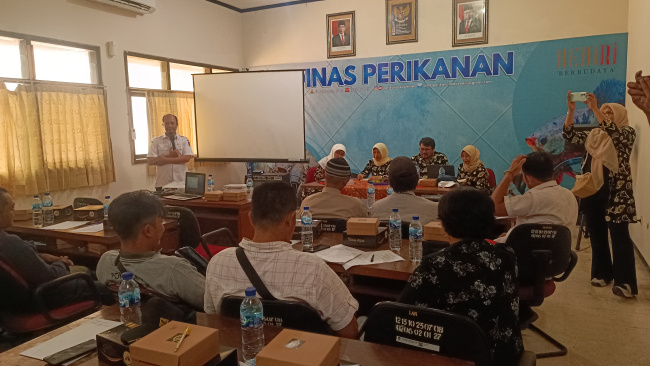
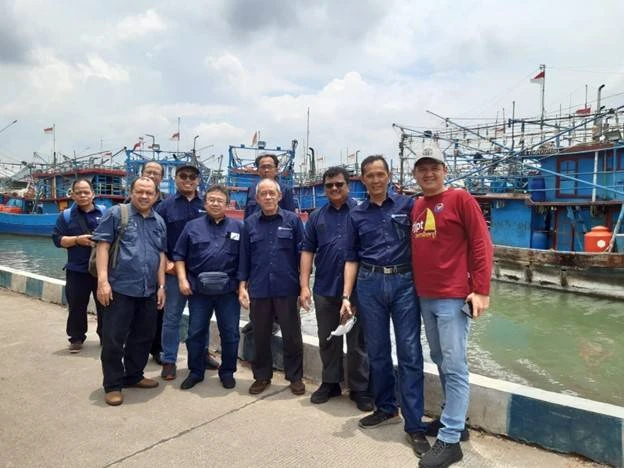
Faculty members from the Faculty of Fisheries and Marine Sciences provided Basic Safety Training for fishermen to enhance occupational safety at sea. The training covered emergency response, health and safety procedures, and risk mitigation, focusing on coastal communities with limited access to formal education. By equipping fishermen with essential safety knowledge, this program reduces occupational risks and supports the well-being of economically vulnerable workers.
Supporting Small-scale Fish Farmers
Lecturers from IPB University also conducted practical training sessions on fish health management for local catfish farmers. This initiative addressed disease management in aquaculture and provided strategies to prevent fish mortality. The program enhances technical capacity, ensures more stable income for small-scale farmers, and reduces poverty-related vulnerabilities in rural aquaculture communities.
Improving Access to Health and Basic Campus Services
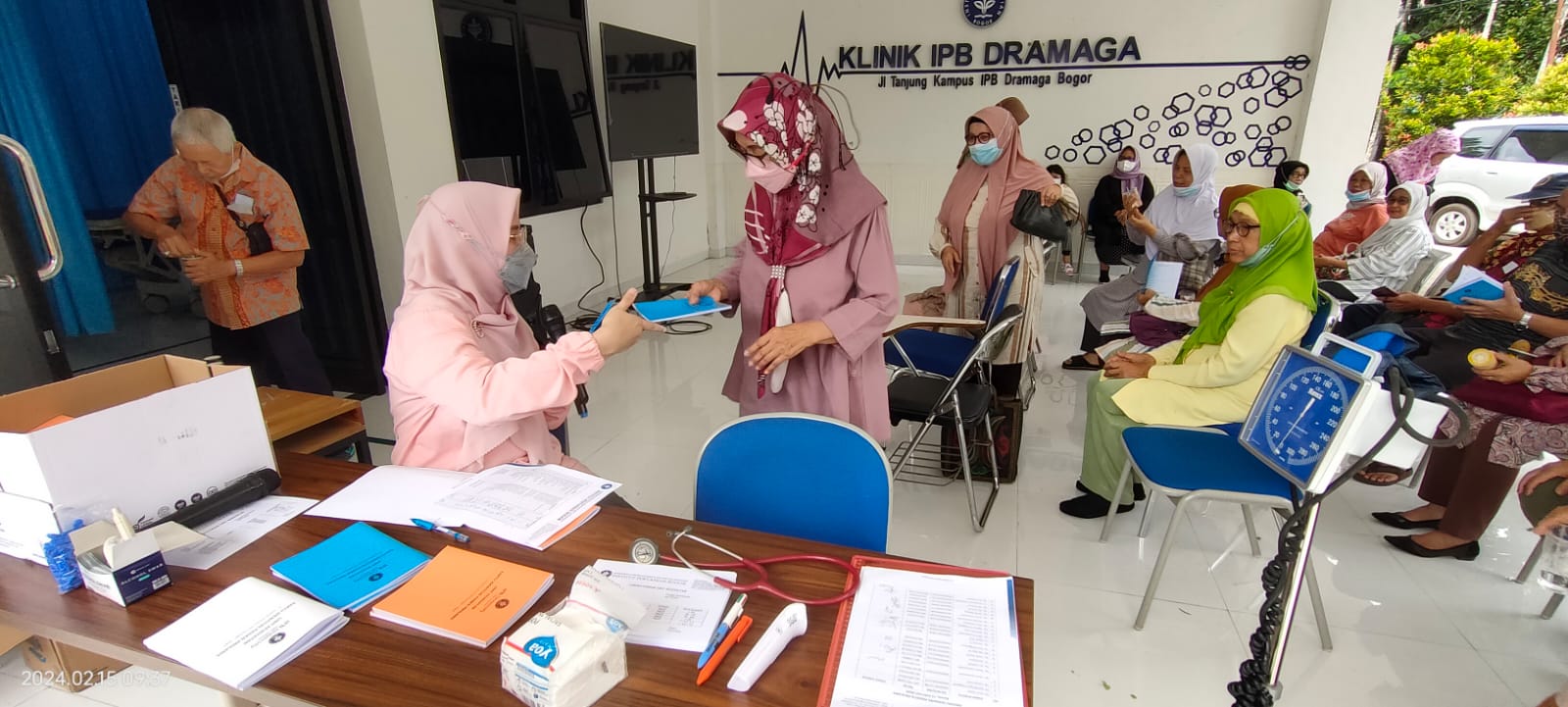
In 2024, the IPB University Polyclinic recorded 54,753 total healthcare visits, including 3,578 preventive visits through POSBINDU, Medical Check-Up (MCU), and Prolanis programs. These programs offer preventive health care, chronic disease management, and free medical check-ups for students and staff. Additionally, 51,175 curative visits were provided through general, dental, laboratory, and telemedicine services—ensuring comprehensive healthcare access for the IPB community.
The IPB Waqf Unit also established a Waqf Drinking Water Station operating 23 refill points across 14 campus zones, ensuring access to clean, affordable drinking water and reducing plastic waste. Meanwhile, the Agrianita IPB Program provides annual medical check-ups and welfare support for retired employees, and the Perumdos Initiative expands access to affordable housing for university staff through partnerships with housing developers.
Through these coordinated initiatives, IPB University demonstrates its strong institutional commitment to improving access to basic services, particularly health, safety, clean water, and housing, both within the university and in surrounding communities.
IPB has participated in policy-making processes at local, regional, national, and/or global levels to implement programs and policies to end poverty in all its dimensions.
Local Level
- Thematic Student Community Service (KKN Tematik)
IPB University deploys hundreds of students annually to remote villages to address local challenges related to environment, agriculture, and development. In 2024, the KKNT Inovasi Program in Desa Mojorejun developed participatory agricultural land-mapping tools to be used by village governments for targeted and data-based development planning. This activity directly supports local decision-making and policy formulation at the village level. - Village Governance School (Sekolah Pemerintahan Desa – SPD)
Conducted in collaboration with the Bogor Regency Government, this program enhances the capacity of village heads and officials in governance, spatial mapping, and social data management. The 2024 batch, attended by 195 participants, aims to foster the establishment of “precision villages” (desa presisi) — an initiative that integrates data-driven planning and transparent policy formulation at the village level, promoting equitable rural development.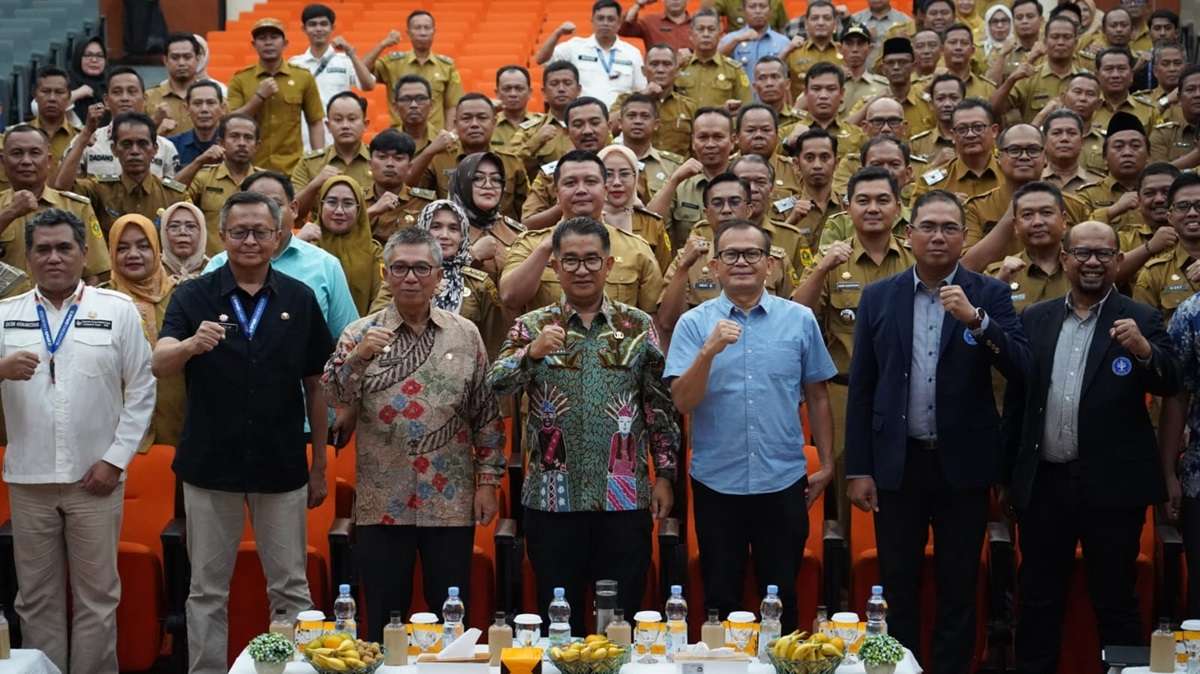
- Lecturers Return Home (Dosen Pulang Kampung)
This flagship program involves lecturers and students in empowering local communities and aligning initiatives with regional policy priorities. In 2024, 328 lecturers and 150 students were deployed to 75 villages across 12 provinces, positively impacting 1,875 community members.
Examples include:
- Desa Cikuruwetan (Pandeglang, Banten): Lecturers worked with local fishers to initiate a self-reliant fishing village, supporting the provincial strategic plan for the South Banten fisheries hub.

- Desa Huta Paung (Humbang Hasundutan, North Sumatra): Teams implemented remote-sensing mapping to aid farmers’ land claims and strengthen local agricultural policy formulation.
- Precise Village Data (Data Desa Presisi – DDP)
As an innovation integrating Participatory Rural Appraisal (PRA) and Drone Participatory Mapping (DPM), this program produces verified data for evidence-based village development. The DDP has reached 773 villages in 35 districts/cities, ensuring that local policies and basic service allocations are accurate, inclusive, and effectively address poverty.
Regional Level
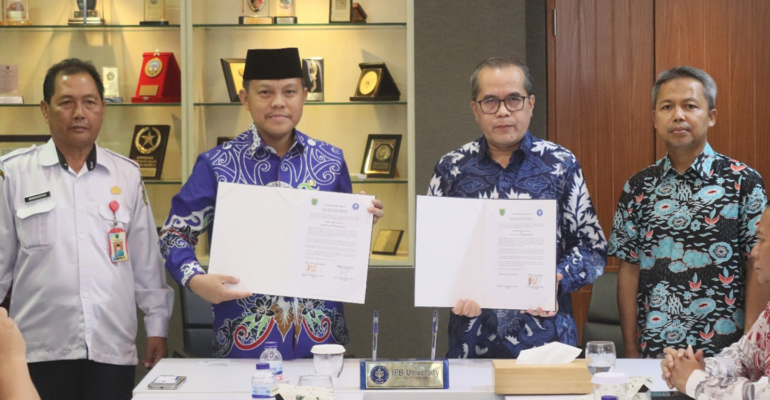
IPB University collaborates with the Government of South Barito Regency through a Memorandum of Understanding covering education, research, community service, and the Regional Delegate Scholarship (Beasiswa Utusan Daerah – BUD).
This partnership functions as a regional policy intervention tool to improve access to higher education for youth in remote areas, aligning with the regency’s strategic plan to alleviate poverty and enhance community welfare.
National Level
At the national level, IPB University acts as a strategic partner of the Indonesian government in the formulation and implementation of food security and poverty reduction policies. The university contributes scientific expertise, technology innovations, and high-yield crop varieties that strengthen national food self-sufficiency, enhance farmer welfare, and reduce rural poverty.
Global Level
IPB University also plays an active role in global development cooperation and policy-relevant collaborations:
- In 2024, IPB University’s delegation established strategic partnerships with institutions in Cambodia focusing on food security, poverty alleviation, and rural area development.
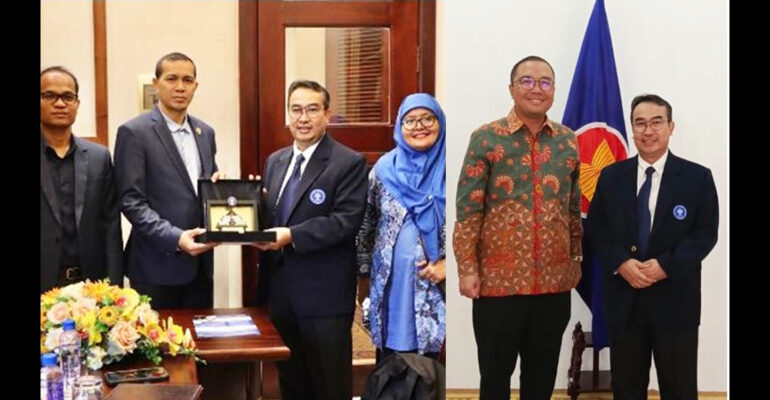
- IPB also signed a Memorandum of Understanding with the Academy of Food Security, Perak State, Malaysia, to strengthen international cooperation in food security — a key global policy agenda.
SDG 1 IN NUMBER
35,683
Number of graduates in most recent year
664
Number of graduates in health professions in most recent year
8.5%
Percentage of graduates from health
Select an image for which you want to see the achievement of the SDG indicators
SDG 1: NO POVERTY 2023
“Over 10% of the world’s population live in extreme poverty, unable to fulfill the most basic needs such as food, health, education, access to clean water and sanitation. Universities need to be able to demonstrate how they are helping to address this problem through their work.” (THE Impact Rankings)
SDG 1 Report
University Anti-Poverty Programs
IPB University has set an institutional target to accept students from the bottom 20% of Indonesian households based on income. Based on the Performance Agreement between the Ministry of Education and the Rector of IPB University, which has been in effect since 2020, the university targets 25% of new students to come from families with an income of less than IDR 5 million per month, which corresponds to the bottom 20% of national household income.
Student Admission by Income Group
This commitment is reinforced in the IPB University Strategic Plan 2024–2028 (page 28), which emphasizes fair and inclusive access, including efforts to expand participation among students from low-income backgrounds and rural households.
In 2024, IPB organized the Indonesian Agriculture Olympiad (OPI), which was participated in by students from 11 provinces. Through this program, IPB provided pathways for the children of farmers to gain admission without having to undergo the standard entrance examination process. Additionally, IPB University also implements an equitable Single Tuition Fee (UKT) scheme, taking into account students’ socioeconomic backgrounds. Several students from very low-income families are exempted from paying the fees.
In 2024, a of the 7,813 graduates (58 percent) come from low-income families (or earn less than 4 million Rupiah per month). This has increased from last year when it was only 55 percent (2,787 of 5,068 graduates), and surpasses the target percentage of Bottom Financial Quintile Students accepted by IPB.
| Student Family’s Income | 2022 | 2023 | 2024 | |||
| n | % | n | % | n | % | |
| Low Income | 3,182 | 43 | 2,787 | 55 | 4,559 | 58 |
| Middle high income | 4,219 | 57 | 2,281 | 45 | 3,254 | 42 |
| Total | 7,400 | 100 | 5,068 | 100 | 7,813 | 100 |
In addition to the graduate target, IPB also aims for 80 percent of its graduates to be working directly within one year of graduation. This target is to improve the quality of learning and the relevance of higher education, as stated in the contract of performance between the Ministry of Education and the Rector of IPB University.
IPB University is committed to providing inclusive support for all students, with particular attention to those from low-income families. To help ensure student well-being and academic focus, the university offers a range of innovative support services, including access to nutritious meals, housing, and complimentary transportation. These initiatives aim to create a more comfortable and enabling learning environment. The support provided is the result of strong collaboration with various stakeholders, including the central and local governments, alumni, state-owned enterprises, private sector partners, and other contributors.
Food Support
The university provides support through Warung Kita, a canteen initiative supported by IPB alumni that offers subsidized nutritious meals for students in need. This program operates daily and helps students maintain adequate nutrition at an affordable cost. Additionally, IPB University provides support through the Milk and Fruit Assistance Program, coordinated by the Directorate of Student Affairs. This program supplies free milk and fruits to active students on a regular basis as part of the university’s welfare policy. In 2024, a total of 22.154 food packages were distributed to support students’ health and well-being.
Housing and Dormitory
IPB University provides affordable housing options for students. The dormitory experience allows students to live and learn alongside peers from diverse regions of Indonesia and around the world. Throughout the year, students can participate in various sports, cultural, and social events, creating lasting memories and friendships during their time at university.
Transportation Support
To support student mobility, IPB University provides free in-campus transportation with 11 shuttle buses operating Monday to Friday in two shifts (06.00–14.00 and 10.00–18.00), completing around 19 trips per day. In addition, the university runs a Friday cycling program (Healthy Lifestyle) that allows students to borrow bicycles provided by the university. With a fleet of over 700 bicycles, this initiative promotes physical well-being and sustainable mobility while reducing transportation costs for students.
To assist the students especially for those who fall into the bottom 20% of the household income group to successfully complete their studies, there are several programs arranged by IPB. Those programs for example are scholarship and mentoring.
In 2024, IPB University allocated more than IDR 125 billion for scholarships given to 10.600 students, 96.56% of which were given to students from low-income families. The amount of scholarship funding for underprivileg ed students has consistently increased each year, demonstrating IPB’s ongoing commitment to educational equity. Additionally, IPB collaborates with various partners including the central and local governments, alumni networks, private sector, and other organizations to expand its scholarship programs and ensure continued support throughout students’ academic journeys.
| 2022 | 2023 | 2024 | |
| Donors (institution) | 63 | 95 | 100 |
| Awardee | 8.783 | 10.279 | 10.600 |
IPB University facilitates access to a wide range of scholarships specifically designed to eliminate financial barriers to higher education. These include major government programs such as KIP Kuliah (for underprivileged families) and Beasiswa ADik (Higher Education Affirmation Scholarship), which supports students from frontier, outermost, and disadvantaged (3T) regions as well as other vulnerable groups. Additionally, the Beasiswa Unggulan provides merit-based opportunities with an affirmative pathway.
Furthermore, IPB connects financially disadvantaged students with strategic, need-based partnership schemes, including those focused on economic hardship (e.g., Korindo Foundation, Hadji Kalla Foundation, and PLN Baitul Maal Foundation) and those that combine merit and need considerations (e.g., Bakti BCA, Bank Indonesia, Karya Salemba Empat (KSE), Tanoto Foundation, and Paragon Scholarship).
Beyond financial assistance, IPB actively fosters academic success and career readiness through essential non-financial support programs. These include a dedicated mentoring initiative by the Directorate of Student Affairs, specifically tailored for ADik and KIP-K recipients. Conducted by trained peer mentors, the program provides continuous academic guidance and psychosocial support to help students navigate academic, financial, and personal challenges.
Moreover, IPB delivers targeted soft skills training to strengthen non-technical competencies such as leadership and communication, enhancing students’ employability upon graduation. Taken together, these integrated financial and non-financial initiatives highlight IPB University’s strong commitment to ensuring equal opportunity and supporting the holistic success of students from underprivileged backgrounds.
IPB University has established several schemes to support students from low and lower-middle income countries through full and partial scholarship programs. IPB hosts 948 international students, of which approximately 62.34% come from low and lower-middle income countries such as Timor Leste, Myanmar, and Kenya.
These students benefit from various scholarship programs, including those funded by Developing Country Partnership (KNB), GIZ, SEARCA, TIAS (The Indonesian AID Scholarship), UNDP, Tanzania Government, EPMM DAAD, and other international collaborations. In 2024, IPB also introduced the Rector Scholarship, designed for prospective international students enrolling in undergraduate and graduate degree programs as well as non-degree (exchange) programs.
| Source of scholarship | Awardee |
| EMPM DAAD | 3 |
| GIZ | 1 |
| Indofood-Kenya | 1 |
| KNB | 31 |
| Tanzania Government | 4 |
| TIAS | 4 |
| UNDP | 6 |
| Vegetable Oil Project | 2 |
| Rector Scholarship | 1 |
Community Anti-Poverty Programs
IPB University demonstrates a strong commitment to supporting community development and the establishment of financially and socially sustainable businesses through education, mentorship, and access to university resources. The university actively facilitates incubation, capacity building, and collaboration between academia, industry, and local communities.
IPB Tenant Incubation Program
Through the IPB Tenant Incubation Program, the university provides mentoring and funding schemes for start-ups in tropical agriculture, biosciences, and maritime sectors. In 2024, 38 start-ups were selected, with 25 receiving coaching in leadership, business management, and innovation development. The Science and Techno Park (STP) also provides free access to state-of-the-art agricultural science and engineering facilities to support Indonesian SMEs, spin-outs, and start-ups, reducing entry barriers to research-based business development.
Kedaireka Matching Fund Program
Kedaireka Matching Fund Program connects universities and industry partners to co-fund and commercialize market-oriented innovations. In 2024, 20 IPB proposals received a total of IDR 24 billion in funding, ensuring transparent and accountable program implementation. Complementing these efforts, the SEAFAST Center IPB, in collaboration with the Ministry of Cooperatives and SMEs, supports the expansion of micro, small, and medium enterprises (MSMEs) through workshops and consultancy. Additionally, the Workshop on Product Legality Management provides entrepreneurs with legal and regulatory guidance to improve compliance and competitiveness in the global market.
Saba Desa Program
Saba Desa Program empowers rural communities surrounding the IPB campus through technology-based training, local product development, and entrepreneurship support. Conducted in collaboration with village governments and local SMEs in seven villages, the program designs activities based on each village’s specific potential and ensures sustainability through continuous monitoring and evaluation.
In-House Training on Sensory Evaluation
IPB University continuously enhances access to business-related skills through targeted training and capacity-building programs. For instance, the SEAFAST Center IPB conducted an In-House Training on Sensory Evaluation in February 2024, attended by 14 participants, to strengthen technical competencies and product quality testing skills. Similarly, the Bootcamp Startup 2024, organized by LKST IPB, provided managerial and business innovation training for nine selected start-ups, enabling participants to access funding opportunities and expand market readiness.
Public Speaking Training for MSMEs
A Public Speaking Training for MSMEs, held in August 2024, aimed to strengthen communication and presentation skills among entrepreneurs, helping them effectively promote their products and establish professional collaborations.
IPB University, through the Institute of Science and Technology Area (LKST), provides financial assistance to support the establishment of financially and socially sustainable start-ups in local communities. The university implements the Start-Up Incentive Program, which offers seed grants and business development support for early-stage start-ups under the mentoring and incubation program managed by the Division of Business Incubator and Industrial Partnership at LKST. These grants act as catalytic funding to help start-ups develop prototypes, conduct market validation, and enhance operational capacity under the mentoring of the Division of Business Incubator and Industrial Partnership at LKST. Several beneficiaries include community-based entrepreneurs and local MSMEs engaged in agri-food innovation, ensuring that the program’s benefits extend beyond the university’s internal ecosystem.
| No |
Enterprise Name |
Business Sector |
|
| 1 | Dewi Hanesa | Pangan | |
| 2 | Planteria.id | Pertanian | |
| 3 | Dapur pala | Pangan | |
| 4 | Anugrah Mahkota Bumi | Pangan | |
| 5 | Dapur Ibu Bogor | Pangan | |
| 6 | Pempek 94 | Pangan | |
| 7 | Amanta Segar | Pangan | |
| 8 | WAIN Health Internasional | Pangan | |
| 9 | Bitanic Agrinesia Sejahtera | Pertanian | |
| 10 | Penta Agrochem Mulia | Pertanian | |
| 11 | Sanfood Brilian Indonesia | Pangan | |
| 12 | Tahu Bakso Center/Tahu Bakso Nona Ting-Ting | Pangan | |
| 13 | Hanasta Tiyasa | Pangan | |
| 14 | Hirangrang, PT Esa Agrihulu Lestari | Pertanian | |
| 15 | OKE Garden | Pertanian | |
| 16 | Dishakalis | Pangan | |
| 17 | Mina Akuatik Nusantara (Minaqu) | Pertanian | |
| 18 | Rumah Kedelai Pak Mien Soya Ayu | Pangan | |
| 19 | Bens Farm | Pangan | |
| 20 | STAAR CRAB Indonesia | Pertanian | |
| 21 | PawonTombo FnB | Pangan | |
| 22 | Koperasi Agri Purwa Madani | Pertanian | |
| 23 | Biomagg | Pertanian | |
| 24 | Fishsnack | Pangan | |
| 25 | SUGENG JAYA GRUP | Pertanian | |
| 26 | PT Pupuk Mega Perkasa | Pertanian | |
| 27 | Pelita Desa Export | Pertanian | |
| 28 | Bitanic Indonesia | Pertanian | |
| 29 | SpreadShip | Pertanian | |
| 30 | Indo Tropical Transhippers | Pertanian | |
| 31 | Gudang Rempah Indonesia | Pangan | |
| 32 | Kemenady Coffee | Pangan |
In 2024, IPB University also participated in the Kedaireka Matching Fund Program, a national collaborative initiative between universities and industry partners to accelerate innovation commercialization through a co-funding mechanism. Through this program, 20 proposals from IPB received combined funding of IDR 24 billion to support research downstreaming and the development of market-oriented innovations. The selected innovators were provided with training and guidance on financial systems, procurement, auditing, and reporting to ensure transparent and accountable project implementation.
Furthermore, the university’s Waqf and Social Fund Unit (Unit Wakaf dan Dana Sosial IPB) expands the university’s financial empowerment efforts through sustainable Islamic finance mechanisms. In collaboration with Bank Syariah Indonesia (BSI), IPB launched the Deposito Wakaf Seri 1 – Alumni IPB, which successfully raised IDR 20.09 billion in 2024 to support educational and social development programs benefiting 165 underprivileged students.
IPB University organizes various training and community-based programs that improve access to essential services, including healthcare, clean water, and occupational safety, particularly for vulnerable groups and rural communities.
Ensuring Safer Working Conditions for Fishermen
Faculty members from the Faculty of Fisheries and Marine Sciences provided Basic Safety Training for fishermen to enhance occupational safety at sea. The training covered emergency response, health and safety procedures, and risk mitigation, focusing on coastal communities with limited access to formal education. By equipping fishermen with essential safety knowledge, this program reduces occupational risks and supports the well-being of economically vulnerable workers.
Supporting Small-scale Fish Farmers
Lecturers from IPB University also conducted practical training sessions on fish health management for local catfish farmers. This initiative addressed disease management in aquaculture and provided strategies to prevent fish mortality. The program enhances technical capacity, ensures more stable income for small-scale farmers, and reduces poverty-related vulnerabilities in rural aquaculture communities.
Improving Access to Health and Basic Campus Services
In 2024, the IPB University Polyclinic recorded 54,753 total healthcare visits, including 3,578 preventive visits through POSBINDU, Medical Check-Up (MCU), and Prolanis programs. These programs offer preventive health care, chronic disease management, and free medical check-ups for students and staff. Additionally, 51,175 curative visits were provided through general, dental, laboratory, and telemedicine services—ensuring comprehensive healthcare access for the IPB community.
The IPB Waqf Unit also established a Waqf Drinking Water Station operating 23 refill points across 14 campus zones, ensuring access to clean, affordable drinking water and reducing plastic waste. Meanwhile, the Agrianita IPB Program provides annual medical check-ups and welfare support for retired employees, and the Perumdos Initiative expands access to affordable housing for university staff through partnerships with housing developers.
Through these coordinated initiatives, IPB University demonstrates its strong institutional commitment to improving access to basic services, particularly health, safety, clean water, and housing, both within the university and in surrounding communities.
IPB has participated in policy-making processes at local, regional, national, and/or global levels to implement programs and policies to end poverty in all its dimensions.
Local Level
- Thematic Student Community Service (KKN Tematik)
IPB University deploys hundreds of students annually to remote villages to address local challenges related to environment, agriculture, and development. In 2024, the KKNT Inovasi Program in Desa Mojorejun developed participatory agricultural land-mapping tools to be used by village governments for targeted and data-based development planning. This activity directly supports local decision-making and policy formulation at the village level. - Village Governance School (Sekolah Pemerintahan Desa – SPD)
Conducted in collaboration with the Bogor Regency Government, this program enhances the capacity of village heads and officials in governance, spatial mapping, and social data management. The 2024 batch, attended by 195 participants, aims to foster the establishment of “precision villages” (desa presisi) — an initiative that integrates data-driven planning and transparent policy formulation at the village level, promoting equitable rural development. - Lecturers Return Home (Dosen Pulang Kampung)
This flagship program involves lecturers and students in empowering local communities and aligning initiatives with regional policy priorities. In 2024, 328 lecturers and 150 students were deployed to 75 villages across 12 provinces, positively impacting 1,875 community members.
Examples include:
- Desa Cikuruwetan (Pandeglang, Banten): Lecturers worked with local fishers to initiate a self-reliant fishing village, supporting the provincial strategic plan for the South Banten fisheries hub.
- Desa Huta Paung (Humbang Hasundutan, North Sumatra): Teams implemented remote-sensing mapping to aid farmers’ land claims and strengthen local agricultural policy formulation.
- Precise Village Data (Data Desa Presisi – DDP)
As an innovation integrating Participatory Rural Appraisal (PRA) and Drone Participatory Mapping (DPM), this program produces verified data for evidence-based village development. The DDP has reached 773 villages in 35 districts/cities, ensuring that local policies and basic service allocations are accurate, inclusive, and effectively address poverty.
Regional Level
IPB University collaborates with the Government of South Barito Regency through a Memorandum of Understanding covering education, research, community service, and the Regional Delegate Scholarship (Beasiswa Utusan Daerah – BUD).
This partnership functions as a regional policy intervention tool to improve access to higher education for youth in remote areas, aligning with the regency’s strategic plan to alleviate poverty and enhance community welfare.
National Level
At the national level, IPB University acts as a strategic partner of the Indonesian government in the formulation and implementation of food security and poverty reduction policies. The university contributes scientific expertise, technology innovations, and high-yield crop varieties that strengthen national food self-sufficiency, enhance farmer welfare, and reduce rural poverty.
Global Level
IPB University also plays an active role in global development cooperation and policy-relevant collaborations:
- In 2024, IPB University’s delegation established strategic partnerships with institutions in Cambodia focusing on food security, poverty alleviation, and rural area development.
- IPB also signed a Memorandum of Understanding with the Academy of Food Security, Perak State, Malaysia, to strengthen international cooperation in food security — a key global policy agenda.
SDG 1 IN NUMBER
35,683
Number of graduates in most recent year
664
Number of graduates in health professions in most recent year
8.5%
Percentage of graduates from health
Select an image for which you want to see the achievement of the SDG indicators
SDG 1: NO POVERTY 2022
“Over 10% of the world’s population live in extreme poverty, unable to fulfill the most basic needs such as food, health, education, access to clean water and sanitation. Universities need to be able to demonstrate how they are helping to address this problem through their work.” (THE Impact Rankings)
SDG 1 Report
University Anti-Poverty Programs
IPB University has set an institutional target to accept students from the bottom 20% of Indonesian households based on income. Based on the Performance Agreement between the Ministry of Education and the Rector of IPB University, which has been in effect since 2020, the university targets 25% of new students to come from families with an income of less than IDR 5 million per month, which corresponds to the bottom 20% of national household income.
Student Admission by Income Group
This commitment is reinforced in the IPB University Strategic Plan 2024–2028 (page 28), which emphasizes fair and inclusive access, including efforts to expand participation among students from low-income backgrounds and rural households.
In 2024, IPB organized the Indonesian Agriculture Olympiad (OPI), which was participated in by students from 11 provinces. Through this program, IPB provided pathways for the children of farmers to gain admission without having to undergo the standard entrance examination process. Additionally, IPB University also implements an equitable Single Tuition Fee (UKT) scheme, taking into account students’ socioeconomic backgrounds. Several students from very low-income families are exempted from paying the fees.
In 2024, a of the 7,813 graduates (58 percent) come from low-income families (or earn less than 4 million Rupiah per month). This has increased from last year when it was only 55 percent (2,787 of 5,068 graduates), and surpasses the target percentage of Bottom Financial Quintile Students accepted by IPB.
| Student Family’s Income | 2022 | 2023 | 2024 | |||
| n | % | n | % | n | % | |
| Low Income | 3,182 | 43 | 2,787 | 55 | 4,559 | 58 |
| Middle high income | 4,219 | 57 | 2,281 | 45 | 3,254 | 42 |
| Total | 7,400 | 100 | 5,068 | 100 | 7,813 | 100 |
In addition to the graduate target, IPB also aims for 80 percent of its graduates to be working directly within one year of graduation. This target is to improve the quality of learning and the relevance of higher education, as stated in the contract of performance between the Ministry of Education and the Rector of IPB University.
IPB University is committed to providing inclusive support for all students, with particular attention to those from low-income families. To help ensure student well-being and academic focus, the university offers a range of innovative support services, including access to nutritious meals, housing, and complimentary transportation. These initiatives aim to create a more comfortable and enabling learning environment. The support provided is the result of strong collaboration with various stakeholders, including the central and local governments, alumni, state-owned enterprises, private sector partners, and other contributors.
Food Support
The university provides support through Warung Kita, a canteen initiative supported by IPB alumni that offers subsidized nutritious meals for students in need. This program operates daily and helps students maintain adequate nutrition at an affordable cost. Additionally, IPB University provides support through the Milk and Fruit Assistance Program, coordinated by the Directorate of Student Affairs. This program supplies free milk and fruits to active students on a regular basis as part of the university’s welfare policy. In 2024, a total of 22.154 food packages were distributed to support students’ health and well-being.
Housing and Dormitory
IPB University provides affordable housing options for students. The dormitory experience allows students to live and learn alongside peers from diverse regions of Indonesia and around the world. Throughout the year, students can participate in various sports, cultural, and social events, creating lasting memories and friendships during their time at university.
Transportation Support
To support student mobility, IPB University provides free in-campus transportation with 11 shuttle buses operating Monday to Friday in two shifts (06.00–14.00 and 10.00–18.00), completing around 19 trips per day. In addition, the university runs a Friday cycling program (Healthy Lifestyle) that allows students to borrow bicycles provided by the university. With a fleet of over 700 bicycles, this initiative promotes physical well-being and sustainable mobility while reducing transportation costs for students.
To assist the students especially for those who fall into the bottom 20% of the household income group to successfully complete their studies, there are several programs arranged by IPB. Those programs for example are scholarship and mentoring.
In 2024, IPB University allocated more than IDR 125 billion for scholarships given to 10.600 students, 96.56% of which were given to students from low-income families. The amount of scholarship funding for underprivileg ed students has consistently increased each year, demonstrating IPB’s ongoing commitment to educational equity. Additionally, IPB collaborates with various partners including the central and local governments, alumni networks, private sector, and other organizations to expand its scholarship programs and ensure continued support throughout students’ academic journeys.
| 2022 | 2023 | 2024 | |
| Donors (institution) | 63 | 95 | 100 |
| Awardee | 8.783 | 10.279 | 10.600 |
IPB University facilitates access to a wide range of scholarships specifically designed to eliminate financial barriers to higher education. These include major government programs such as KIP Kuliah (for underprivileged families) and Beasiswa ADik (Higher Education Affirmation Scholarship), which supports students from frontier, outermost, and disadvantaged (3T) regions as well as other vulnerable groups. Additionally, the Beasiswa Unggulan provides merit-based opportunities with an affirmative pathway.
Furthermore, IPB connects financially disadvantaged students with strategic, need-based partnership schemes, including those focused on economic hardship (e.g., Korindo Foundation, Hadji Kalla Foundation, and PLN Baitul Maal Foundation) and those that combine merit and need considerations (e.g., Bakti BCA, Bank Indonesia, Karya Salemba Empat (KSE), Tanoto Foundation, and Paragon Scholarship).
Beyond financial assistance, IPB actively fosters academic success and career readiness through essential non-financial support programs. These include a dedicated mentoring initiative by the Directorate of Student Affairs, specifically tailored for ADik and KIP-K recipients. Conducted by trained peer mentors, the program provides continuous academic guidance and psychosocial support to help students navigate academic, financial, and personal challenges.
Moreover, IPB delivers targeted soft skills training to strengthen non-technical competencies such as leadership and communication, enhancing students’ employability upon graduation. Taken together, these integrated financial and non-financial initiatives highlight IPB University’s strong commitment to ensuring equal opportunity and supporting the holistic success of students from underprivileged backgrounds.
IPB University has established several schemes to support students from low and lower-middle income countries through full and partial scholarship programs. IPB hosts 948 international students, of which approximately 62.34% come from low and lower-middle income countries such as Timor Leste, Myanmar, and Kenya.
These students benefit from various scholarship programs, including those funded by Developing Country Partnership (KNB), GIZ, SEARCA, TIAS (The Indonesian AID Scholarship), UNDP, Tanzania Government, EPMM DAAD, and other international collaborations. In 2024, IPB also introduced the Rector Scholarship, designed for prospective international students enrolling in undergraduate and graduate degree programs as well as non-degree (exchange) programs.
| Source of scholarship | Awardee |
| EMPM DAAD | 3 |
| GIZ | 1 |
| Indofood-Kenya | 1 |
| KNB | 31 |
| Tanzania Government | 4 |
| TIAS | 4 |
| UNDP | 6 |
| Vegetable Oil Project | 2 |
| Rector Scholarship | 1 |
Community Anti-Poverty Programs
IPB University demonstrates a strong commitment to supporting community development and the establishment of financially and socially sustainable businesses through education, mentorship, and access to university resources. The university actively facilitates incubation, capacity building, and collaboration between academia, industry, and local communities.
IPB Tenant Incubation Program
Through the IPB Tenant Incubation Program, the university provides mentoring and funding schemes for start-ups in tropical agriculture, biosciences, and maritime sectors. In 2024, 38 start-ups were selected, with 25 receiving coaching in leadership, business management, and innovation development. The Science and Techno Park (STP) also provides free access to state-of-the-art agricultural science and engineering facilities to support Indonesian SMEs, spin-outs, and start-ups, reducing entry barriers to research-based business development.
Kedaireka Matching Fund Program
Kedaireka Matching Fund Program connects universities and industry partners to co-fund and commercialize market-oriented innovations. In 2024, 20 IPB proposals received a total of IDR 24 billion in funding, ensuring transparent and accountable program implementation. Complementing these efforts, the SEAFAST Center IPB, in collaboration with the Ministry of Cooperatives and SMEs, supports the expansion of micro, small, and medium enterprises (MSMEs) through workshops and consultancy. Additionally, the Workshop on Product Legality Management provides entrepreneurs with legal and regulatory guidance to improve compliance and competitiveness in the global market.
Saba Desa Program
Saba Desa Program empowers rural communities surrounding the IPB campus through technology-based training, local product development, and entrepreneurship support. Conducted in collaboration with village governments and local SMEs in seven villages, the program designs activities based on each village’s specific potential and ensures sustainability through continuous monitoring and evaluation.
In-House Training on Sensory Evaluation
IPB University continuously enhances access to business-related skills through targeted training and capacity-building programs. For instance, the SEAFAST Center IPB conducted an In-House Training on Sensory Evaluation in February 2024, attended by 14 participants, to strengthen technical competencies and product quality testing skills. Similarly, the Bootcamp Startup 2024, organized by LKST IPB, provided managerial and business innovation training for nine selected start-ups, enabling participants to access funding opportunities and expand market readiness.
Public Speaking Training for MSMEs
A Public Speaking Training for MSMEs, held in August 2024, aimed to strengthen communication and presentation skills among entrepreneurs, helping them effectively promote their products and establish professional collaborations.
IPB University, through the Institute of Science and Technology Area (LKST), provides financial assistance to support the establishment of financially and socially sustainable start-ups in local communities. The university implements the Start-Up Incentive Program, which offers seed grants and business development support for early-stage start-ups under the mentoring and incubation program managed by the Division of Business Incubator and Industrial Partnership at LKST. These grants act as catalytic funding to help start-ups develop prototypes, conduct market validation, and enhance operational capacity under the mentoring of the Division of Business Incubator and Industrial Partnership at LKST. Several beneficiaries include community-based entrepreneurs and local MSMEs engaged in agri-food innovation, ensuring that the program’s benefits extend beyond the university’s internal ecosystem.
| No |
Enterprise Name |
Business Sector |
|
| 1 | Dewi Hanesa | Pangan | |
| 2 | Planteria.id | Pertanian | |
| 3 | Dapur pala | Pangan | |
| 4 | Anugrah Mahkota Bumi | Pangan | |
| 5 | Dapur Ibu Bogor | Pangan | |
| 6 | Pempek 94 | Pangan | |
| 7 | Amanta Segar | Pangan | |
| 8 | WAIN Health Internasional | Pangan | |
| 9 | Bitanic Agrinesia Sejahtera | Pertanian | |
| 10 | Penta Agrochem Mulia | Pertanian | |
| 11 | Sanfood Brilian Indonesia | Pangan | |
| 12 | Tahu Bakso Center/Tahu Bakso Nona Ting-Ting | Pangan | |
| 13 | Hanasta Tiyasa | Pangan | |
| 14 | Hirangrang, PT Esa Agrihulu Lestari | Pertanian | |
| 15 | OKE Garden | Pertanian | |
| 16 | Dishakalis | Pangan | |
| 17 | Mina Akuatik Nusantara (Minaqu) | Pertanian | |
| 18 | Rumah Kedelai Pak Mien Soya Ayu | Pangan | |
| 19 | Bens Farm | Pangan | |
| 20 | STAAR CRAB Indonesia | Pertanian | |
| 21 | PawonTombo FnB | Pangan | |
| 22 | Koperasi Agri Purwa Madani | Pertanian | |
| 23 | Biomagg | Pertanian | |
| 24 | Fishsnack | Pangan | |
| 25 | SUGENG JAYA GRUP | Pertanian | |
| 26 | PT Pupuk Mega Perkasa | Pertanian | |
| 27 | Pelita Desa Export | Pertanian | |
| 28 | Bitanic Indonesia | Pertanian | |
| 29 | SpreadShip | Pertanian | |
| 30 | Indo Tropical Transhippers | Pertanian | |
| 31 | Gudang Rempah Indonesia | Pangan | |
| 32 | Kemenady Coffee | Pangan |
In 2024, IPB University also participated in the Kedaireka Matching Fund Program, a national collaborative initiative between universities and industry partners to accelerate innovation commercialization through a co-funding mechanism. Through this program, 20 proposals from IPB received combined funding of IDR 24 billion to support research downstreaming and the development of market-oriented innovations. The selected innovators were provided with training and guidance on financial systems, procurement, auditing, and reporting to ensure transparent and accountable project implementation.
Furthermore, the university’s Waqf and Social Fund Unit (Unit Wakaf dan Dana Sosial IPB) expands the university’s financial empowerment efforts through sustainable Islamic finance mechanisms. In collaboration with Bank Syariah Indonesia (BSI), IPB launched the Deposito Wakaf Seri 1 – Alumni IPB, which successfully raised IDR 20.09 billion in 2024 to support educational and social development programs benefiting 165 underprivileged students.
IPB University organizes various training and community-based programs that improve access to essential services, including healthcare, clean water, and occupational safety, particularly for vulnerable groups and rural communities.
Ensuring Safer Working Conditions for Fishermen
Faculty members from the Faculty of Fisheries and Marine Sciences provided Basic Safety Training for fishermen to enhance occupational safety at sea. The training covered emergency response, health and safety procedures, and risk mitigation, focusing on coastal communities with limited access to formal education. By equipping fishermen with essential safety knowledge, this program reduces occupational risks and supports the well-being of economically vulnerable workers.
Supporting Small-scale Fish Farmers
Lecturers from IPB University also conducted practical training sessions on fish health management for local catfish farmers. This initiative addressed disease management in aquaculture and provided strategies to prevent fish mortality. The program enhances technical capacity, ensures more stable income for small-scale farmers, and reduces poverty-related vulnerabilities in rural aquaculture communities.
Improving Access to Health and Basic Campus Services
In 2024, the IPB University Polyclinic recorded 54,753 total healthcare visits, including 3,578 preventive visits through POSBINDU, Medical Check-Up (MCU), and Prolanis programs. These programs offer preventive health care, chronic disease management, and free medical check-ups for students and staff. Additionally, 51,175 curative visits were provided through general, dental, laboratory, and telemedicine services—ensuring comprehensive healthcare access for the IPB community.
The IPB Waqf Unit also established a Waqf Drinking Water Station operating 23 refill points across 14 campus zones, ensuring access to clean, affordable drinking water and reducing plastic waste. Meanwhile, the Agrianita IPB Program provides annual medical check-ups and welfare support for retired employees, and the Perumdos Initiative expands access to affordable housing for university staff through partnerships with housing developers.
Through these coordinated initiatives, IPB University demonstrates its strong institutional commitment to improving access to basic services, particularly health, safety, clean water, and housing, both within the university and in surrounding communities.
IPB has participated in policy-making processes at local, regional, national, and/or global levels to implement programs and policies to end poverty in all its dimensions.
Local Level
- Thematic Student Community Service (KKN Tematik)
IPB University deploys hundreds of students annually to remote villages to address local challenges related to environment, agriculture, and development. In 2024, the KKNT Inovasi Program in Desa Mojorejun developed participatory agricultural land-mapping tools to be used by village governments for targeted and data-based development planning. This activity directly supports local decision-making and policy formulation at the village level. - Village Governance School (Sekolah Pemerintahan Desa – SPD)
Conducted in collaboration with the Bogor Regency Government, this program enhances the capacity of village heads and officials in governance, spatial mapping, and social data management. The 2024 batch, attended by 195 participants, aims to foster the establishment of “precision villages” (desa presisi) — an initiative that integrates data-driven planning and transparent policy formulation at the village level, promoting equitable rural development. - Lecturers Return Home (Dosen Pulang Kampung)
This flagship program involves lecturers and students in empowering local communities and aligning initiatives with regional policy priorities. In 2024, 328 lecturers and 150 students were deployed to 75 villages across 12 provinces, positively impacting 1,875 community members.
Examples include:
- Desa Cikuruwetan (Pandeglang, Banten): Lecturers worked with local fishers to initiate a self-reliant fishing village, supporting the provincial strategic plan for the South Banten fisheries hub.
- Desa Huta Paung (Humbang Hasundutan, North Sumatra): Teams implemented remote-sensing mapping to aid farmers’ land claims and strengthen local agricultural policy formulation.
- Precise Village Data (Data Desa Presisi – DDP)
As an innovation integrating Participatory Rural Appraisal (PRA) and Drone Participatory Mapping (DPM), this program produces verified data for evidence-based village development. The DDP has reached 773 villages in 35 districts/cities, ensuring that local policies and basic service allocations are accurate, inclusive, and effectively address poverty.
Regional Level
IPB University collaborates with the Government of South Barito Regency through a Memorandum of Understanding covering education, research, community service, and the Regional Delegate Scholarship (Beasiswa Utusan Daerah – BUD).
This partnership functions as a regional policy intervention tool to improve access to higher education for youth in remote areas, aligning with the regency’s strategic plan to alleviate poverty and enhance community welfare.
National Level
At the national level, IPB University acts as a strategic partner of the Indonesian government in the formulation and implementation of food security and poverty reduction policies. The university contributes scientific expertise, technology innovations, and high-yield crop varieties that strengthen national food self-sufficiency, enhance farmer welfare, and reduce rural poverty.
Global Level
IPB University also plays an active role in global development cooperation and policy-relevant collaborations:
- In 2024, IPB University’s delegation established strategic partnerships with institutions in Cambodia focusing on food security, poverty alleviation, and rural area development.
- IPB also signed a Memorandum of Understanding with the Academy of Food Security, Perak State, Malaysia, to strengthen international cooperation in food security — a key global policy agenda.
SDG 1 IN NUMBER
35,683
Number of graduates in most recent year
664
Number of graduates in health professions in most recent year
8.5%
Percentage of graduates from health
Select an image for which you want to see the achievement of the SDG indicators
SDG 1: NO POVERTY 2021
“Over 10% of the world’s population live in extreme poverty, unable to fulfill the most basic needs such as food, health, education, access to clean water and sanitation. Universities need to be able to demonstrate how they are helping to address this problem through their work.” (THE Impact Rankings)
SDG 1 Report
University Anti-Poverty Programs
IPB University has set an institutional target to accept students from the bottom 20% of Indonesian households based on income. Based on the Performance Agreement between the Ministry of Education and the Rector of IPB University, which has been in effect since 2020, the university targets 25% of new students to come from families with an income of less than IDR 5 million per month, which corresponds to the bottom 20% of national household income.
Student Admission by Income Group
This commitment is reinforced in the IPB University Strategic Plan 2024–2028 (page 28), which emphasizes fair and inclusive access, including efforts to expand participation among students from low-income backgrounds and rural households.
In 2024, IPB organized the Indonesian Agriculture Olympiad (OPI), which was participated in by students from 11 provinces. Through this program, IPB provided pathways for the children of farmers to gain admission without having to undergo the standard entrance examination process. Additionally, IPB University also implements an equitable Single Tuition Fee (UKT) scheme, taking into account students’ socioeconomic backgrounds. Several students from very low-income families are exempted from paying the fees.
In 2024, a of the 7,813 graduates (58 percent) come from low-income families (or earn less than 4 million Rupiah per month). This has increased from last year when it was only 55 percent (2,787 of 5,068 graduates), and surpasses the target percentage of Bottom Financial Quintile Students accepted by IPB.
| Student Family’s Income | 2022 | 2023 | 2024 | |||
| n | % | n | % | n | % | |
| Low Income | 3,182 | 43 | 2,787 | 55 | 4,559 | 58 |
| Middle high income | 4,219 | 57 | 2,281 | 45 | 3,254 | 42 |
| Total | 7,400 | 100 | 5,068 | 100 | 7,813 | 100 |
In addition to the graduate target, IPB also aims for 80 percent of its graduates to be working directly within one year of graduation. This target is to improve the quality of learning and the relevance of higher education, as stated in the contract of performance between the Ministry of Education and the Rector of IPB University.
IPB University is committed to providing inclusive support for all students, with particular attention to those from low-income families. To help ensure student well-being and academic focus, the university offers a range of innovative support services, including access to nutritious meals, housing, and complimentary transportation. These initiatives aim to create a more comfortable and enabling learning environment. The support provided is the result of strong collaboration with various stakeholders, including the central and local governments, alumni, state-owned enterprises, private sector partners, and other contributors.
Food Support
The university provides support through Warung Kita, a canteen initiative supported by IPB alumni that offers subsidized nutritious meals for students in need. This program operates daily and helps students maintain adequate nutrition at an affordable cost. Additionally, IPB University provides support through the Milk and Fruit Assistance Program, coordinated by the Directorate of Student Affairs. This program supplies free milk and fruits to active students on a regular basis as part of the university’s welfare policy. In 2024, a total of 22.154 food packages were distributed to support students’ health and well-being.
Housing and Dormitory
IPB University provides affordable housing options for students. The dormitory experience allows students to live and learn alongside peers from diverse regions of Indonesia and around the world. Throughout the year, students can participate in various sports, cultural, and social events, creating lasting memories and friendships during their time at university.
Transportation Support
To support student mobility, IPB University provides free in-campus transportation with 11 shuttle buses operating Monday to Friday in two shifts (06.00–14.00 and 10.00–18.00), completing around 19 trips per day. In addition, the university runs a Friday cycling program (Healthy Lifestyle) that allows students to borrow bicycles provided by the university. With a fleet of over 700 bicycles, this initiative promotes physical well-being and sustainable mobility while reducing transportation costs for students.
To assist the students especially for those who fall into the bottom 20% of the household income group to successfully complete their studies, there are several programs arranged by IPB. Those programs for example are scholarship and mentoring.
In 2024, IPB University allocated more than IDR 125 billion for scholarships given to 10.600 students, 96.56% of which were given to students from low-income families. The amount of scholarship funding for underprivileg ed students has consistently increased each year, demonstrating IPB’s ongoing commitment to educational equity. Additionally, IPB collaborates with various partners including the central and local governments, alumni networks, private sector, and other organizations to expand its scholarship programs and ensure continued support throughout students’ academic journeys.
| 2022 | 2023 | 2024 | |
| Donors (institution) | 63 | 95 | 100 |
| Awardee | 8.783 | 10.279 | 10.600 |
IPB University facilitates access to a wide range of scholarships specifically designed to eliminate financial barriers to higher education. These include major government programs such as KIP Kuliah (for underprivileged families) and Beasiswa ADik (Higher Education Affirmation Scholarship), which supports students from frontier, outermost, and disadvantaged (3T) regions as well as other vulnerable groups. Additionally, the Beasiswa Unggulan provides merit-based opportunities with an affirmative pathway.
Furthermore, IPB connects financially disadvantaged students with strategic, need-based partnership schemes, including those focused on economic hardship (e.g., Korindo Foundation, Hadji Kalla Foundation, and PLN Baitul Maal Foundation) and those that combine merit and need considerations (e.g., Bakti BCA, Bank Indonesia, Karya Salemba Empat (KSE), Tanoto Foundation, and Paragon Scholarship).
Beyond financial assistance, IPB actively fosters academic success and career readiness through essential non-financial support programs. These include a dedicated mentoring initiative by the Directorate of Student Affairs, specifically tailored for ADik and KIP-K recipients. Conducted by trained peer mentors, the program provides continuous academic guidance and psychosocial support to help students navigate academic, financial, and personal challenges.
Moreover, IPB delivers targeted soft skills training to strengthen non-technical competencies such as leadership and communication, enhancing students’ employability upon graduation. Taken together, these integrated financial and non-financial initiatives highlight IPB University’s strong commitment to ensuring equal opportunity and supporting the holistic success of students from underprivileged backgrounds.
IPB University has established several schemes to support students from low and lower-middle income countries through full and partial scholarship programs. IPB hosts 948 international students, of which approximately 62.34% come from low and lower-middle income countries such as Timor Leste, Myanmar, and Kenya.
These students benefit from various scholarship programs, including those funded by Developing Country Partnership (KNB), GIZ, SEARCA, TIAS (The Indonesian AID Scholarship), UNDP, Tanzania Government, EPMM DAAD, and other international collaborations. In 2024, IPB also introduced the Rector Scholarship, designed for prospective international students enrolling in undergraduate and graduate degree programs as well as non-degree (exchange) programs.
| Source of scholarship | Awardee |
| EMPM DAAD | 3 |
| GIZ | 1 |
| Indofood-Kenya | 1 |
| KNB | 31 |
| Tanzania Government | 4 |
| TIAS | 4 |
| UNDP | 6 |
| Vegetable Oil Project | 2 |
| Rector Scholarship | 1 |
Community Anti-Poverty Programs
IPB University demonstrates a strong commitment to supporting community development and the establishment of financially and socially sustainable businesses through education, mentorship, and access to university resources. The university actively facilitates incubation, capacity building, and collaboration between academia, industry, and local communities.
IPB Tenant Incubation Program
Through the IPB Tenant Incubation Program, the university provides mentoring and funding schemes for start-ups in tropical agriculture, biosciences, and maritime sectors. In 2024, 38 start-ups were selected, with 25 receiving coaching in leadership, business management, and innovation development. The Science and Techno Park (STP) also provides free access to state-of-the-art agricultural science and engineering facilities to support Indonesian SMEs, spin-outs, and start-ups, reducing entry barriers to research-based business development.
Kedaireka Matching Fund Program
Kedaireka Matching Fund Program connects universities and industry partners to co-fund and commercialize market-oriented innovations. In 2024, 20 IPB proposals received a total of IDR 24 billion in funding, ensuring transparent and accountable program implementation. Complementing these efforts, the SEAFAST Center IPB, in collaboration with the Ministry of Cooperatives and SMEs, supports the expansion of micro, small, and medium enterprises (MSMEs) through workshops and consultancy. Additionally, the Workshop on Product Legality Management provides entrepreneurs with legal and regulatory guidance to improve compliance and competitiveness in the global market.
Saba Desa Program
Saba Desa Program empowers rural communities surrounding the IPB campus through technology-based training, local product development, and entrepreneurship support. Conducted in collaboration with village governments and local SMEs in seven villages, the program designs activities based on each village’s specific potential and ensures sustainability through continuous monitoring and evaluation.
In-House Training on Sensory Evaluation
IPB University continuously enhances access to business-related skills through targeted training and capacity-building programs. For instance, the SEAFAST Center IPB conducted an In-House Training on Sensory Evaluation in February 2024, attended by 14 participants, to strengthen technical competencies and product quality testing skills. Similarly, the Bootcamp Startup 2024, organized by LKST IPB, provided managerial and business innovation training for nine selected start-ups, enabling participants to access funding opportunities and expand market readiness.
Public Speaking Training for MSMEs
A Public Speaking Training for MSMEs, held in August 2024, aimed to strengthen communication and presentation skills among entrepreneurs, helping them effectively promote their products and establish professional collaborations.
IPB University, through the Institute of Science and Technology Area (LKST), provides financial assistance to support the establishment of financially and socially sustainable start-ups in local communities. The university implements the Start-Up Incentive Program, which offers seed grants and business development support for early-stage start-ups under the mentoring and incubation program managed by the Division of Business Incubator and Industrial Partnership at LKST. These grants act as catalytic funding to help start-ups develop prototypes, conduct market validation, and enhance operational capacity under the mentoring of the Division of Business Incubator and Industrial Partnership at LKST. Several beneficiaries include community-based entrepreneurs and local MSMEs engaged in agri-food innovation, ensuring that the program’s benefits extend beyond the university’s internal ecosystem.
| No |
Enterprise Name |
Business Sector |
|
| 1 | Dewi Hanesa | Pangan | |
| 2 | Planteria.id | Pertanian | |
| 3 | Dapur pala | Pangan | |
| 4 | Anugrah Mahkota Bumi | Pangan | |
| 5 | Dapur Ibu Bogor | Pangan | |
| 6 | Pempek 94 | Pangan | |
| 7 | Amanta Segar | Pangan | |
| 8 | WAIN Health Internasional | Pangan | |
| 9 | Bitanic Agrinesia Sejahtera | Pertanian | |
| 10 | Penta Agrochem Mulia | Pertanian | |
| 11 | Sanfood Brilian Indonesia | Pangan | |
| 12 | Tahu Bakso Center/Tahu Bakso Nona Ting-Ting | Pangan | |
| 13 | Hanasta Tiyasa | Pangan | |
| 14 | Hirangrang, PT Esa Agrihulu Lestari | Pertanian | |
| 15 | OKE Garden | Pertanian | |
| 16 | Dishakalis | Pangan | |
| 17 | Mina Akuatik Nusantara (Minaqu) | Pertanian | |
| 18 | Rumah Kedelai Pak Mien Soya Ayu | Pangan | |
| 19 | Bens Farm | Pangan | |
| 20 | STAAR CRAB Indonesia | Pertanian | |
| 21 | PawonTombo FnB | Pangan | |
| 22 | Koperasi Agri Purwa Madani | Pertanian | |
| 23 | Biomagg | Pertanian | |
| 24 | Fishsnack | Pangan | |
| 25 | SUGENG JAYA GRUP | Pertanian | |
| 26 | PT Pupuk Mega Perkasa | Pertanian | |
| 27 | Pelita Desa Export | Pertanian | |
| 28 | Bitanic Indonesia | Pertanian | |
| 29 | SpreadShip | Pertanian | |
| 30 | Indo Tropical Transhippers | Pertanian | |
| 31 | Gudang Rempah Indonesia | Pangan | |
| 32 | Kemenady Coffee | Pangan |
In 2024, IPB University also participated in the Kedaireka Matching Fund Program, a national collaborative initiative between universities and industry partners to accelerate innovation commercialization through a co-funding mechanism. Through this program, 20 proposals from IPB received combined funding of IDR 24 billion to support research downstreaming and the development of market-oriented innovations. The selected innovators were provided with training and guidance on financial systems, procurement, auditing, and reporting to ensure transparent and accountable project implementation.
Furthermore, the university’s Waqf and Social Fund Unit (Unit Wakaf dan Dana Sosial IPB) expands the university’s financial empowerment efforts through sustainable Islamic finance mechanisms. In collaboration with Bank Syariah Indonesia (BSI), IPB launched the Deposito Wakaf Seri 1 – Alumni IPB, which successfully raised IDR 20.09 billion in 2024 to support educational and social development programs benefiting 165 underprivileged students.
IPB University organizes various training and community-based programs that improve access to essential services, including healthcare, clean water, and occupational safety, particularly for vulnerable groups and rural communities.
Ensuring Safer Working Conditions for Fishermen
Faculty members from the Faculty of Fisheries and Marine Sciences provided Basic Safety Training for fishermen to enhance occupational safety at sea. The training covered emergency response, health and safety procedures, and risk mitigation, focusing on coastal communities with limited access to formal education. By equipping fishermen with essential safety knowledge, this program reduces occupational risks and supports the well-being of economically vulnerable workers.
Supporting Small-scale Fish Farmers
Lecturers from IPB University also conducted practical training sessions on fish health management for local catfish farmers. This initiative addressed disease management in aquaculture and provided strategies to prevent fish mortality. The program enhances technical capacity, ensures more stable income for small-scale farmers, and reduces poverty-related vulnerabilities in rural aquaculture communities.
Improving Access to Health and Basic Campus Services
In 2024, the IPB University Polyclinic recorded 54,753 total healthcare visits, including 3,578 preventive visits through POSBINDU, Medical Check-Up (MCU), and Prolanis programs. These programs offer preventive health care, chronic disease management, and free medical check-ups for students and staff. Additionally, 51,175 curative visits were provided through general, dental, laboratory, and telemedicine services—ensuring comprehensive healthcare access for the IPB community.
The IPB Waqf Unit also established a Waqf Drinking Water Station operating 23 refill points across 14 campus zones, ensuring access to clean, affordable drinking water and reducing plastic waste. Meanwhile, the Agrianita IPB Program provides annual medical check-ups and welfare support for retired employees, and the Perumdos Initiative expands access to affordable housing for university staff through partnerships with housing developers.
Through these coordinated initiatives, IPB University demonstrates its strong institutional commitment to improving access to basic services, particularly health, safety, clean water, and housing, both within the university and in surrounding communities.
IPB has participated in policy-making processes at local, regional, national, and/or global levels to implement programs and policies to end poverty in all its dimensions.
Local Level
- Thematic Student Community Service (KKN Tematik)
IPB University deploys hundreds of students annually to remote villages to address local challenges related to environment, agriculture, and development. In 2024, the KKNT Inovasi Program in Desa Mojorejun developed participatory agricultural land-mapping tools to be used by village governments for targeted and data-based development planning. This activity directly supports local decision-making and policy formulation at the village level. - Village Governance School (Sekolah Pemerintahan Desa – SPD)
Conducted in collaboration with the Bogor Regency Government, this program enhances the capacity of village heads and officials in governance, spatial mapping, and social data management. The 2024 batch, attended by 195 participants, aims to foster the establishment of “precision villages” (desa presisi) — an initiative that integrates data-driven planning and transparent policy formulation at the village level, promoting equitable rural development. - Lecturers Return Home (Dosen Pulang Kampung)
This flagship program involves lecturers and students in empowering local communities and aligning initiatives with regional policy priorities. In 2024, 328 lecturers and 150 students were deployed to 75 villages across 12 provinces, positively impacting 1,875 community members.
Examples include:
- Desa Cikuruwetan (Pandeglang, Banten): Lecturers worked with local fishers to initiate a self-reliant fishing village, supporting the provincial strategic plan for the South Banten fisheries hub.
- Desa Huta Paung (Humbang Hasundutan, North Sumatra): Teams implemented remote-sensing mapping to aid farmers’ land claims and strengthen local agricultural policy formulation.
- Precise Village Data (Data Desa Presisi – DDP)
As an innovation integrating Participatory Rural Appraisal (PRA) and Drone Participatory Mapping (DPM), this program produces verified data for evidence-based village development. The DDP has reached 773 villages in 35 districts/cities, ensuring that local policies and basic service allocations are accurate, inclusive, and effectively address poverty.
Regional Level
IPB University collaborates with the Government of South Barito Regency through a Memorandum of Understanding covering education, research, community service, and the Regional Delegate Scholarship (Beasiswa Utusan Daerah – BUD).
This partnership functions as a regional policy intervention tool to improve access to higher education for youth in remote areas, aligning with the regency’s strategic plan to alleviate poverty and enhance community welfare.
National Level
At the national level, IPB University acts as a strategic partner of the Indonesian government in the formulation and implementation of food security and poverty reduction policies. The university contributes scientific expertise, technology innovations, and high-yield crop varieties that strengthen national food self-sufficiency, enhance farmer welfare, and reduce rural poverty.
Global Level
IPB University also plays an active role in global development cooperation and policy-relevant collaborations:
- In 2024, IPB University’s delegation established strategic partnerships with institutions in Cambodia focusing on food security, poverty alleviation, and rural area development.
- IPB also signed a Memorandum of Understanding with the Academy of Food Security, Perak State, Malaysia, to strengthen international cooperation in food security — a key global policy agenda.
SDG 1 IN NUMBER
35,683
Number of graduates in most recent year
664
Number of graduates in health professions in most recent year
8.5%
Percentage of graduates from health
Select an image for which you want to see the achievement of the SDG indicators
SDG 1: NO POVERTY 2020
“Over 10% of the world’s population live in extreme poverty, unable to fulfill the most basic needs such as food, health, education, access to clean water and sanitation. Universities need to be able to demonstrate how they are helping to address this problem through their work.” (THE Impact Rankings)
SDG 1 Report
University Anti-Poverty Programs
IPB University has set an institutional target to accept students from the bottom 20% of Indonesian households based on income. Based on the Performance Agreement between the Ministry of Education and the Rector of IPB University, which has been in effect since 2020, the university targets 25% of new students to come from families with an income of less than IDR 5 million per month, which corresponds to the bottom 20% of national household income.
Student Admission by Income Group
This commitment is reinforced in the IPB University Strategic Plan 2024–2028 (page 28), which emphasizes fair and inclusive access, including efforts to expand participation among students from low-income backgrounds and rural households.
In 2024, IPB organized the Indonesian Agriculture Olympiad (OPI), which was participated in by students from 11 provinces. Through this program, IPB provided pathways for the children of farmers to gain admission without having to undergo the standard entrance examination process. Additionally, IPB University also implements an equitable Single Tuition Fee (UKT) scheme, taking into account students’ socioeconomic backgrounds. Several students from very low-income families are exempted from paying the fees.
In 2024, a of the 7,813 graduates (58 percent) come from low-income families (or earn less than 4 million Rupiah per month). This has increased from last year when it was only 55 percent (2,787 of 5,068 graduates), and surpasses the target percentage of Bottom Financial Quintile Students accepted by IPB.
| Student Family’s Income | 2022 | 2023 | 2024 | |||
| n | % | n | % | n | % | |
| Low Income | 3,182 | 43 | 2,787 | 55 | 4,559 | 58 |
| Middle high income | 4,219 | 57 | 2,281 | 45 | 3,254 | 42 |
| Total | 7,400 | 100 | 5,068 | 100 | 7,813 | 100 |
In addition to the graduate target, IPB also aims for 80 percent of its graduates to be working directly within one year of graduation. This target is to improve the quality of learning and the relevance of higher education, as stated in the contract of performance between the Ministry of Education and the Rector of IPB University.
IPB University is committed to providing inclusive support for all students, with particular attention to those from low-income families. To help ensure student well-being and academic focus, the university offers a range of innovative support services, including access to nutritious meals, housing, and complimentary transportation. These initiatives aim to create a more comfortable and enabling learning environment. The support provided is the result of strong collaboration with various stakeholders, including the central and local governments, alumni, state-owned enterprises, private sector partners, and other contributors.
Food Support
The university provides support through Warung Kita, a canteen initiative supported by IPB alumni that offers subsidized nutritious meals for students in need. This program operates daily and helps students maintain adequate nutrition at an affordable cost. Additionally, IPB University provides support through the Milk and Fruit Assistance Program, coordinated by the Directorate of Student Affairs. This program supplies free milk and fruits to active students on a regular basis as part of the university’s welfare policy. In 2024, a total of 22.154 food packages were distributed to support students’ health and well-being.
Housing and Dormitory
IPB University provides affordable housing options for students. The dormitory experience allows students to live and learn alongside peers from diverse regions of Indonesia and around the world. Throughout the year, students can participate in various sports, cultural, and social events, creating lasting memories and friendships during their time at university.
Transportation Support
To support student mobility, IPB University provides free in-campus transportation with 11 shuttle buses operating Monday to Friday in two shifts (06.00–14.00 and 10.00–18.00), completing around 19 trips per day. In addition, the university runs a Friday cycling program (Healthy Lifestyle) that allows students to borrow bicycles provided by the university. With a fleet of over 700 bicycles, this initiative promotes physical well-being and sustainable mobility while reducing transportation costs for students.
To assist the students especially for those who fall into the bottom 20% of the household income group to successfully complete their studies, there are several programs arranged by IPB. Those programs for example are scholarship and mentoring.
In 2024, IPB University allocated more than IDR 125 billion for scholarships given to 10.600 students, 96.56% of which were given to students from low-income families. The amount of scholarship funding for underprivileg ed students has consistently increased each year, demonstrating IPB’s ongoing commitment to educational equity. Additionally, IPB collaborates with various partners including the central and local governments, alumni networks, private sector, and other organizations to expand its scholarship programs and ensure continued support throughout students’ academic journeys.
| 2022 | 2023 | 2024 | |
| Donors (institution) | 63 | 95 | 100 |
| Awardee | 8.783 | 10.279 | 10.600 |
IPB University facilitates access to a wide range of scholarships specifically designed to eliminate financial barriers to higher education. These include major government programs such as KIP Kuliah (for underprivileged families) and Beasiswa ADik (Higher Education Affirmation Scholarship), which supports students from frontier, outermost, and disadvantaged (3T) regions as well as other vulnerable groups. Additionally, the Beasiswa Unggulan provides merit-based opportunities with an affirmative pathway.
Furthermore, IPB connects financially disadvantaged students with strategic, need-based partnership schemes, including those focused on economic hardship (e.g., Korindo Foundation, Hadji Kalla Foundation, and PLN Baitul Maal Foundation) and those that combine merit and need considerations (e.g., Bakti BCA, Bank Indonesia, Karya Salemba Empat (KSE), Tanoto Foundation, and Paragon Scholarship).
Beyond financial assistance, IPB actively fosters academic success and career readiness through essential non-financial support programs. These include a dedicated mentoring initiative by the Directorate of Student Affairs, specifically tailored for ADik and KIP-K recipients. Conducted by trained peer mentors, the program provides continuous academic guidance and psychosocial support to help students navigate academic, financial, and personal challenges.
Moreover, IPB delivers targeted soft skills training to strengthen non-technical competencies such as leadership and communication, enhancing students’ employability upon graduation. Taken together, these integrated financial and non-financial initiatives highlight IPB University’s strong commitment to ensuring equal opportunity and supporting the holistic success of students from underprivileged backgrounds.
IPB University has established several schemes to support students from low and lower-middle income countries through full and partial scholarship programs. IPB hosts 948 international students, of which approximately 62.34% come from low and lower-middle income countries such as Timor Leste, Myanmar, and Kenya.
These students benefit from various scholarship programs, including those funded by Developing Country Partnership (KNB), GIZ, SEARCA, TIAS (The Indonesian AID Scholarship), UNDP, Tanzania Government, EPMM DAAD, and other international collaborations. In 2024, IPB also introduced the Rector Scholarship, designed for prospective international students enrolling in undergraduate and graduate degree programs as well as non-degree (exchange) programs.
| Source of scholarship | Awardee |
| EMPM DAAD | 3 |
| GIZ | 1 |
| Indofood-Kenya | 1 |
| KNB | 31 |
| Tanzania Government | 4 |
| TIAS | 4 |
| UNDP | 6 |
| Vegetable Oil Project | 2 |
| Rector Scholarship | 1 |
Community Anti-Poverty Programs
IPB University demonstrates a strong commitment to supporting community development and the establishment of financially and socially sustainable businesses through education, mentorship, and access to university resources. The university actively facilitates incubation, capacity building, and collaboration between academia, industry, and local communities.
IPB Tenant Incubation Program
Through the IPB Tenant Incubation Program, the university provides mentoring and funding schemes for start-ups in tropical agriculture, biosciences, and maritime sectors. In 2024, 38 start-ups were selected, with 25 receiving coaching in leadership, business management, and innovation development. The Science and Techno Park (STP) also provides free access to state-of-the-art agricultural science and engineering facilities to support Indonesian SMEs, spin-outs, and start-ups, reducing entry barriers to research-based business development.
Kedaireka Matching Fund Program
Kedaireka Matching Fund Program connects universities and industry partners to co-fund and commercialize market-oriented innovations. In 2024, 20 IPB proposals received a total of IDR 24 billion in funding, ensuring transparent and accountable program implementation. Complementing these efforts, the SEAFAST Center IPB, in collaboration with the Ministry of Cooperatives and SMEs, supports the expansion of micro, small, and medium enterprises (MSMEs) through workshops and consultancy. Additionally, the Workshop on Product Legality Management provides entrepreneurs with legal and regulatory guidance to improve compliance and competitiveness in the global market.
Saba Desa Program
Saba Desa Program empowers rural communities surrounding the IPB campus through technology-based training, local product development, and entrepreneurship support. Conducted in collaboration with village governments and local SMEs in seven villages, the program designs activities based on each village’s specific potential and ensures sustainability through continuous monitoring and evaluation.
In-House Training on Sensory Evaluation
IPB University continuously enhances access to business-related skills through targeted training and capacity-building programs. For instance, the SEAFAST Center IPB conducted an In-House Training on Sensory Evaluation in February 2024, attended by 14 participants, to strengthen technical competencies and product quality testing skills. Similarly, the Bootcamp Startup 2024, organized by LKST IPB, provided managerial and business innovation training for nine selected start-ups, enabling participants to access funding opportunities and expand market readiness.
Public Speaking Training for MSMEs
A Public Speaking Training for MSMEs, held in August 2024, aimed to strengthen communication and presentation skills among entrepreneurs, helping them effectively promote their products and establish professional collaborations.
IPB University, through the Institute of Science and Technology Area (LKST), provides financial assistance to support the establishment of financially and socially sustainable start-ups in local communities. The university implements the Start-Up Incentive Program, which offers seed grants and business development support for early-stage start-ups under the mentoring and incubation program managed by the Division of Business Incubator and Industrial Partnership at LKST. These grants act as catalytic funding to help start-ups develop prototypes, conduct market validation, and enhance operational capacity under the mentoring of the Division of Business Incubator and Industrial Partnership at LKST. Several beneficiaries include community-based entrepreneurs and local MSMEs engaged in agri-food innovation, ensuring that the program’s benefits extend beyond the university’s internal ecosystem.
| No |
Enterprise Name |
Business Sector |
|
| 1 | Dewi Hanesa | Pangan | |
| 2 | Planteria.id | Pertanian | |
| 3 | Dapur pala | Pangan | |
| 4 | Anugrah Mahkota Bumi | Pangan | |
| 5 | Dapur Ibu Bogor | Pangan | |
| 6 | Pempek 94 | Pangan | |
| 7 | Amanta Segar | Pangan | |
| 8 | WAIN Health Internasional | Pangan | |
| 9 | Bitanic Agrinesia Sejahtera | Pertanian | |
| 10 | Penta Agrochem Mulia | Pertanian | |
| 11 | Sanfood Brilian Indonesia | Pangan | |
| 12 | Tahu Bakso Center/Tahu Bakso Nona Ting-Ting | Pangan | |
| 13 | Hanasta Tiyasa | Pangan | |
| 14 | Hirangrang, PT Esa Agrihulu Lestari | Pertanian | |
| 15 | OKE Garden | Pertanian | |
| 16 | Dishakalis | Pangan | |
| 17 | Mina Akuatik Nusantara (Minaqu) | Pertanian | |
| 18 | Rumah Kedelai Pak Mien Soya Ayu | Pangan | |
| 19 | Bens Farm | Pangan | |
| 20 | STAAR CRAB Indonesia | Pertanian | |
| 21 | PawonTombo FnB | Pangan | |
| 22 | Koperasi Agri Purwa Madani | Pertanian | |
| 23 | Biomagg | Pertanian | |
| 24 | Fishsnack | Pangan | |
| 25 | SUGENG JAYA GRUP | Pertanian | |
| 26 | PT Pupuk Mega Perkasa | Pertanian | |
| 27 | Pelita Desa Export | Pertanian | |
| 28 | Bitanic Indonesia | Pertanian | |
| 29 | SpreadShip | Pertanian | |
| 30 | Indo Tropical Transhippers | Pertanian | |
| 31 | Gudang Rempah Indonesia | Pangan | |
| 32 | Kemenady Coffee | Pangan |
In 2024, IPB University also participated in the Kedaireka Matching Fund Program, a national collaborative initiative between universities and industry partners to accelerate innovation commercialization through a co-funding mechanism. Through this program, 20 proposals from IPB received combined funding of IDR 24 billion to support research downstreaming and the development of market-oriented innovations. The selected innovators were provided with training and guidance on financial systems, procurement, auditing, and reporting to ensure transparent and accountable project implementation.
Furthermore, the university’s Waqf and Social Fund Unit (Unit Wakaf dan Dana Sosial IPB) expands the university’s financial empowerment efforts through sustainable Islamic finance mechanisms. In collaboration with Bank Syariah Indonesia (BSI), IPB launched the Deposito Wakaf Seri 1 – Alumni IPB, which successfully raised IDR 20.09 billion in 2024 to support educational and social development programs benefiting 165 underprivileged students.
IPB University organizes various training and community-based programs that improve access to essential services, including healthcare, clean water, and occupational safety, particularly for vulnerable groups and rural communities.
Ensuring Safer Working Conditions for Fishermen
Faculty members from the Faculty of Fisheries and Marine Sciences provided Basic Safety Training for fishermen to enhance occupational safety at sea. The training covered emergency response, health and safety procedures, and risk mitigation, focusing on coastal communities with limited access to formal education. By equipping fishermen with essential safety knowledge, this program reduces occupational risks and supports the well-being of economically vulnerable workers.
Supporting Small-scale Fish Farmers
Lecturers from IPB University also conducted practical training sessions on fish health management for local catfish farmers. This initiative addressed disease management in aquaculture and provided strategies to prevent fish mortality. The program enhances technical capacity, ensures more stable income for small-scale farmers, and reduces poverty-related vulnerabilities in rural aquaculture communities.
Improving Access to Health and Basic Campus Services
In 2024, the IPB University Polyclinic recorded 54,753 total healthcare visits, including 3,578 preventive visits through POSBINDU, Medical Check-Up (MCU), and Prolanis programs. These programs offer preventive health care, chronic disease management, and free medical check-ups for students and staff. Additionally, 51,175 curative visits were provided through general, dental, laboratory, and telemedicine services—ensuring comprehensive healthcare access for the IPB community.
The IPB Waqf Unit also established a Waqf Drinking Water Station operating 23 refill points across 14 campus zones, ensuring access to clean, affordable drinking water and reducing plastic waste. Meanwhile, the Agrianita IPB Program provides annual medical check-ups and welfare support for retired employees, and the Perumdos Initiative expands access to affordable housing for university staff through partnerships with housing developers.
Through these coordinated initiatives, IPB University demonstrates its strong institutional commitment to improving access to basic services, particularly health, safety, clean water, and housing, both within the university and in surrounding communities.
IPB has participated in policy-making processes at local, regional, national, and/or global levels to implement programs and policies to end poverty in all its dimensions.
Local Level
- Thematic Student Community Service (KKN Tematik)
IPB University deploys hundreds of students annually to remote villages to address local challenges related to environment, agriculture, and development. In 2024, the KKNT Inovasi Program in Desa Mojorejun developed participatory agricultural land-mapping tools to be used by village governments for targeted and data-based development planning. This activity directly supports local decision-making and policy formulation at the village level. - Village Governance School (Sekolah Pemerintahan Desa – SPD)
Conducted in collaboration with the Bogor Regency Government, this program enhances the capacity of village heads and officials in governance, spatial mapping, and social data management. The 2024 batch, attended by 195 participants, aims to foster the establishment of “precision villages” (desa presisi) — an initiative that integrates data-driven planning and transparent policy formulation at the village level, promoting equitable rural development. - Lecturers Return Home (Dosen Pulang Kampung)
This flagship program involves lecturers and students in empowering local communities and aligning initiatives with regional policy priorities. In 2024, 328 lecturers and 150 students were deployed to 75 villages across 12 provinces, positively impacting 1,875 community members.
Examples include:
- Desa Cikuruwetan (Pandeglang, Banten): Lecturers worked with local fishers to initiate a self-reliant fishing village, supporting the provincial strategic plan for the South Banten fisheries hub.
- Desa Huta Paung (Humbang Hasundutan, North Sumatra): Teams implemented remote-sensing mapping to aid farmers’ land claims and strengthen local agricultural policy formulation.
- Precise Village Data (Data Desa Presisi – DDP)
As an innovation integrating Participatory Rural Appraisal (PRA) and Drone Participatory Mapping (DPM), this program produces verified data for evidence-based village development. The DDP has reached 773 villages in 35 districts/cities, ensuring that local policies and basic service allocations are accurate, inclusive, and effectively address poverty.
Regional Level
IPB University collaborates with the Government of South Barito Regency through a Memorandum of Understanding covering education, research, community service, and the Regional Delegate Scholarship (Beasiswa Utusan Daerah – BUD).
This partnership functions as a regional policy intervention tool to improve access to higher education for youth in remote areas, aligning with the regency’s strategic plan to alleviate poverty and enhance community welfare.
National Level
At the national level, IPB University acts as a strategic partner of the Indonesian government in the formulation and implementation of food security and poverty reduction policies. The university contributes scientific expertise, technology innovations, and high-yield crop varieties that strengthen national food self-sufficiency, enhance farmer welfare, and reduce rural poverty.
Global Level
IPB University also plays an active role in global development cooperation and policy-relevant collaborations:
- In 2024, IPB University’s delegation established strategic partnerships with institutions in Cambodia focusing on food security, poverty alleviation, and rural area development.
- IPB also signed a Memorandum of Understanding with the Academy of Food Security, Perak State, Malaysia, to strengthen international cooperation in food security — a key global policy agenda.
SDG 1 IN NUMBER
35,683
Number of graduates in most recent year
664
Number of graduates in health professions in most recent year
8.5%
Percentage of graduates from health
Select an image for which you want to see the achievement of the SDG indicators
SDG 1: NO POVERTY 2019
“Over 10% of the world’s population live in extreme poverty, unable to fulfill the most basic needs such as food, health, education, access to clean water and sanitation. Universities need to be able to demonstrate how they are helping to address this problem through their work.” (THE Impact Rankings)
SDG 1 Report
University Anti-Poverty Programs
IPB University has set an institutional target to accept students from the bottom 20% of Indonesian households based on income. Based on the Performance Agreement between the Ministry of Education and the Rector of IPB University, which has been in effect since 2020, the university targets 25% of new students to come from families with an income of less than IDR 5 million per month, which corresponds to the bottom 20% of national household income.
Student Admission by Income Group
This commitment is reinforced in the IPB University Strategic Plan 2024–2028 (page 28), which emphasizes fair and inclusive access, including efforts to expand participation among students from low-income backgrounds and rural households.
In 2024, IPB organized the Indonesian Agriculture Olympiad (OPI), which was participated in by students from 11 provinces. Through this program, IPB provided pathways for the children of farmers to gain admission without having to undergo the standard entrance examination process. Additionally, IPB University also implements an equitable Single Tuition Fee (UKT) scheme, taking into account students’ socioeconomic backgrounds. Several students from very low-income families are exempted from paying the fees.
In 2024, a of the 7,813 graduates (58 percent) come from low-income families (or earn less than 4 million Rupiah per month). This has increased from last year when it was only 55 percent (2,787 of 5,068 graduates), and surpasses the target percentage of Bottom Financial Quintile Students accepted by IPB.
| Student Family’s Income | 2022 | 2023 | 2024 | |||
| n | % | n | % | n | % | |
| Low Income | 3,182 | 43 | 2,787 | 55 | 4,559 | 58 |
| Middle high income | 4,219 | 57 | 2,281 | 45 | 3,254 | 42 |
| Total | 7,400 | 100 | 5,068 | 100 | 7,813 | 100 |
In addition to the graduate target, IPB also aims for 80 percent of its graduates to be working directly within one year of graduation. This target is to improve the quality of learning and the relevance of higher education, as stated in the contract of performance between the Ministry of Education and the Rector of IPB University.
IPB University is committed to providing inclusive support for all students, with particular attention to those from low-income families. To help ensure student well-being and academic focus, the university offers a range of innovative support services, including access to nutritious meals, housing, and complimentary transportation. These initiatives aim to create a more comfortable and enabling learning environment. The support provided is the result of strong collaboration with various stakeholders, including the central and local governments, alumni, state-owned enterprises, private sector partners, and other contributors.
Food Support
The university provides support through Warung Kita, a canteen initiative supported by IPB alumni that offers subsidized nutritious meals for students in need. This program operates daily and helps students maintain adequate nutrition at an affordable cost. Additionally, IPB University provides support through the Milk and Fruit Assistance Program, coordinated by the Directorate of Student Affairs. This program supplies free milk and fruits to active students on a regular basis as part of the university’s welfare policy. In 2024, a total of 22.154 food packages were distributed to support students’ health and well-being.
Housing and Dormitory
IPB University provides affordable housing options for students. The dormitory experience allows students to live and learn alongside peers from diverse regions of Indonesia and around the world. Throughout the year, students can participate in various sports, cultural, and social events, creating lasting memories and friendships during their time at university.
Transportation Support
To support student mobility, IPB University provides free in-campus transportation with 11 shuttle buses operating Monday to Friday in two shifts (06.00–14.00 and 10.00–18.00), completing around 19 trips per day. In addition, the university runs a Friday cycling program (Healthy Lifestyle) that allows students to borrow bicycles provided by the university. With a fleet of over 700 bicycles, this initiative promotes physical well-being and sustainable mobility while reducing transportation costs for students.
To assist the students especially for those who fall into the bottom 20% of the household income group to successfully complete their studies, there are several programs arranged by IPB. Those programs for example are scholarship and mentoring.
In 2024, IPB University allocated more than IDR 125 billion for scholarships given to 10.600 students, 96.56% of which were given to students from low-income families. The amount of scholarship funding for underprivileg ed students has consistently increased each year, demonstrating IPB’s ongoing commitment to educational equity. Additionally, IPB collaborates with various partners including the central and local governments, alumni networks, private sector, and other organizations to expand its scholarship programs and ensure continued support throughout students’ academic journeys.
| 2022 | 2023 | 2024 | |
| Donors (institution) | 63 | 95 | 100 |
| Awardee | 8.783 | 10.279 | 10.600 |
IPB University facilitates access to a wide range of scholarships specifically designed to eliminate financial barriers to higher education. These include major government programs such as KIP Kuliah (for underprivileged families) and Beasiswa ADik (Higher Education Affirmation Scholarship), which supports students from frontier, outermost, and disadvantaged (3T) regions as well as other vulnerable groups. Additionally, the Beasiswa Unggulan provides merit-based opportunities with an affirmative pathway.
Furthermore, IPB connects financially disadvantaged students with strategic, need-based partnership schemes, including those focused on economic hardship (e.g., Korindo Foundation, Hadji Kalla Foundation, and PLN Baitul Maal Foundation) and those that combine merit and need considerations (e.g., Bakti BCA, Bank Indonesia, Karya Salemba Empat (KSE), Tanoto Foundation, and Paragon Scholarship).
Beyond financial assistance, IPB actively fosters academic success and career readiness through essential non-financial support programs. These include a dedicated mentoring initiative by the Directorate of Student Affairs, specifically tailored for ADik and KIP-K recipients. Conducted by trained peer mentors, the program provides continuous academic guidance and psychosocial support to help students navigate academic, financial, and personal challenges.
Moreover, IPB delivers targeted soft skills training to strengthen non-technical competencies such as leadership and communication, enhancing students’ employability upon graduation. Taken together, these integrated financial and non-financial initiatives highlight IPB University’s strong commitment to ensuring equal opportunity and supporting the holistic success of students from underprivileged backgrounds.
IPB University has established several schemes to support students from low and lower-middle income countries through full and partial scholarship programs. IPB hosts 948 international students, of which approximately 62.34% come from low and lower-middle income countries such as Timor Leste, Myanmar, and Kenya.
These students benefit from various scholarship programs, including those funded by Developing Country Partnership (KNB), GIZ, SEARCA, TIAS (The Indonesian AID Scholarship), UNDP, Tanzania Government, EPMM DAAD, and other international collaborations. In 2024, IPB also introduced the Rector Scholarship, designed for prospective international students enrolling in undergraduate and graduate degree programs as well as non-degree (exchange) programs.
| Source of scholarship | Awardee |
| EMPM DAAD | 3 |
| GIZ | 1 |
| Indofood-Kenya | 1 |
| KNB | 31 |
| Tanzania Government | 4 |
| TIAS | 4 |
| UNDP | 6 |
| Vegetable Oil Project | 2 |
| Rector Scholarship | 1 |
Community Anti-Poverty Programs
IPB University demonstrates a strong commitment to supporting community development and the establishment of financially and socially sustainable businesses through education, mentorship, and access to university resources. The university actively facilitates incubation, capacity building, and collaboration between academia, industry, and local communities.
IPB Tenant Incubation Program
Through the IPB Tenant Incubation Program, the university provides mentoring and funding schemes for start-ups in tropical agriculture, biosciences, and maritime sectors. In 2024, 38 start-ups were selected, with 25 receiving coaching in leadership, business management, and innovation development. The Science and Techno Park (STP) also provides free access to state-of-the-art agricultural science and engineering facilities to support Indonesian SMEs, spin-outs, and start-ups, reducing entry barriers to research-based business development.
Kedaireka Matching Fund Program
Kedaireka Matching Fund Program connects universities and industry partners to co-fund and commercialize market-oriented innovations. In 2024, 20 IPB proposals received a total of IDR 24 billion in funding, ensuring transparent and accountable program implementation. Complementing these efforts, the SEAFAST Center IPB, in collaboration with the Ministry of Cooperatives and SMEs, supports the expansion of micro, small, and medium enterprises (MSMEs) through workshops and consultancy. Additionally, the Workshop on Product Legality Management provides entrepreneurs with legal and regulatory guidance to improve compliance and competitiveness in the global market.
Saba Desa Program
Saba Desa Program empowers rural communities surrounding the IPB campus through technology-based training, local product development, and entrepreneurship support. Conducted in collaboration with village governments and local SMEs in seven villages, the program designs activities based on each village’s specific potential and ensures sustainability through continuous monitoring and evaluation.
In-House Training on Sensory Evaluation
IPB University continuously enhances access to business-related skills through targeted training and capacity-building programs. For instance, the SEAFAST Center IPB conducted an In-House Training on Sensory Evaluation in February 2024, attended by 14 participants, to strengthen technical competencies and product quality testing skills. Similarly, the Bootcamp Startup 2024, organized by LKST IPB, provided managerial and business innovation training for nine selected start-ups, enabling participants to access funding opportunities and expand market readiness.
Public Speaking Training for MSMEs
A Public Speaking Training for MSMEs, held in August 2024, aimed to strengthen communication and presentation skills among entrepreneurs, helping them effectively promote their products and establish professional collaborations.
IPB University, through the Institute of Science and Technology Area (LKST), provides financial assistance to support the establishment of financially and socially sustainable start-ups in local communities. The university implements the Start-Up Incentive Program, which offers seed grants and business development support for early-stage start-ups under the mentoring and incubation program managed by the Division of Business Incubator and Industrial Partnership at LKST. These grants act as catalytic funding to help start-ups develop prototypes, conduct market validation, and enhance operational capacity under the mentoring of the Division of Business Incubator and Industrial Partnership at LKST. Several beneficiaries include community-based entrepreneurs and local MSMEs engaged in agri-food innovation, ensuring that the program’s benefits extend beyond the university’s internal ecosystem.
| No |
Enterprise Name |
Business Sector |
|
| 1 | Dewi Hanesa | Pangan | |
| 2 | Planteria.id | Pertanian | |
| 3 | Dapur pala | Pangan | |
| 4 | Anugrah Mahkota Bumi | Pangan | |
| 5 | Dapur Ibu Bogor | Pangan | |
| 6 | Pempek 94 | Pangan | |
| 7 | Amanta Segar | Pangan | |
| 8 | WAIN Health Internasional | Pangan | |
| 9 | Bitanic Agrinesia Sejahtera | Pertanian | |
| 10 | Penta Agrochem Mulia | Pertanian | |
| 11 | Sanfood Brilian Indonesia | Pangan | |
| 12 | Tahu Bakso Center/Tahu Bakso Nona Ting-Ting | Pangan | |
| 13 | Hanasta Tiyasa | Pangan | |
| 14 | Hirangrang, PT Esa Agrihulu Lestari | Pertanian | |
| 15 | OKE Garden | Pertanian | |
| 16 | Dishakalis | Pangan | |
| 17 | Mina Akuatik Nusantara (Minaqu) | Pertanian | |
| 18 | Rumah Kedelai Pak Mien Soya Ayu | Pangan | |
| 19 | Bens Farm | Pangan | |
| 20 | STAAR CRAB Indonesia | Pertanian | |
| 21 | PawonTombo FnB | Pangan | |
| 22 | Koperasi Agri Purwa Madani | Pertanian | |
| 23 | Biomagg | Pertanian | |
| 24 | Fishsnack | Pangan | |
| 25 | SUGENG JAYA GRUP | Pertanian | |
| 26 | PT Pupuk Mega Perkasa | Pertanian | |
| 27 | Pelita Desa Export | Pertanian | |
| 28 | Bitanic Indonesia | Pertanian | |
| 29 | SpreadShip | Pertanian | |
| 30 | Indo Tropical Transhippers | Pertanian | |
| 31 | Gudang Rempah Indonesia | Pangan | |
| 32 | Kemenady Coffee | Pangan |
In 2024, IPB University also participated in the Kedaireka Matching Fund Program, a national collaborative initiative between universities and industry partners to accelerate innovation commercialization through a co-funding mechanism. Through this program, 20 proposals from IPB received combined funding of IDR 24 billion to support research downstreaming and the development of market-oriented innovations. The selected innovators were provided with training and guidance on financial systems, procurement, auditing, and reporting to ensure transparent and accountable project implementation.
Furthermore, the university’s Waqf and Social Fund Unit (Unit Wakaf dan Dana Sosial IPB) expands the university’s financial empowerment efforts through sustainable Islamic finance mechanisms. In collaboration with Bank Syariah Indonesia (BSI), IPB launched the Deposito Wakaf Seri 1 – Alumni IPB, which successfully raised IDR 20.09 billion in 2024 to support educational and social development programs benefiting 165 underprivileged students.
IPB University organizes various training and community-based programs that improve access to essential services, including healthcare, clean water, and occupational safety, particularly for vulnerable groups and rural communities.
Ensuring Safer Working Conditions for Fishermen
Faculty members from the Faculty of Fisheries and Marine Sciences provided Basic Safety Training for fishermen to enhance occupational safety at sea. The training covered emergency response, health and safety procedures, and risk mitigation, focusing on coastal communities with limited access to formal education. By equipping fishermen with essential safety knowledge, this program reduces occupational risks and supports the well-being of economically vulnerable workers.
Supporting Small-scale Fish Farmers
Lecturers from IPB University also conducted practical training sessions on fish health management for local catfish farmers. This initiative addressed disease management in aquaculture and provided strategies to prevent fish mortality. The program enhances technical capacity, ensures more stable income for small-scale farmers, and reduces poverty-related vulnerabilities in rural aquaculture communities.
Improving Access to Health and Basic Campus Services
In 2024, the IPB University Polyclinic recorded 54,753 total healthcare visits, including 3,578 preventive visits through POSBINDU, Medical Check-Up (MCU), and Prolanis programs. These programs offer preventive health care, chronic disease management, and free medical check-ups for students and staff. Additionally, 51,175 curative visits were provided through general, dental, laboratory, and telemedicine services—ensuring comprehensive healthcare access for the IPB community.
The IPB Waqf Unit also established a Waqf Drinking Water Station operating 23 refill points across 14 campus zones, ensuring access to clean, affordable drinking water and reducing plastic waste. Meanwhile, the Agrianita IPB Program provides annual medical check-ups and welfare support for retired employees, and the Perumdos Initiative expands access to affordable housing for university staff through partnerships with housing developers.
Through these coordinated initiatives, IPB University demonstrates its strong institutional commitment to improving access to basic services, particularly health, safety, clean water, and housing, both within the university and in surrounding communities.
IPB has participated in policy-making processes at local, regional, national, and/or global levels to implement programs and policies to end poverty in all its dimensions.
Local Level
- Thematic Student Community Service (KKN Tematik)
IPB University deploys hundreds of students annually to remote villages to address local challenges related to environment, agriculture, and development. In 2024, the KKNT Inovasi Program in Desa Mojorejun developed participatory agricultural land-mapping tools to be used by village governments for targeted and data-based development planning. This activity directly supports local decision-making and policy formulation at the village level. - Village Governance School (Sekolah Pemerintahan Desa – SPD)
Conducted in collaboration with the Bogor Regency Government, this program enhances the capacity of village heads and officials in governance, spatial mapping, and social data management. The 2024 batch, attended by 195 participants, aims to foster the establishment of “precision villages” (desa presisi) — an initiative that integrates data-driven planning and transparent policy formulation at the village level, promoting equitable rural development. - Lecturers Return Home (Dosen Pulang Kampung)
This flagship program involves lecturers and students in empowering local communities and aligning initiatives with regional policy priorities. In 2024, 328 lecturers and 150 students were deployed to 75 villages across 12 provinces, positively impacting 1,875 community members.
Examples include:
- Desa Cikuruwetan (Pandeglang, Banten): Lecturers worked with local fishers to initiate a self-reliant fishing village, supporting the provincial strategic plan for the South Banten fisheries hub.
- Desa Huta Paung (Humbang Hasundutan, North Sumatra): Teams implemented remote-sensing mapping to aid farmers’ land claims and strengthen local agricultural policy formulation.
- Precise Village Data (Data Desa Presisi – DDP)
As an innovation integrating Participatory Rural Appraisal (PRA) and Drone Participatory Mapping (DPM), this program produces verified data for evidence-based village development. The DDP has reached 773 villages in 35 districts/cities, ensuring that local policies and basic service allocations are accurate, inclusive, and effectively address poverty.
Regional Level
IPB University collaborates with the Government of South Barito Regency through a Memorandum of Understanding covering education, research, community service, and the Regional Delegate Scholarship (Beasiswa Utusan Daerah – BUD).
This partnership functions as a regional policy intervention tool to improve access to higher education for youth in remote areas, aligning with the regency’s strategic plan to alleviate poverty and enhance community welfare.
National Level
At the national level, IPB University acts as a strategic partner of the Indonesian government in the formulation and implementation of food security and poverty reduction policies. The university contributes scientific expertise, technology innovations, and high-yield crop varieties that strengthen national food self-sufficiency, enhance farmer welfare, and reduce rural poverty.
Global Level
IPB University also plays an active role in global development cooperation and policy-relevant collaborations:
- In 2024, IPB University’s delegation established strategic partnerships with institutions in Cambodia focusing on food security, poverty alleviation, and rural area development.
- IPB also signed a Memorandum of Understanding with the Academy of Food Security, Perak State, Malaysia, to strengthen international cooperation in food security — a key global policy agenda.
SDG 1 IN NUMBER
35,683
Number of graduates in most recent year
664
Number of graduates in health professions in most recent year
8.5%
Percentage of graduates from health
Select an image for which you want to see the achievement of the SDG indicators
