
SDG 2: Zero Hunger
SDG 2: ZERO HUNGER
“The ability to feed the world is a key element of sustainable development. If done right, agriculture, forestry and fisheries can provide nutritious food for all. At the same time it can ensure rural development with people at the centre of the process, supporting the incomes of those who rely on agriculture. Universities need to be able to demonstrate how they are contributing to end hunger, achieve food security and improved nutrition and promote sustainable agriculture.”
(THE Impact Rankings)

Campus Food Waste
IPB University systematically measures and monitors the amount and composition of food waste generated across its campus as part of its institutional commitment to sustainable waste management. Since 2019, the university has implemented food waste measurement procedures based on the Indonesian National Standard (SNI) 19-3964-1994 concerning methods for sampling and measuring waste generation and composition. These procedures are supported by Rector’s Decree No. 29/IT3/OT/2020 on Waste Management, which establishes the principles of Reduce, Reuse, and Recycle (3R) as the foundation of campus waste management. Since 2021, all university work units have been required to participate in waste management, measurement, and reporting activities, ensuring that waste generation is systematically monitored across the institution.
This institutional commitment was further strengthened through Circular Letter No. 60919/2025 on Waste Management at IPB University, particularly Point 8, which requires every work unit to contribute to calculating the amount of waste sent to landfills and recycled. Furthermore, Circular Letter No. 66614/2025 on Healthy and Sustainable Lifestyles, particularly Points 3.2(a), (b), and (i), reinforces the university’s commitment to implementing a zero-waste policy, applying the 3R principles, and reducing food and beverage consumption practices that contribute to waste generation. Together, these policies establish an institutional framework supporting systematic waste measurement, monitoring, and reduction.
Food waste measurement is conducted through a standardized procedure that enables the university to quantify both the total amount and composition of discarded food. Food waste collected from temporary waste stations is weighed using digital scales with an accuracy of 1 gram. The collected waste is subsequently separated into categories, including rice, vegetables, and side dishes, with each component weighed individually and recorded on standardized calculation sheets. This process provides quantitative information on food waste generated by campus activities, including food consumption by students and staff. The Directorate of General Affairs and Infrastructure oversees waste management monitoring, evaluation, and documentation to support institutional waste management practices.
In 2025, IPB University further demonstrated its food waste measurement practices through the Zero Food Waste Action, part of the Sustainable Solution Champions initiative led by Dr. Rina Mardiana. The programme was implemented at two campus cafeterias, Sapta and Plasma, from 20 to 27 October 2025. Throughout the eight-day programme, student volunteers engaged cafeteria visitors and food vendors in food waste reduction activities while weighing and recording the amount of leftover food generated each afternoon, following SNI 19-3964-1994. This initiative provided practical evidence of food waste quantification at campus dining facilities while encouraging more responsible food consumption and management practices.
Through its institutional policies, standardized measurement procedures, and campus-based initiatives, IPB University demonstrates an established practice of measuring food waste generated from food consumption within the university, providing data to support waste reduction strategies and continuous improvements in sustainable campus operations.
Student Hunger
IPB University demonstrates a strong commitment to preventing and alleviating hunger among students through various food assistance programmes that improve access to free, affordable, and nutritious meals. These initiatives are designed to support student well-being, particularly those facing financial difficulties, by ensuring that food insecurity does not become a barrier to their academic activities. Through collaboration with alumni, donors, and university units, IPB University has established several ongoing programmes to address students’ nutritional needs.
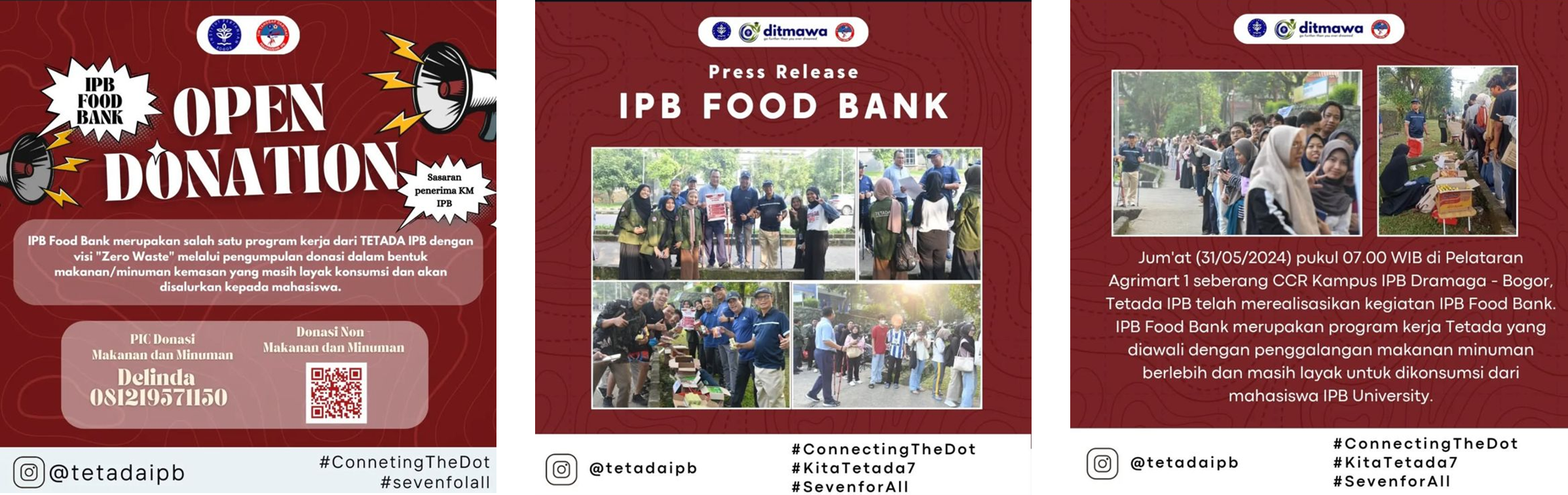
One of the key initiatives is the IPB Food Bank, which collects food donations from individuals and organisations and redistributes them to students in need. In 2025, the IPB Food Bank distributed more than 450 food packages to students, providing direct food assistance and helping reduce their daily living expenses. This programme serves as an accessible food support mechanism within the university community.

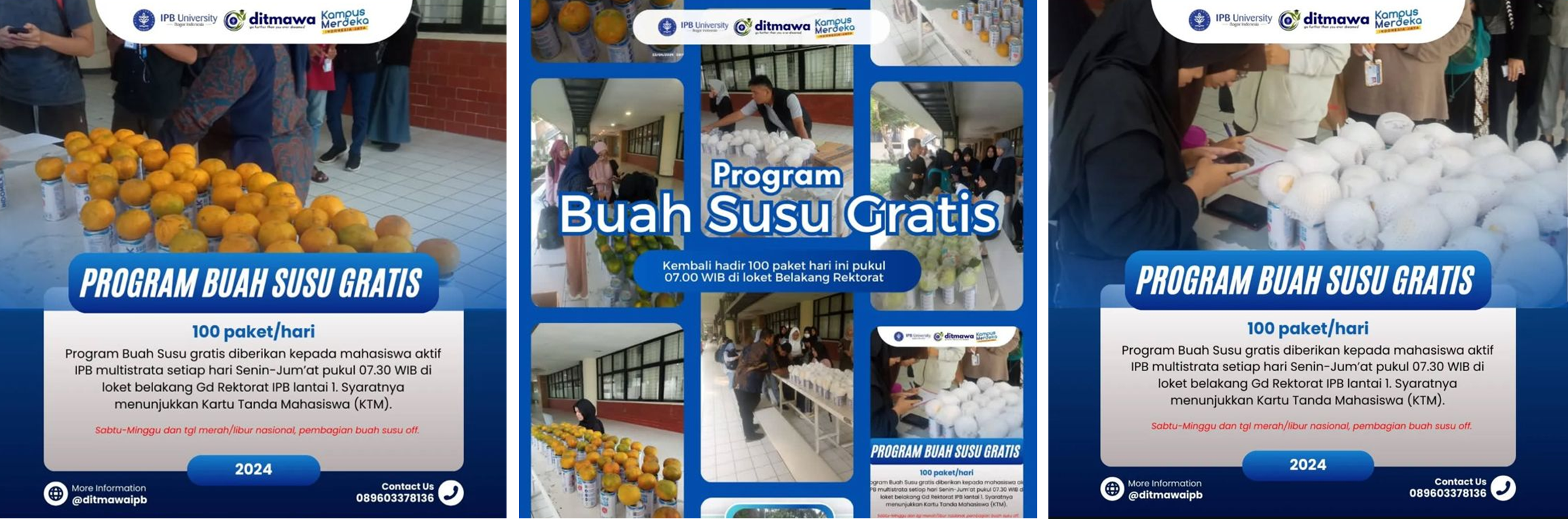
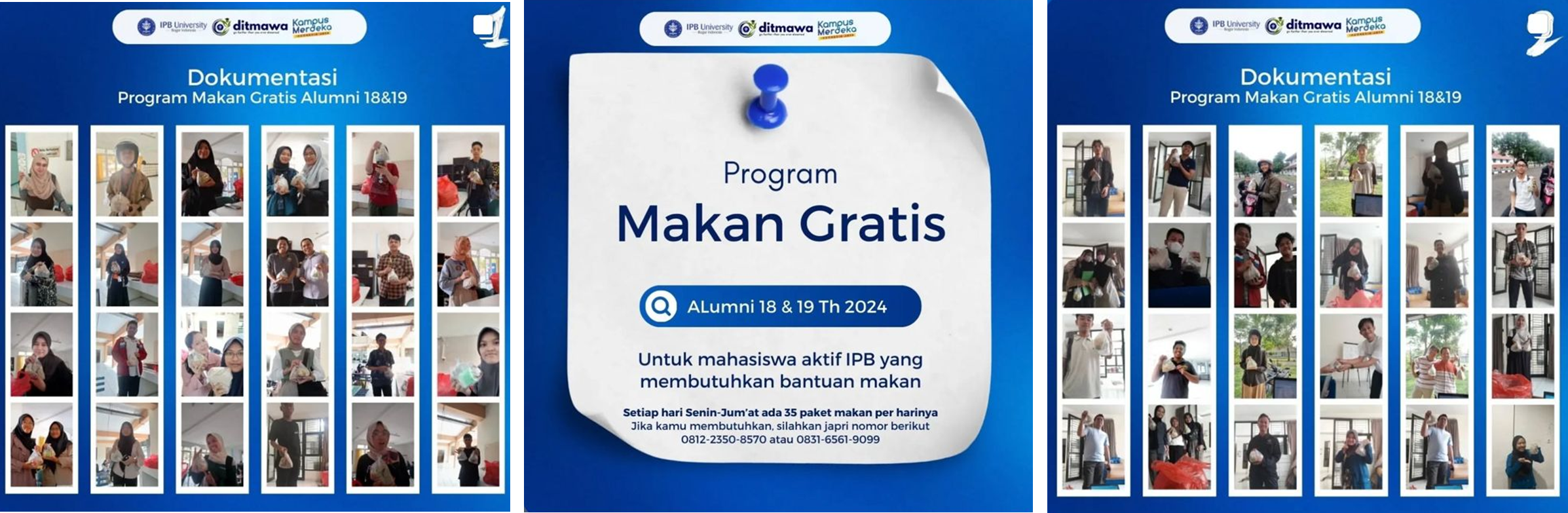
IPB University also implements the Free Fruit and Milk Programme, which provides 100 free packages of fruit and milk every working day. Distributed each morning, this programme aims to improve students’ access to nutritious food and support their daily nutritional intake. In addition, the university collaborates with IPB alumni from cohorts 18 and 19 through the Free Meal Programme, which provides 35 free meal packages to students every day. This initiative particularly supports students facing financial constraints by helping them meet their daily food needs.


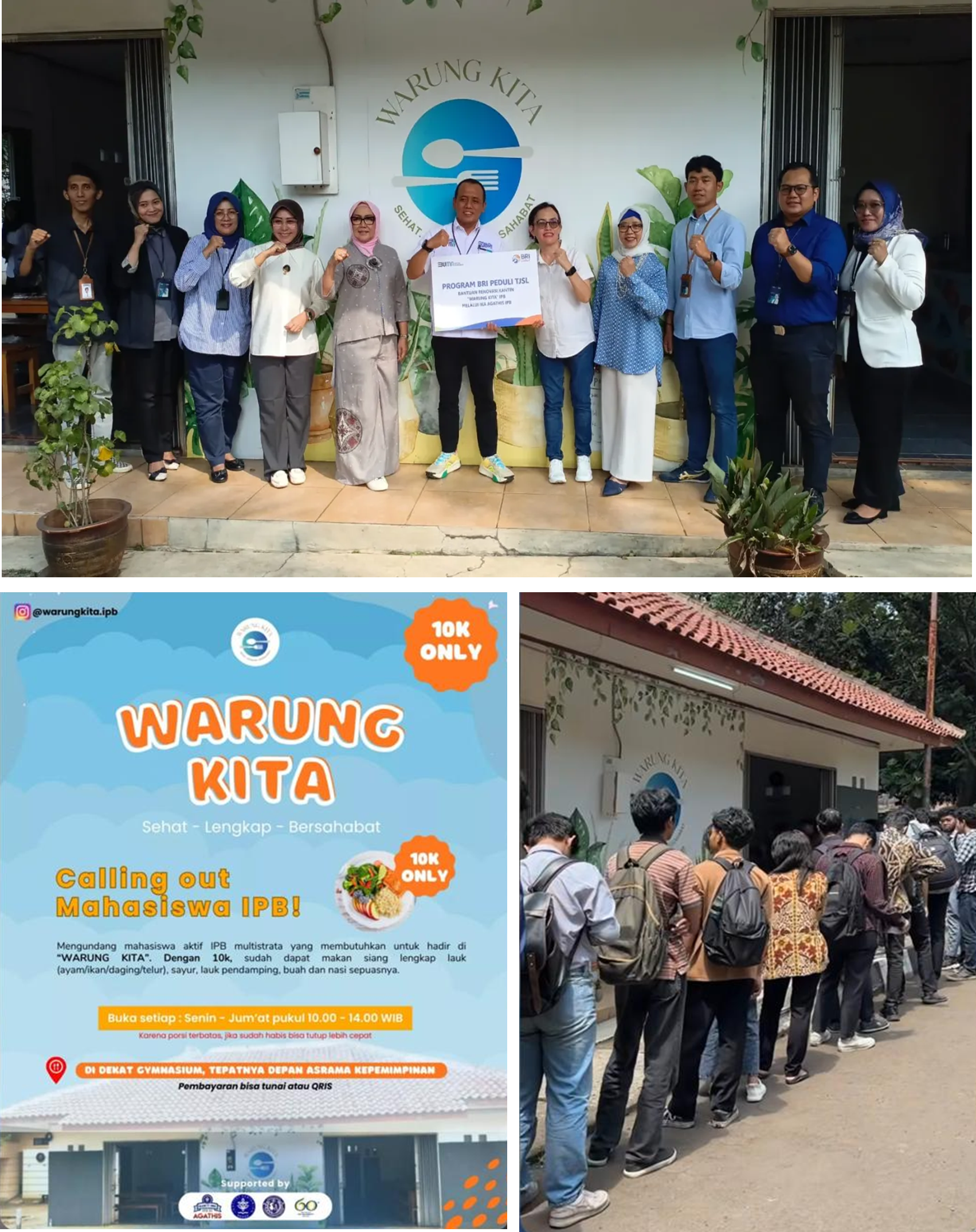
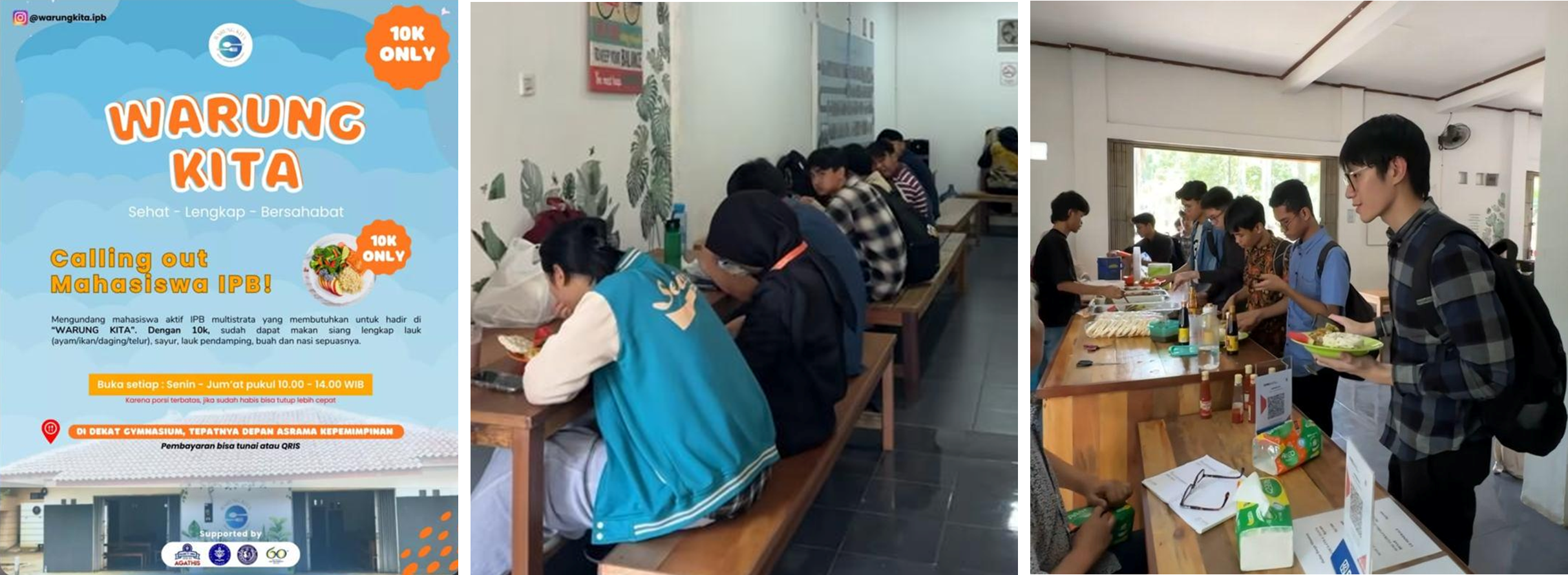
To complement these free food assistance programmes, IPB University operates Warung Kita, a campus dining initiative that provides affordable and nutritious meals for only IDR 10,000 per portion. The programme helps students, particularly those from economically disadvantaged backgrounds, access balanced meals at subsidised prices, thereby reducing the financial burden associated with daily food expenses.
Through these complementary initiatives, IPB University adopts a comprehensive approach to preventing student hunger by combining direct food assistance, daily nutritional support, alumni-funded meal programmes, and affordable campus dining services.
IPB University demonstrates its commitment to preventing and alleviating hunger among students through various food assistance programmes and initiatives that improve access to free and affordable nutritious food. These programmes are implemented through collaboration among university units, student organisations, and donors to support student well-being, reduce financial burdens, and ensure that students have access to adequate nutrition throughout their academic activities.
One of the key initiatives is the IPB Food Bank, which serves as a food donation and distribution platform connecting donors with students in need. The programme collects food contributions from individuals and organisations and redistributes them to students. In 2025, the IPB Food Bank distributed more than 450 meals to students, providing direct food assistance and helping alleviate food insecurity within the university community.
IPB University also implements the Free Fruit and Milk Programme, which provides 100 free packages of fruit and milk every working day. Distributed each morning, this initiative promotes access to nutritious food and supports students’ daily nutritional intake. In addition, Warung Kita IPB provides nutritious meals at an affordable price of IDR 10,000 per portion, helping students access balanced meals while reducing their daily food expenses.
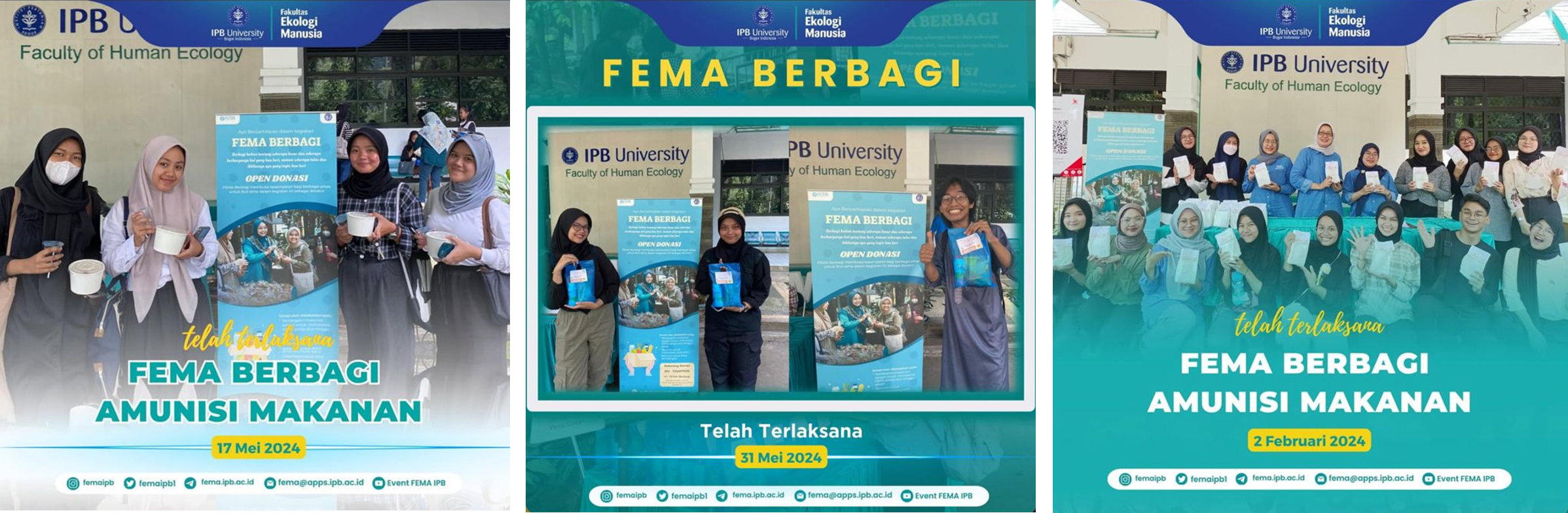
Food assistance is also provided at the faculty level through FEMA Berbagi Amunisi Makanan, a weekly food distribution programme organised by the Faculty of Human Ecology (FEMA). The programme provides food assistance to 75 FEMA students every Friday through collaboration among FEMA, Agrianita FEMA, and the Student Welfare and Advocacy Department (Adkesmah) of BEM FEMA. This initiative strengthens student welfare by providing regular access to food through faculty-level support and student engagement.
Beyond food assistance, IPB University also improves access to essential drinking water through its Drinking Water Station (DWS) programme. In 2025, the university added five DWS units, increasing the total from 23 units in 2024 to 28 units in 2025, distributed across 18 locations within the campus. A study by Ali T. (2023) identified several benefits of the DWS programme for IPB students, including improved access to drinking water, increased water consumption, particularly within the range of 1,000–2,000 mL, and potential savings on drinking water expenses of up to IDR 73,333 per person per month. These facilities complement the university’s food assistance initiatives by improving access to safe drinking water and reducing students’ daily living costs.
IPB University is committed to providing sustainable, healthy, affordable, and inclusive food choices for all members of its campus community, including vegetarian and vegan options. This commitment is supported by institutional policies, campus dining facilities, and initiatives that promote sustainable agricultural production and access to nutritious food.
The university’s commitment is formally established through Circular Letter No. 66614/2025 on Healthy and Sustainable Lifestyles, particularly Points 5(d) and 5(e). Point 5(d) requires health guidance for food and beverages offered within university work units, particularly campus canteens, emphasizing halal and healthy food, affordable prices, and a variety of meat-based and vegetable-based menu options. Furthermore, Point 5(e) requires all campus canteens to source livestock and fisheries products from production practices that comply with animal welfare and ethical standards. These provisions strengthen the institutional framework for ensuring food quality, dietary diversity, affordability, and responsible food sourcing across campus dining facilities.
Vegetarian and vegan food choices are available through various campus canteens, including Sapta, Yellow Corner, Blue Corner, and Purple Corner. These dining facilities offer diverse and affordable menus that accommodate different dietary preferences, including plant-based dishes such as gado-gado (mixed vegetables with peanut sauce), karedok (Sundanese raw vegetable salad), and fresh fruit juices. IPB University also promotes food safety and nutritional quality through training for canteen tenants and kitchen management, food sampling and analysis, and regular monitoring of food prices to maintain affordability for students and staff.
Beyond campus dining facilities, IPB University promotes access to fresh, locally sourced, and sustainably produced agricultural products through Botani Fresh Mart. Managed by the university’s Business, Investment, and Waqf Management Agency (BP Biswaf), this retail outlet offers a variety of fresh fruits and vegetables, including organic produce, at affordable prices. Botani Fresh Mart also collaborates with local farmers and retail partners, including GrandLucky, Diamond Supermarket, YOGYA Group, and All Fresh, to strengthen agricultural product distribution and improve access to fresh produce. These activities support healthier dietary choices while promoting local agricultural supply chains.
IPB University further strengthens sustainable food provision through its Agribusiness and Technology Park (ATP IPB), which integrates agricultural production, research, education, and commercialisation. ATP supports the production and distribution of fresh fruits and vegetables through Think Fresh, an initiative that provides horticultural products developed from IPB’s agricultural research and improved crop varieties. The facility also serves as a field laboratory where students can gain practical experience in agricultural production and management. By connecting agricultural research, sustainable farming practices, and fresh produce distribution, ATP contributes to the availability of plant-based food choices for the campus community.
IPB University is committed to providing healthy, nutritious, safe, and affordable food choices for all members of its campus community through institutional policies, accessible dining facilities, and food assistance programmes. These initiatives aim to ensure that students, staff, and other campus members have access to nutritious meals at reasonable prices, while promoting healthy eating habits and reducing financial barriers to adequate nutrition.
This commitment is formally established through Circular Letter No. 66614/2025 on Healthy and Sustainable Lifestyles, particularly Point 5(d), which requires university work units to provide health guidance concerning food and beverages offered on campus, especially in university canteens. The policy emphasizes the provision of halal, healthy, and affordable food, as well as diverse menu options that include both meat-based and vegetable-based dishes. This institutional framework supports the availability of nutritious and inclusive food choices across campus dining facilities.
One of the university’s initiatives is Warung Kita IPB, which provides nutritious meals at an affordable price of IDR 10,000 per portion. This initiative helps students access balanced meals while reducing their daily food expenses. IPB University also implements the Free Fruit and Milk Programme, distributing 100 complimentary packages of fruit and milk every working day. Provided each morning, the programme supports students’ daily nutritional intake and encourages healthier eating habits. In addition, through collaboration with IPB alumni from cohorts 18 and 19, the university implements a Free Meal Programme that provides 35 free meal packages to students every day, further improving access to food, particularly for students facing financial constraints.


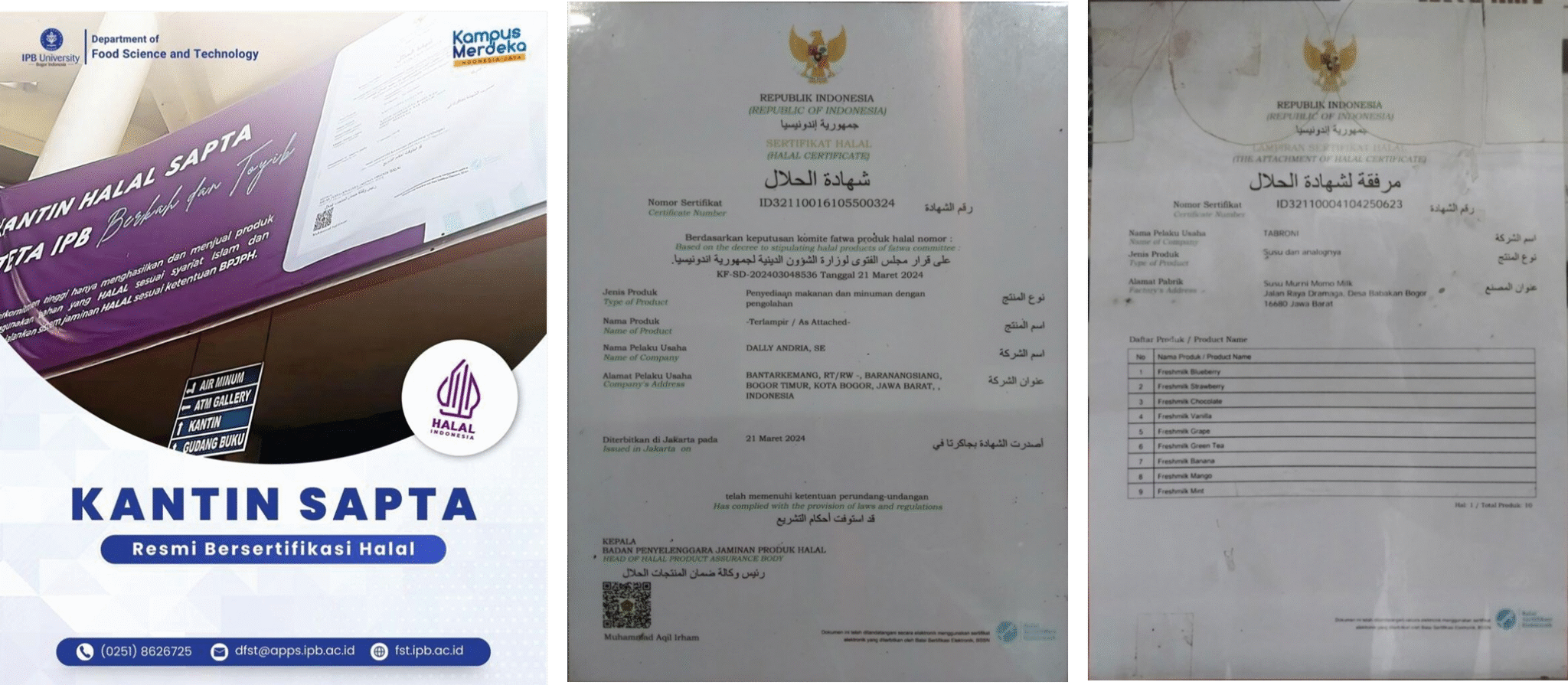
Food safety, nutritional quality, and affordability are also integral to IPB University’s campus food management practices. The university conducts training for canteen tenants and kitchen management personnel to strengthen food handling, hygiene, and safety practices. Food sampling and laboratory analyses are carried out to assess compliance with food safety standards, alongside regular evaluations of food quality. Furthermore, IPB University monitors food prices across campus outlets and establishes affordable pricing guidelines to ensure that meals remain accessible to students. Halal certification obtained by campus canteens further demonstrates their commitment to meeting halal requirements and maintaining appropriate standards in food preparation and handling.
IPB University demonstrates its commitment to supporting staff welfare and food security through various institutional initiatives that provide free meals, affordable food, and essential food assistance. These programmes aim to improve access to adequate nutrition, reduce employees’ household food expenses, and promote a supportive working environment. The initiatives benefit various employee categories, including civil servants, permanent employees, contract staff, and daily workers.
One of the university’s initiatives is the Weekly Free Lunch Programme, which provides complimentary meals to staff every Wednesday during regular weekly meetings. Beyond providing direct access to food, this initiative encourages social interaction, strengthens relationships among employees, and fosters a positive and collaborative working environment. The provision of free meals also helps reduce employees’ daily food expenses while supporting their overall well-being and productivity.
Another major initiative is the Bingkisan Hari Raya (BHR) Programme, an annual distribution of essential food packages coordinated by the Directorate of Human Resources since 2022. The programme provides food assistance to various employee groups, including civil servants (PNS), permanent employees, non-permanent or contract employees, and daily workers. Food packages are also distributed to representatives of the retirees’ association, Agrianita, the Al-Hurriyah Mosque Management Board (DKM), and the Teko Cooperative. The packages contain various essential food products, including beef, beef liver, chicken, red tilapia, shrimp, rice, cooking oil, sugar, wheat flour, and syrup, helping recipients meet their household food needs while reducing grocery expenses.
The BHR Programme has demonstrated consistent growth in both the number of beneficiaries and institutional financial support from 2023 to 2025. In 2023, IPB University distributed 5,140 food packages with a total budget of IDR 1,522,970,000. The programme expanded in 2024, distributing 5,197 packages with an allocation of IDR 1,987,210,038. In 2025, the number increased to 5,250 packages, supported by a total budget of IDR 2,283,487,500. This continued increase reflects the university’s sustained investment in employee welfare and its commitment to providing essential food assistance across different employment categories.
In addition to these programmes, Kantin Magenta at IPB University’s School of Vocational Studies provides an affordable rice meal programme for university educational support staff. This initiative offers lower-cost meal options, helping employees access daily food while reducing their living expenses. By making meals more affordable within the workplace, the programme complements the university’s direct food assistance initiatives and supports the nutritional needs of its workforce.
National Hunger
IPB University demonstrates its commitment to strengthening food security and sustainable agriculture and aquaculture by providing local farmers, livestock producers, fishers, and food producers with access to scientific knowledge, technical skills, innovative technologies, and professional assistance. Through its Tani dan Nelayan Center (TNC), digital agricultural extension services, training programmes, and community engagement initiatives, the university facilitates the transfer of research-based knowledge and practical solutions to improve agricultural productivity, resource management, and the sustainability of local food production systems.
One of the university’s key initiatives is the Tani dan Nelayan Center (TNC), which serves as a knowledge-sharing, consultation, and capacity-building platform connecting farmers, livestock producers, and fishers with IPB University experts. Through its digital platform, IPB Digitani (https://digitani.ipb.ac.id/), TNC provides access to agricultural information, expert consultations, technical recommendations, and innovations relevant to challenges encountered in the field. The platform has accumulated 15,100 registered users, facilitated 432 consultations, and published 1,406 informational articles, including agricultural news, expert consultation articles, and popular educational content. These resources help local food producers obtain practical guidance on crop cultivation, livestock management, fisheries, pest and disease control, and sustainable production practices.

To expand the accessibility of agricultural knowledge, TNC IPB University regularly organises educational webinars, training programmes, and technical assistance activities involving farmers, livestock producers, fishers, agricultural extension officers, researchers, students, and other agromaritime stakeholders. In 2025, more than 10 webinar sessions have been conducted in collaboration with various partners, providing opportunities for knowledge exchange and discussion of agricultural and fisheries challenges. TNC has also strengthened its digital outreach through social media platforms, reaching 13,344 followers and producing 2,784 educational and informational posts. These activities enable agricultural knowledge and technological innovations to reach wider audiences beyond the university.

In addition to digital services, TNC provides direct assistance and practical training through community-based and field-level activities. Its offline training and mentoring programmes have reached 887 beneficiaries, comprising 94 members of farming communities, 10 members of fishing communities, 100 government representatives, and 683 academics. These activities facilitate knowledge transfer, technical capacity development, and collaboration among local communities, agricultural stakeholders, and university experts. By combining online consultation services with field-based assistance, IPB University helps bridge the gap between scientific research and its practical application in agricultural and fisheries production.
In 2025, TNC IPB University further strengthened its support for fishing communities through the establishment of the Teman Nelayan Indonesia Community, an inclusive network connecting fishers from different regions of Indonesia with academics, government institutions, civil society organisations, and fisheries businesses. Officially launched in May 2025, the initiative provides a platform for sharing knowledge, practical experiences, and information on sustainable fisheries management. The community also promotes dialogue on fisheries policies, marine resource sustainability, and fishers’ welfare, strengthening collaboration and collective capacity to address challenges in the fisheries sector.
Another example of IPB University’s knowledge and technology transfer activities was demonstrated through the 2025 community engagement programme introducing integrated rice–aquaculture systems to residents of Sukajadi Tourism Village. Conducted at IPB University’s Agribusiness and Technology Park (ATP), the programme introduced two sustainable freshwater aquaculture approaches: Mina Padi, which integrates rice cultivation with fish farming, and Ugadi, which combines rice cultivation with giant freshwater prawn production. Participants received technical explanations of how rice-field irrigation systems can be utilised for additional aquaculture production, potentially increasing land productivity and diversifying farmers’ income sources. The programme also included field visits to agricultural and fisheries facilities, allowing participants to observe integrated production technologies and explore their potential application in their communities. Participants were additionally introduced to IPB Digitani as a continuing source of technical guidance and expert consultation.
IPB University ran farmer events throughout 2025; they are free for farmers, while exhibitors pay for booths at trade fairs. Some events move knowledge between researchers and farmers; others connect producers with buyers.
Knowledge events came first in the year. On 5 May 2025 IPB held a Rice Researchers Field Meeting at Sawah Baru, Dramaga, where its breeders presented the newest varieties, 12S to 15S, and took feedback from stakeholders including the Ministry of Agriculture. From 16 to 26 June the Safari AB2TI of IPB’s Biotech Center, led by Prof Dwi Andreas Santosa, spent eleven days in at least eleven regions running rice-breeding workshops, organic-farming discussions, line-selection focus groups and production planning with farmer networks. On 20 July the Farmer Field School in Bantarsari Village, run by PT Primakelola (IPB Consulting) within Bank Mandiri’s Mandiri Sahabat Desa programme, brought farmers together with the village-owned rice mill, extension officers and the sub-district head.
Market events followed. From 19 to 22 October 2025 IPB and Astra ran the Agriculture Cluster Bootcamp for 25 local champions of Desa Sejahtera Astra, and in the same month a Bajawa village mentored by IPB and Astra exported 15 tons of Arabica coffee to Thailand. From 6 to 8 November IPB took part in Agrinex Expo 2025 at JIExpo Kemayoran, the first edition in five years, where 140 booths covered the agricultural value chain.
IPB University opens laboratories, pilot plants and plant stock to food producers; laboratory services are paid, while digital consultation is free. The SEAFAST Center, formed in 2004 from IPB’s food and nutrition study centres, offers analytical laboratory services, pilot-plant trials, product development, advice on standards and regulation, marketing and business-plan help, and regular training for food firms, government bodies and community producers, with enquiries handled through a public WhatsApp line. SEAFAST carried this work into 2026 with food-safety and traceability training for the free nutritious meals pilot in Cianjur Regency on 6 June 2026 (2026 data).

Plant stock is IPB’s second shared facility. IPB rice varieties such as IPB 3S, 9G, 13S and 15S reach farmers through IPB and PT Botani Seed Indonesia, and the Farmer Field School of 20 July 2025 planted 13S and 15S on demonstration plots in Ciamis. In 2025 IPB supplied 3,156 tons of IPB superior rice seed to the Ministry of Agriculture and expanded its Innovation Villages for paddy and upland rice to 1,125 hectares. Demand for IPB9G seed stood at around 4,000 tons in 2025, with a 2026 target of 12,500 tons, and by April 2026 IPB’s high-yielding varieties covered nearly 110,000 hectares (2026 data). Farmers can also visit the Tani and Nelayan Center in the BRIWork building on the Dramaga campus for training, or use its free digital consultation. In May 2025 the Rector announced a Rice Innovation Center, planned as an extension centre with seed-drying machines and laboratories.
Halal Business Incubator. IPB opened the Pusat Inkubator Bisnis Halal (Halal Business Incubator Centre) on 26 November 2025 at the Science and Techno Park on the Taman Kencana campus. It offers halal testing, help with halal certification, incubation for micro, small and medium food businesses, research and training. The building was funded under PRIME STeP, the Asian Development Bank loan programme, as part of IDR 102.96 billion spent on innovation facilities in 2023-2025, which also paid for bread, pastry and biscuit production lines and food-testing laboratory equipment (Performance Report 2025, p. 4-12). No 2025 user numbers have been published yet.

Halal inspection laboratory. In 2025 IPB’s Laboratorium Riset Unggulan (Integrated Research Laboratory) gained accreditation as a Halal Inspection Body (Lembaga Pemeriksa Halal) at the “Utama” level from Indonesia’s Halal Product Assurance Agency (BPJPH). IPB also runs 13 ISO 17025-accredited testing and calibration laboratories (Performance Report 2025, pp. 1-36 and 2-26). Small food producers need a halal inspection before they can certify a product, so an accredited inspection body on campus opens a route to certification.
MBG Centre of Excellence. On 11 February 2025 IPB, Bappenas, the National Nutrition Agency and UNICEF broke ground for the National Centre of Excellence for the Free Nutritious Meals (MBG) programme at IPB’s Agribusiness and Technology Park. The centre is set up to research menu innovation and food-supply management and to develop guidance, certification systems and pilot projects for school and community feeding.
IPB University makes local and sustainable sourcing a written condition for the companies that supply food on its campus. Under Point 5 of Circular Letter No. 24714/IT3/HM/M/B/2021 on a Healthy and Sustainable Lifestyle, contracted and subcontracted services must provide local or community-based products together with healthy, nutritious food; aquatic food must come from sustainably managed ecosystems and be harvested responsibly; and suppliers must take endangered species off menus and catering, with seafood ethics assessed and monitored. These terms are binding, not advisory: they must appear in every proposal, contract, sponsorship agreement and alliance agreement, and any variance needs written approval from the Director of Business. IPB places the circular under Rector’s Regulation No. 133/2020, Point J, on the Sustainable Development Goals.
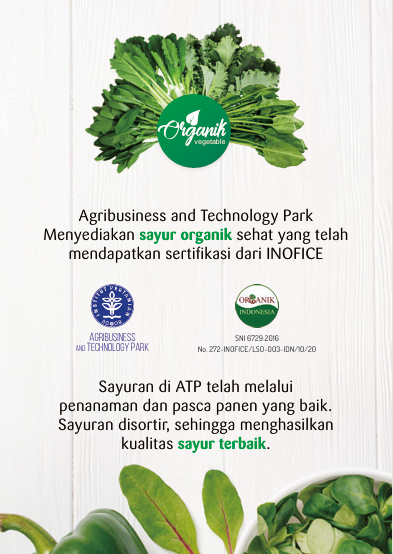
IPB’s own outlets apply the same preference in retail. UriAgro, a digital marketplace, sells farm products from several West Java regencies supplied by local farmers and village-owned enterprises that partner with IPB, and the Agribusiness and Technology Park sells organic vegetables certified by a third party, grown in facilities certified under SNI 6729-2016.
SDG 2 IN NUMBER
8,581
Number of Graduates in 2025
5,260
Number of graduates from a relevant agriculture course
61.3%
Percentage of graduates from agriculture
524 mt
Total Food Waste
40,588
Number of Campus Population
Select an image for which you want to see the achievement of the SDG indicators





SDG 2: ZERO HUNGER
“The ability to feed the world is a key element of sustainable development. If done right, agriculture, forestry and fisheries can provide nutritious food for all. At the same time it can ensure rural development with people at the centre of the process, supporting the incomes of those who rely on agriculture. Universities need to be able to demonstrate how they are contributing to end hunger, achieve food security and improved nutrition and promote sustainable agriculture.”
(THE Impact Rankings)
SDG 2 Report
Campus Food Waste
IPB University demonstrates a strong commitment to sustainable waste management across its campus environment. Since 2021, all university units have been required to monitor and report their waste generation in accordance with the Circular Letter on Waste Management at IPB University and the Rector Decree No. 29/IT3/OT/2020. These policies reflect the university’s adoption of the 3R principles — Reduce, Reuse, and Recycle — as the foundation for environmental stewardship.
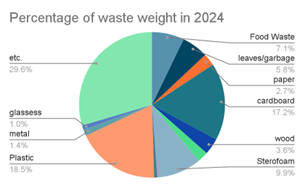
Throughout 2024, IPB systematically measured and managed its waste following SNI 19-3964-1994, ensuring that data collection met national standards. The system involves several stages:
- Food waste is collected and weighed at each station using precise digital scales.
- The collected waste is then sorted into categories such as rice, vegetables, and side dishes.
- Each category is weighed individually and the data are documented systematically.
Each waste category, including food waste, plastics, glass, and paper, was weighed using digital scales at collection points. The university recorded a total of 8.501 kilograms of organic and inorganic waste, a portion of which was transformed into compost and recycled into 137 paving blocks through student-led initiatives.
To prevent excessive food waste during campus events, organizers are required to accurately estimate attendance and adjust catering orders accordingly. In cases where there are changes in participant numbers, caterers are promptly informed to modify food portions. Furthermore, IPB collaborates with accredited charitable organizations through the Food Bank program, which redistributes surplus food and beverages from donors to students in need.
Student Hunger
In 2024, IPB University introduced several programs in place on student food insecurity and hunger:
- FoodBank: A program that collects food and drinks from donors and distributes them to students in need. In 2024, IPB University through the IPB Food Bank distributed over 1.000 food packages.
- Agrianita Faperta IPB: A total of 400 healthy lunch packages were distributed to active students of the Faculty of Agriculture, IPB University, by Agrianita Faperta IPB in collaboration with the Alumni Association of the Faculty of Agriculture and the Student Executive Board of the Faculty of Agriculture at the Dramaga Campus. The activity was organized as a form of concern and commitment to student welfare, as stated by the Chairperson of Agrianita, who emphasized that this program represents the embodiment of hard work and smart work in maintaining consistent care within the faculty environment.
- Warung Kita: Warung Kita IPB is known not only as an everyday place to eat, but also as a way of caring for the welfare of students in the academic environment of IPB. Through affordable prices and a cross-subsidy system, Warung Kita provides around 300 meal portions every day to ensure that all students, including those with limited financial means, can access nutritious food on campus. In 2024, BRI Peduli TJSL supported the expansion and improvement of Warung Kita’s facilities, strengthening its role as a platform for care and tangible support for IPB students, particularly in fostering an inclusive campus environment.
- Milk and Fruit Assistance: The Fruit and Milk Program is an IPB initiative aimed at improving students’ access to nutritious food. Since 2021, the program has distributed 100 free fruit and milk packages every working day to students from various academic levels. In 2024, the program also began reaching the Vocational School and Business School campuses, allocating around 100 packages per day.
- Daily free meals. The Free Meal Program by Alumni 18&19 is an initiative carried out through a collaboration between the 2018 and 2019 alumni and the Directorate of Student Affairs at IPB University. This program has been running for three years and aims to help meet the food needs of active IPB students in need. Every Monday to Friday, 35 students receive free dinner packages as a form of support for student welfare.
IPB University provides targeted interventions to ensure that no student experiences hunger by maintaining accessible, affordable, and nutritious food services on campus.
- FEMA Berbagi: One of the main focuses of this activity is the distribution of food, which includes providing staple foods and snacks to active students in need, ensuring that their basic needs are directly met.
- Free Drinking Water Stations: The Drinking Water Station (DWS) Program is a waqf-based initiative by IPB University that provides clean, free, and ready-to-drink water for the entire academic community. Since its launch in 2021 with a single unit at the Rectorate Building, the number of DWS units has steadily increased, reaching 23 units across 14 locations in 2024, with a total investment value of IDR 1,138,732,576, including distribution and maintenance costs. The installation sites cover various faculties, campus mosques, student dormitories, and the IPB Polyclinic.
-
Based on the DWS distribution map, these units have reached nearly all major areas of IPB Dramaga Campus, ensuring easier access to drinking water for students and academic staff. In addition to improving the habit of drinking water, this program also provides economic benefits by reducing student expenditure on drinking water to around IDR 73,000 per person per month.

- FoodBank: A program that collects food and drinks from donors and distributes them to students in need. In 2024, IPB University through the IPB Food Bank distributed over 1.000 food packages.
IPB provides sustainable, healthy, and affordable food choices for all on campus. Examples of student’s favorite canteens are Sapta, Yellow Corner, Blue Corner, and Purple Corner, which provide menus for campus students and people who are vegan or vegetarian to be able to consume types of food that are tolerant of them.
Almost all the food provided in the IPB canteen is sold at a very friendly and affordable price. Healthy food can be seen in menu options that balance nutrition and food safety. To ensure food safety, IPB has conducted training for canteen tenants and IPB kitchen management, doing sampling and analysis to prove the good practices they follow. IPB has monitored food prices in all food outlets and regulated prices that should be affordable to students.
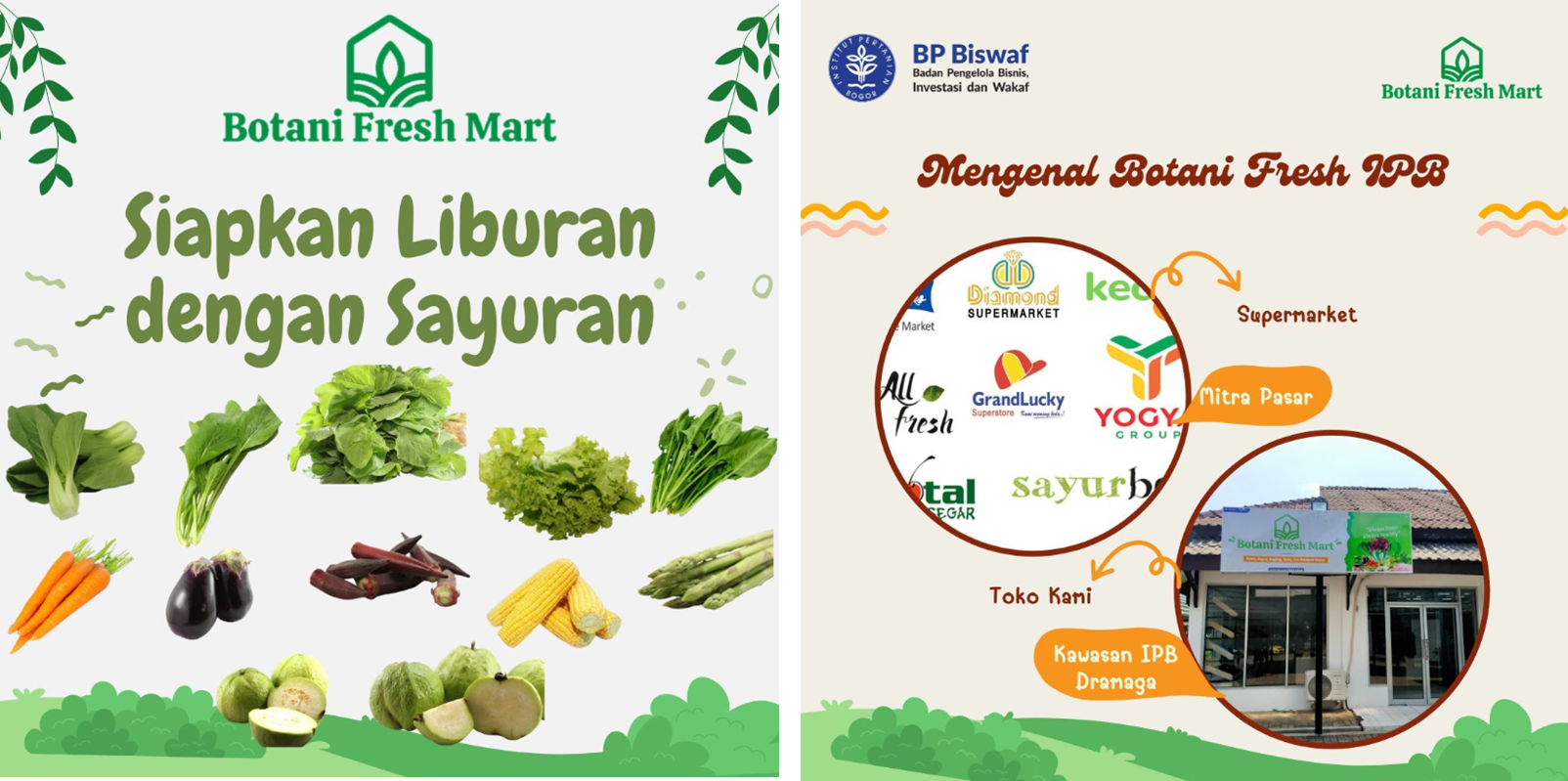
IPB also produces fresh and organic vegetables that are marketed at an affordable price for the campus population through Botani Fresh Mart, a retail outlet managed by the Business, Investment, and Waqf Management Agency (BP Biswaf) of IPB. Botani Fresh Mart offers a wide variety of fresh, locally sourced vegetables and fruits, promoting plant-based consumption among students and staff.
The mart partners with local farmers and national markets such as GrandLucky, Diamond Supermarket, YOGYA Group, and All Fresh, ensuring that the products are sustainably produced and distributed. Located within the IPB Dramaga campus, Botani Fresh Mart supports the university’s commitment to sustainable agriculture, food security, and accessible vegetarian and vegan food options for all members of the campus community.
All food provided in the IPB canteen is sold at an affordable price. Healthy food can be seen in menu options that balance nutrition and food safety. IPB also provides a canteen that offers subsidized nutritious meals for students in need, supported by IPB alumni. Warung Kita ensures that all students, regardless of their financial background, have access to healthy and affordable food options.
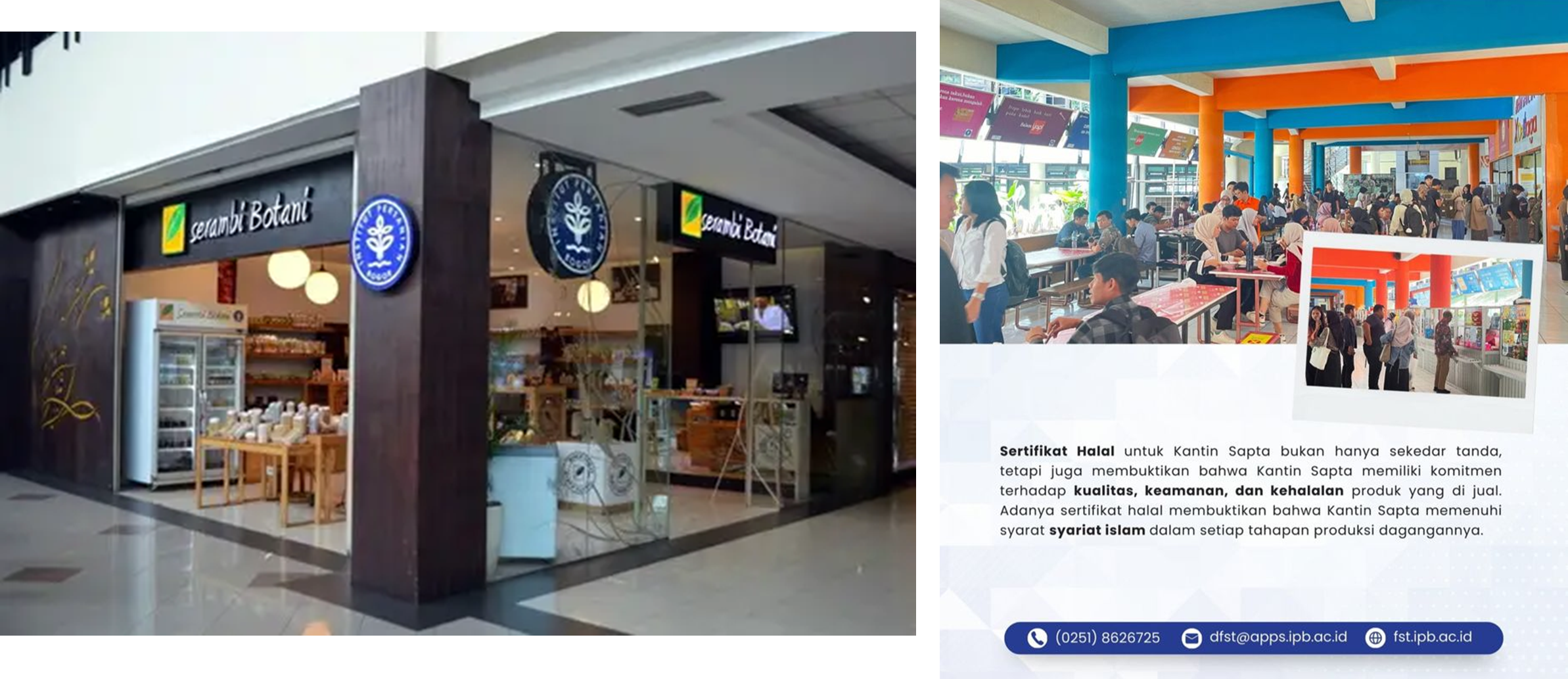
To ensure food safety, IPB has conducted training for canteen tenants and IPB kitchen management, taking samples and conducting analyses to verify their good practices. IPB has monitored food prices at all food outlets and set affordable prices for students. IPB also evaluates food quality on campus. In addition, food in IPB canteens has obtained Halal certification. This Halal certification demonstrates that IPB canteens are committed to the quality, safety, and halal status of the food and beverages sold.
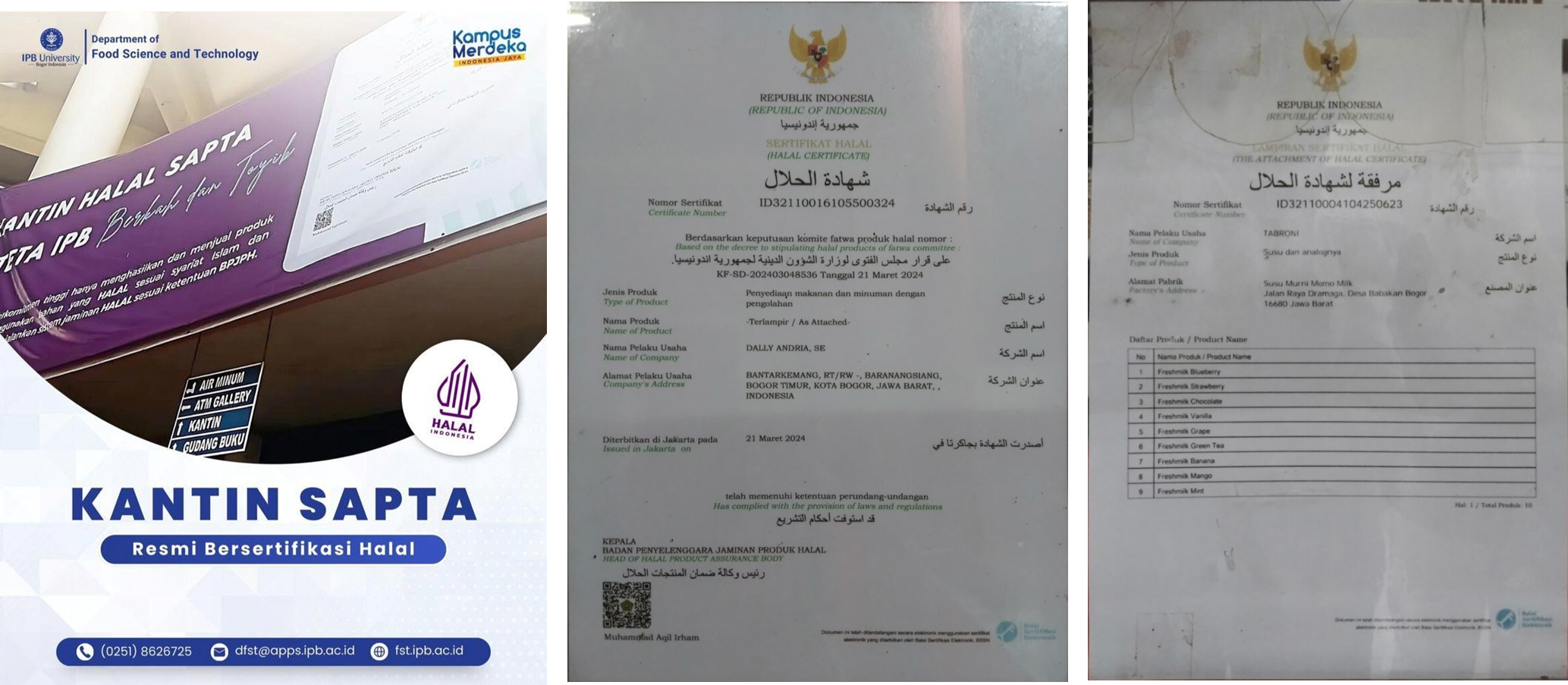
IPB University takes several measures to address food security and alleviate hunger, both among staff and within the wider community. The university is actively involved in food provision and accessibility initiatives, as part of its commitment to social responsibility and community welfare.
IPB offers free lunch for staff every Wednesday during the weekly meeting. This program aims to strengthen relationships among staff and enhance the work environment. Informal interactions over lunch can help foster a more positive atmosphere and support productivity.
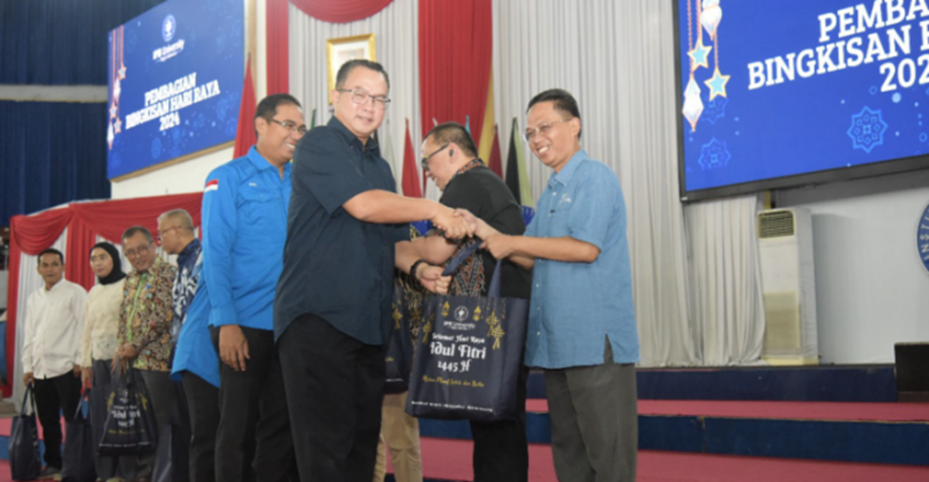
In 2024, IPB University distributed 5,197 Eid gift packages to all employees, including civil servants, permanent employees, contract employees, and daily workers. The gift packages consisted of 10 types of products such as beef, chicken, fish, premium rice, cooking oil, sugar, syrup, and wheat flour; the distribution was carried out as an expression of gratitude and sharing happiness ahead of Eid al-Fitr 1445 H.

On April 2, 2024, the leadership of IPB University, the Faculty of Animal Science, and the Department of Animal Production and Technology carried out the distribution of Eid al-Fitr 1445 Hijriah gift packages as an annual routine activity. The activity was intended to share happiness among faculty staff while strengthening bonds of togetherness and expressing appreciation for the contributions of all members within the institution.
Beyond internal programs, IPB University also collaborates with local government and non-governmental organizations to address broader food security issues in surrounding communities. These initiatives not only improve access to food but also promote sustainable practices and awareness. Such programs highlight IPB’s role as an institution that prioritizes not only academic excellence but also the well-being of its members and community stakeholders.
National Hunger
IPB University is strongly committed to improving access to food security and sustainable agriculture and aquaculture knowledge, skills, or technology for local farmers and food producers. There are several platforms and programs for local farmers and food producers, namely: DigiTani (Digital Agricultural Extension), Sekolah Peternakan Rakyat (School of Community’s Livestock), One Village One CEO, Klinik Tanaman, and training for ornamental fish producers.
- DigiTani (Digital Agricultural Extension): IPB Digitani has various features, such as popular articles, consultation articles, farmer forums, and ask the experts. The number of Digitani users in 2024 is 12.537 users consisting of students, farmers, extension officers, experts, lecturers, and others. There are 1.073 articles on IPB Digitani consisting of news, consultation articles, and popular articles with an average monthly readership of 3.136 readers. Beneficiaries include farmers, breeders, fishermen, students, extension workers, and the general public.
- TNC IPB services: TNC IPB is required to visit many locations by bringing IPB University experts to help solve agricultural problems and conduct training in both technical and community development fields. Offline services at these locations are possible thanks to the support and cooperation of various institutions.
In 2024, IPB has collaborated with 18 institutions, including universities, mass organizations, NGOs, government agencies, and domestic and foreign companies. During 2024, TNC IPB’s services reached farmers, fishermen, livestock breeders, animal lovers, agricultural activists, and MSMEs in 102 villages, 49 districts/cities, in 17 provinces in Indonesia.
- Webinar: The webinar was held to analyze and find solutions to the problems currently faced by farmers, fishermen, ranchers, MSME actors, and observers of agromaritime community development. During 2024, 11 webinars were held with speakers consisting of farmers/fishermen/ ranchers (10 people), agricultural extension workers/POPT (4 people), academics/researchers (20 people), entrepreneurs (6 people), and government officials (4 people). The webinar participants numbered 4.490 people, consisting of farmers/ ranchers/fishermen, agricultural extension workers/POPT, academics/researchers, entrepreneurs, students, and activists concerned with agromaritime community development.
- Training for farmers:
IPB collaborates with Yayasan Hutan Organik and PT Danone Nutricia to organize a sustainable honey bee farming program that improves farmers’ technical knowledge in apiculture. This initiative promotes biodiversity conservation, increases crop productivity, and strengthens community-based food security around the university’s coverage area.
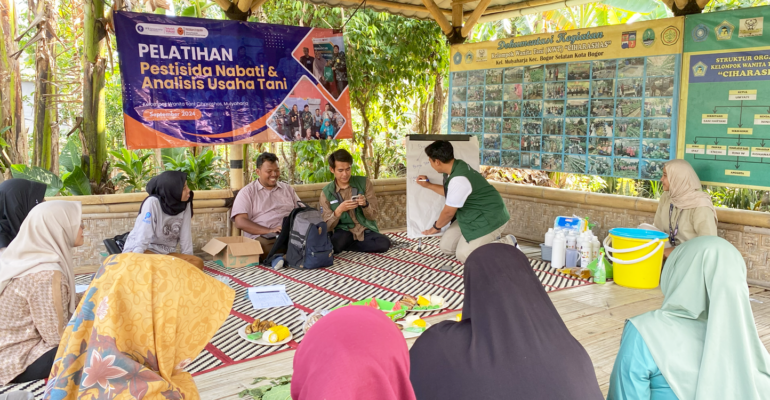
Through the Vocational School, IPB University facilitated training on plant-based pesticide formulation using papaya leaves and agricultural business analysis for a group of women farmers in Mulyaharja Village. These activities improved participants’ understanding of eco-friendly pest control and sustainable agricultural management, while promoting environmental sustainability and economic resilience.
On the other hand, in the SPPI 2024 Agricultural Improvement Program at Pusdikif’s Cipatat Livestock Cluster, IPB introduced pasteurization and cheese-making techniques. The program equipped participants with practical skills in dairy processing and product innovation-such as mozzarella cheese production-that support the development of added value in local livestock enterprises. In addition, IPB lecturers conducted capacity building training for women farmer groups (KWT) in Nagrak, Sukabumi, focusing on healthy beverage production and food processing.
IPB University provides targeted interventions to ensure that no student experiences hunger by maintaining accessible, affordable, and nutritious food services on campus.
- FEMA Berbagi: One of the main focuses of this activity is the distribution of food, which includes providing staple foods and snacks to active students in need, ensuring that their basic needs are directly met.
- Free Drinking Water Stations: The Drinking Water Station (DWS) Program is a waqf-based initiative by IPB University that provides clean, free, and ready-to-drink water for the entire academic community. Since its launch in 2021 with a single unit at the Rectorate Building, the number of DWS units has steadily increased, reaching 23 units across 14 locations in 2024, with a total investment value of IDR 1,138,732,576, including distribution and maintenance costs. The installation sites cover various faculties, campus mosques, student dormitories, and the IPB Polyclinic.
-
Based on the DWS distribution map, these units have reached nearly all major areas of IPB Dramaga Campus, ensuring easier access to drinking water for students and academic staff. In addition to improving the habit of drinking water, this program also provides economic benefits by reducing student expenditure on drinking water to around IDR 73,000 per person per month.
- FoodBank: A program that collects food and drinks from donors and distributes them to students in need. In 2024, IPB University through the IPB Food Bank distributed over 1.000 food packages.
IPB University provides access to its facilities, technologies, and research outputs for local farmers and food producers to support sustainable agricultural practices and improve food product quality. The SEAFAST Center IPB offers public services in chemical, microbiological, and sensory analysis, as well as food quality and safety testing for small- and medium-scale food enterprises. Through this facility, farmers and local producers can utilize the university’s laboratories and technology for product certification, licensing, and development based on food safety standards, contributing to food security and local agro-industry development.
Access to University Facilities for Local Farmers
IPB has analytical facilities for the public to improve product quality from farmers or local businesses. Facilities at IPB for food analytical or certification:
SEAFAST Center IPB
- Food Microbiology Analysis Laboratory
- Food Biotechnology Laboratory
- Food Quality and Safety Laboratory: Chemistry
- Food Quality and Safety Laboratory: Microbiology
- Food Sensory Evaluation
- Animal Assay Laboratory
Testing Laboratory of the Department of Agricultural Industrial Technology
- Analysis for wastewater and AMDK
- Analysis of the quality of crystal sugar
- Analysis of material and agroindustry product
Testing and Certification Services Laboratory of IPB Laboratorium Jasa Pengujian dan Sertifikasi IPB
- Certified by LP-156-IDN for Analytical test
- LK-336-IDN for Calibration test,
- LSPr-030-IDN,
- LSHACCP-009-IDN,
- LSSMKP-009-IDN for product certification,
- HACCP
Food analysis services
- Chemical Analyses (Proximate (ash, moisture, fat, protein, carbohydrate), Dietary fiber, Vitamins (A, B1, B2, C, E), Minerals and heavy metal (Na, Ca, K, Fe, Zn, Mg, Hg, Co, Cd, Pb, Cu, As, etc), pH dan titrable acid, Fatty acid composition (GC), Sugars (total sugar, reducing and non-reducing sugar, lactose), Cholesterol (GC), Phenolic content (tanin), Formaline and borax (qualitative and quantitative), Qualitative analyses of MSG, nitrate, nitrite, and cyclamate, Beta caroten (HPLC), Amylose and amylopectin (spectrophotometer), Amino acid (HPLC), Water activity, Acidic, acetyl, ester, safonic, peroxide, and iodic values (titrimetric), Nutritional fact, Free fatty acid (titration), DHA, Cyanidic acid (qualitative/quantitative), Carageenan (Manan and alginate), MSG (qualitative), Nitrate/nitrite, Starch (Luf Schrool and Lane Eynon Methods), Pectin, Sacharine and cyclamate (qualitative), Volatile oil, Colorant (qualitative), Sulfite, Smoke test.
- Physical Analyses: Fluid behaviour (Newtonian/non-Newtonian), Rheological analyses by Farinograph, Extensograph and Brabender amylograph), Solid behavior (elasticity, plasticity, visco-elasticity, Texture analysis of food products or materials (viscosity, gel strength, crispiness), Colour (L, a, and b values), Microscopic analysis (e.g. granule size and shape), Total soluble solid, Density, Refraction index, Whiteness, Emulsion stability index, Fat impurity, Optic active, Texture Profile Analysis (hardness, brittleness, elasticity, cohesiveness, stickiness), Thermal properties (thermal conductivity), Polarized Microscopic analysis for starch granular size and shape.
- Microbial Analyses: Pathogen bacteria (Salmonella, Staphylococcus aureus, Bacillus cereus, Clostridium perfringens, Enterobacteriaceae, bacteria spore), Sanitation indicator bacteria (Coliform, E. coli, Streptococcus faecalis), Lactic acid bacteria, Yeast and mould, Total plate count (mesophyl/thermophyl), Aflatoxin B1, B2, G1, G2 (HPLC), Vibrio cholera (quantitative/aglutination), Gram positive/negative bacteria.
- Food Quality Analyses: Nutrition fact, Shelf-life determination of processed food products (Arrhenius Model and Moisture Sorption Isothermic Model), Fat quality, Sensory analysis, Determination of Fo value for thermal process adequacy (batch retort and continuous aseptic system), Other quality analyses according to client request.
PT BLST IPB University provides access to university facilities, innovations, and technologies for farmers through collaboration with Perum Bulog in the development of climate-smart rice cultivation technology. The “Asta Citha Padi” innovation developed by IPB University introduces eight integrated technology components, including seeding systems, water management, mechanization, and climate-adaptive cultivation management. This initiative helps farmers enhance productivity and input-use efficiency while strengthening resilience to drought, flooding, and pest attacks, thereby promoting sustainable farming practices.
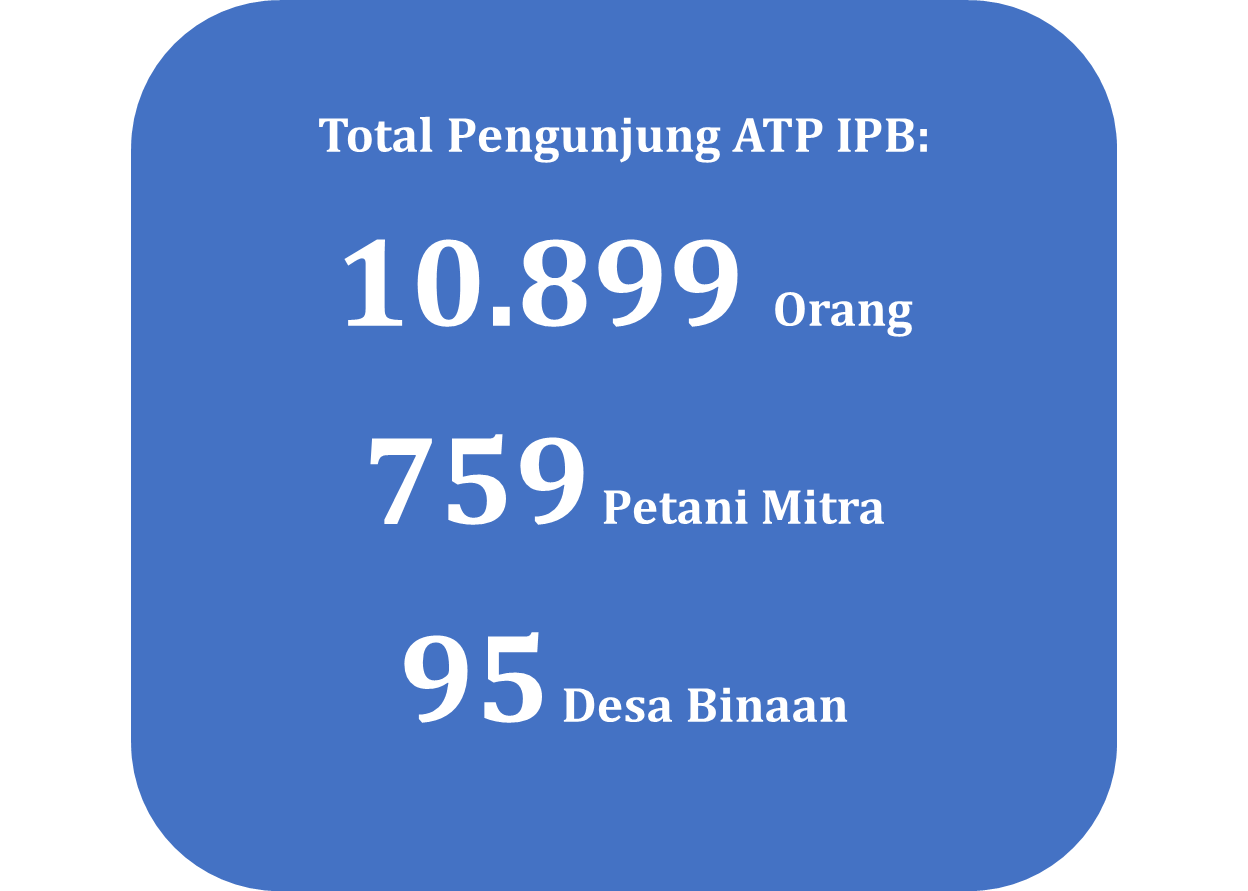
The Agrotechnopark (ATP) IPB serves as an innovation center focusing on social entrepreneurship, agromaritime services, and digital farming implementation to support modern agriculture. ATP has established partnerships with farmers in villages surrounding the campus. In 2024, ATP IPB recorded 10,899 visitors, including 759 partner farmers and 95 assisted villages, reflecting its active role in fostering knowledge exchange and sustainable agricultural development.
IPB University has several market channels to market its products, and farmers, food producers, and home industries are assisted by the university. IPB prioritizes purchasing products from locals to fulfill the need of the university as well as to expand the market. To maintain the collaboration with these smallholders and SMEs, IPB keeps assisting them through technical assistance and knowledge transfer.
IPB University supports the ethical sourcing of food and supplies. This commitment is seen in policies established and enacted for use within the university ground, the immediate surrounding area, and the national scale. In 2020, IPB issued a policy highlighted the ethical sourcing of food and supplies as stated in Rector’s Decree No. 133/IT3/LK/2020 concerning IPB’s Commitment in Achieving SDGs, specifically on page 2, point J “IPB ensure ethical sourcing of food and supplies”.
Sustainable food purchase from local farmers for IPB University canteen IPB University always uses local products for the canteen and meeting programs at the campus. Agricultural products marketed by the Agribusiness and Technology Park (ATP come from products of local farmers as well as ATP self-produce). More than 759 partner farmers and 95 villages are assisted by ATP IPB to produce high-quality organic food. ATP IPB prioritizes purchasing local farmers’ products as part of IPB’s commitment to community engagement and development. Collaborating with farmers enables ATP IPB to guarantee the availability and quality of food products for sustainable marketing.
IPB Shop IPB official stores are available online and offline for the campus population and the public around Bogor, Jakarta, and neighboring districts. These stores sell various products, including vegetables, meats, processed food, herbal, etc. These products are purchased from local farmers, food producers, and home industries, assisted by IPB University.
SDG 2 IN NUMBER
7,813
Number of Graduates in 2024
7,813
Number of graduates from a relevant agriculture course
100 %
Percentage of graduates from agriculture
33mt
Total Food Waste
39,054
Number of Campus Population
Select an image for which you want to see the achievement of the SDG indicators
SDG 2: ZERO HUNGER
“The ability to feed the world is a key element of sustainable development. If done right, agriculture, forestry and fisheries can provide nutritious food for all. At the same time it can ensure rural development with people at the centre of the process, supporting the incomes of those who rely on agriculture. Universities need to be able to demonstrate how they are contributing to end hunger, achieve food security and improved nutrition and promote sustainable agriculture.”
(THE Impact Rankings)
SDG 2 Report
Campus Food Waste
IPB University demonstrates a strong commitment to sustainable waste management across its campus environment. Since 2021, all university units have been required to monitor and report their waste generation in accordance with the Circular Letter on Waste Management at IPB University and the Rector Decree No. 29/IT3/OT/2020. These policies reflect the university’s adoption of the 3R principles — Reduce, Reuse, and Recycle — as the foundation for environmental stewardship.
Throughout 2024, IPB systematically measured and managed its waste following SNI 19-3964-1994, ensuring that data collection met national standards. The system involves several stages:
- Food waste is collected and weighed at each station using precise digital scales.
- The collected waste is then sorted into categories such as rice, vegetables, and side dishes.
- Each category is weighed individually and the data are documented systematically.
Each waste category, including food waste, plastics, glass, and paper, was weighed using digital scales at collection points. The university recorded a total of 8.501 kilograms of organic and inorganic waste, a portion of which was transformed into compost and recycled into 137 paving blocks through student-led initiatives.
To prevent excessive food waste during campus events, organizers are required to accurately estimate attendance and adjust catering orders accordingly. In cases where there are changes in participant numbers, caterers are promptly informed to modify food portions. Furthermore, IPB collaborates with accredited charitable organizations through the Food Bank program, which redistributes surplus food and beverages from donors to students in need.
Student Hunger
In 2024, IPB University introduced several programs in place on student food insecurity and hunger:
- FoodBank: A program that collects food and drinks from donors and distributes them to students in need. In 2024, IPB University through the IPB Food Bank distributed over 1.000 food packages.
- Agrianita Faperta IPB: A total of 400 healthy lunch packages were distributed to active students of the Faculty of Agriculture, IPB University, by Agrianita Faperta IPB in collaboration with the Alumni Association of the Faculty of Agriculture and the Student Executive Board of the Faculty of Agriculture at the Dramaga Campus. The activity was organized as a form of concern and commitment to student welfare, as stated by the Chairperson of Agrianita, who emphasized that this program represents the embodiment of hard work and smart work in maintaining consistent care within the faculty environment.
- Warung Kita: Warung Kita IPB is known not only as an everyday place to eat, but also as a way of caring for the welfare of students in the academic environment of IPB. Through affordable prices and a cross-subsidy system, Warung Kita provides around 300 meal portions every day to ensure that all students, including those with limited financial means, can access nutritious food on campus. In 2024, BRI Peduli TJSL supported the expansion and improvement of Warung Kita’s facilities, strengthening its role as a platform for care and tangible support for IPB students, particularly in fostering an inclusive campus environment.
- Milk and Fruit Assistance: The Fruit and Milk Program is an IPB initiative aimed at improving students’ access to nutritious food. Since 2021, the program has distributed 100 free fruit and milk packages every working day to students from various academic levels. In 2024, the program also began reaching the Vocational School and Business School campuses, allocating around 100 packages per day.
- Daily free meals. The Free Meal Program by Alumni 18&19 is an initiative carried out through a collaboration between the 2018 and 2019 alumni and the Directorate of Student Affairs at IPB University. This program has been running for three years and aims to help meet the food needs of active IPB students in need. Every Monday to Friday, 35 students receive free dinner packages as a form of support for student welfare.
IPB University provides targeted interventions to ensure that no student experiences hunger by maintaining accessible, affordable, and nutritious food services on campus.
- FEMA Berbagi: One of the main focuses of this activity is the distribution of food, which includes providing staple foods and snacks to active students in need, ensuring that their basic needs are directly met.
- Free Drinking Water Stations: The Drinking Water Station (DWS) Program is a waqf-based initiative by IPB University that provides clean, free, and ready-to-drink water for the entire academic community. Since its launch in 2021 with a single unit at the Rectorate Building, the number of DWS units has steadily increased, reaching 23 units across 14 locations in 2024, with a total investment value of IDR 1,138,732,576, including distribution and maintenance costs. The installation sites cover various faculties, campus mosques, student dormitories, and the IPB Polyclinic.
-
Based on the DWS distribution map, these units have reached nearly all major areas of IPB Dramaga Campus, ensuring easier access to drinking water for students and academic staff. In addition to improving the habit of drinking water, this program also provides economic benefits by reducing student expenditure on drinking water to around IDR 73,000 per person per month.
- FoodBank: A program that collects food and drinks from donors and distributes them to students in need. In 2024, IPB University through the IPB Food Bank distributed over 1.000 food packages.
IPB provides sustainable, healthy, and affordable food choices for all on campus. Examples of student’s favorite canteens are Sapta, Yellow Corner, Blue Corner, and Purple Corner, which provide menus for campus students and people who are vegan or vegetarian to be able to consume types of food that are tolerant of them.
Almost all the food provided in the IPB canteen is sold at a very friendly and affordable price. Healthy food can be seen in menu options that balance nutrition and food safety. To ensure food safety, IPB has conducted training for canteen tenants and IPB kitchen management, doing sampling and analysis to prove the good practices they follow. IPB has monitored food prices in all food outlets and regulated prices that should be affordable to students.
IPB also produces fresh and organic vegetables that are marketed at an affordable price for the campus population through Botani Fresh Mart, a retail outlet managed by the Business, Investment, and Waqf Management Agency (BP Biswaf) of IPB. Botani Fresh Mart offers a wide variety of fresh, locally sourced vegetables and fruits, promoting plant-based consumption among students and staff.
The mart partners with local farmers and national markets such as GrandLucky, Diamond Supermarket, YOGYA Group, and All Fresh, ensuring that the products are sustainably produced and distributed. Located within the IPB Dramaga campus, Botani Fresh Mart supports the university’s commitment to sustainable agriculture, food security, and accessible vegetarian and vegan food options for all members of the campus community.
All food provided in the IPB canteen is sold at an affordable price. Healthy food can be seen in menu options that balance nutrition and food safety. IPB also provides a canteen that offers subsidized nutritious meals for students in need, supported by IPB alumni. Warung Kita ensures that all students, regardless of their financial background, have access to healthy and affordable food options.
To ensure food safety, IPB has conducted training for canteen tenants and IPB kitchen management, taking samples and conducting analyses to verify their good practices. IPB has monitored food prices at all food outlets and set affordable prices for students. IPB also evaluates food quality on campus. In addition, food in IPB canteens has obtained Halal certification. This Halal certification demonstrates that IPB canteens are committed to the quality, safety, and halal status of the food and beverages sold.
IPB University takes several measures to address food security and alleviate hunger, both among staff and within the wider community. The university is actively involved in food provision and accessibility initiatives, as part of its commitment to social responsibility and community welfare.
IPB offers free lunch for staff every Wednesday during the weekly meeting. This program aims to strengthen relationships among staff and enhance the work environment. Informal interactions over lunch can help foster a more positive atmosphere and support productivity.
In 2024, IPB University distributed 5,197 Eid gift packages to all employees, including civil servants, permanent employees, contract employees, and daily workers. The gift packages consisted of 10 types of products such as beef, chicken, fish, premium rice, cooking oil, sugar, syrup, and wheat flour; the distribution was carried out as an expression of gratitude and sharing happiness ahead of Eid al-Fitr 1445 H.
On April 2, 2024, the leadership of IPB University, the Faculty of Animal Science, and the Department of Animal Production and Technology carried out the distribution of Eid al-Fitr 1445 Hijriah gift packages as an annual routine activity. The activity was intended to share happiness among faculty staff while strengthening bonds of togetherness and expressing appreciation for the contributions of all members within the institution.
Beyond internal programs, IPB University also collaborates with local government and non-governmental organizations to address broader food security issues in surrounding communities. These initiatives not only improve access to food but also promote sustainable practices and awareness. Such programs highlight IPB’s role as an institution that prioritizes not only academic excellence but also the well-being of its members and community stakeholders.
National Hunger
IPB University is strongly committed to improving access to food security and sustainable agriculture and aquaculture knowledge, skills, or technology for local farmers and food producers. There are several platforms and programs for local farmers and food producers, namely: DigiTani (Digital Agricultural Extension), Sekolah Peternakan Rakyat (School of Community’s Livestock), One Village One CEO, Klinik Tanaman, and training for ornamental fish producers.
- DigiTani (Digital Agricultural Extension): IPB Digitani has various features, such as popular articles, consultation articles, farmer forums, and ask the experts. The number of Digitani users in 2024 is 12.537 users consisting of students, farmers, extension officers, experts, lecturers, and others. There are 1.073 articles on IPB Digitani consisting of news, consultation articles, and popular articles with an average monthly readership of 3.136 readers. Beneficiaries include farmers, breeders, fishermen, students, extension workers, and the general public.
- TNC IPB services: TNC IPB is required to visit many locations by bringing IPB University experts to help solve agricultural problems and conduct training in both technical and community development fields. Offline services at these locations are possible thanks to the support and cooperation of various institutions.
In 2024, IPB has collaborated with 18 institutions, including universities, mass organizations, NGOs, government agencies, and domestic and foreign companies. During 2024, TNC IPB’s services reached farmers, fishermen, livestock breeders, animal lovers, agricultural activists, and MSMEs in 102 villages, 49 districts/cities, in 17 provinces in Indonesia.
- Webinar: The webinar was held to analyze and find solutions to the problems currently faced by farmers, fishermen, ranchers, MSME actors, and observers of agromaritime community development. During 2024, 11 webinars were held with speakers consisting of farmers/fishermen/ ranchers (10 people), agricultural extension workers/POPT (4 people), academics/researchers (20 people), entrepreneurs (6 people), and government officials (4 people). The webinar participants numbered 4.490 people, consisting of farmers/ ranchers/fishermen, agricultural extension workers/POPT, academics/researchers, entrepreneurs, students, and activists concerned with agromaritime community development.
- Training for farmers:
IPB collaborates with Yayasan Hutan Organik and PT Danone Nutricia to organize a sustainable honey bee farming program that improves farmers’ technical knowledge in apiculture. This initiative promotes biodiversity conservation, increases crop productivity, and strengthens community-based food security around the university’s coverage area.
Through the Vocational School, IPB University facilitated training on plant-based pesticide formulation using papaya leaves and agricultural business analysis for a group of women farmers in Mulyaharja Village. These activities improved participants’ understanding of eco-friendly pest control and sustainable agricultural management, while promoting environmental sustainability and economic resilience.
On the other hand, in the SPPI 2024 Agricultural Improvement Program at Pusdikif’s Cipatat Livestock Cluster, IPB introduced pasteurization and cheese-making techniques. The program equipped participants with practical skills in dairy processing and product innovation-such as mozzarella cheese production-that support the development of added value in local livestock enterprises. In addition, IPB lecturers conducted capacity building training for women farmer groups (KWT) in Nagrak, Sukabumi, focusing on healthy beverage production and food processing.
IPB University provides targeted interventions to ensure that no student experiences hunger by maintaining accessible, affordable, and nutritious food services on campus.
- FEMA Berbagi: One of the main focuses of this activity is the distribution of food, which includes providing staple foods and snacks to active students in need, ensuring that their basic needs are directly met.
- Free Drinking Water Stations: The Drinking Water Station (DWS) Program is a waqf-based initiative by IPB University that provides clean, free, and ready-to-drink water for the entire academic community. Since its launch in 2021 with a single unit at the Rectorate Building, the number of DWS units has steadily increased, reaching 23 units across 14 locations in 2024, with a total investment value of IDR 1,138,732,576, including distribution and maintenance costs. The installation sites cover various faculties, campus mosques, student dormitories, and the IPB Polyclinic.
-
Based on the DWS distribution map, these units have reached nearly all major areas of IPB Dramaga Campus, ensuring easier access to drinking water for students and academic staff. In addition to improving the habit of drinking water, this program also provides economic benefits by reducing student expenditure on drinking water to around IDR 73,000 per person per month.
- FoodBank: A program that collects food and drinks from donors and distributes them to students in need. In 2024, IPB University through the IPB Food Bank distributed over 1.000 food packages.
IPB University provides access to its facilities, technologies, and research outputs for local farmers and food producers to support sustainable agricultural practices and improve food product quality. The SEAFAST Center IPB offers public services in chemical, microbiological, and sensory analysis, as well as food quality and safety testing for small- and medium-scale food enterprises. Through this facility, farmers and local producers can utilize the university’s laboratories and technology for product certification, licensing, and development based on food safety standards, contributing to food security and local agro-industry development.
Access to University Facilities for Local Farmers
IPB has analytical facilities for the public to improve product quality from farmers or local businesses. Facilities at IPB for food analytical or certification:
SEAFAST Center IPB
- Food Microbiology Analysis Laboratory
- Food Biotechnology Laboratory
- Food Quality and Safety Laboratory: Chemistry
- Food Quality and Safety Laboratory: Microbiology
- Food Sensory Evaluation
- Animal Assay Laboratory
Testing Laboratory of the Department of Agricultural Industrial Technology
- Analysis for wastewater and AMDK
- Analysis of the quality of crystal sugar
- Analysis of material and agroindustry product
Testing and Certification Services Laboratory of IPB Laboratorium Jasa Pengujian dan Sertifikasi IPB
- Certified by LP-156-IDN for Analytical test
- LK-336-IDN for Calibration test,
- LSPr-030-IDN,
- LSHACCP-009-IDN,
- LSSMKP-009-IDN for product certification,
- HACCP
Food analysis services
- Chemical Analyses (Proximate (ash, moisture, fat, protein, carbohydrate), Dietary fiber, Vitamins (A, B1, B2, C, E), Minerals and heavy metal (Na, Ca, K, Fe, Zn, Mg, Hg, Co, Cd, Pb, Cu, As, etc), pH dan titrable acid, Fatty acid composition (GC), Sugars (total sugar, reducing and non-reducing sugar, lactose), Cholesterol (GC), Phenolic content (tanin), Formaline and borax (qualitative and quantitative), Qualitative analyses of MSG, nitrate, nitrite, and cyclamate, Beta caroten (HPLC), Amylose and amylopectin (spectrophotometer), Amino acid (HPLC), Water activity, Acidic, acetyl, ester, safonic, peroxide, and iodic values (titrimetric), Nutritional fact, Free fatty acid (titration), DHA, Cyanidic acid (qualitative/quantitative), Carageenan (Manan and alginate), MSG (qualitative), Nitrate/nitrite, Starch (Luf Schrool and Lane Eynon Methods), Pectin, Sacharine and cyclamate (qualitative), Volatile oil, Colorant (qualitative), Sulfite, Smoke test.
- Physical Analyses: Fluid behaviour (Newtonian/non-Newtonian), Rheological analyses by Farinograph, Extensograph and Brabender amylograph), Solid behavior (elasticity, plasticity, visco-elasticity, Texture analysis of food products or materials (viscosity, gel strength, crispiness), Colour (L, a, and b values), Microscopic analysis (e.g. granule size and shape), Total soluble solid, Density, Refraction index, Whiteness, Emulsion stability index, Fat impurity, Optic active, Texture Profile Analysis (hardness, brittleness, elasticity, cohesiveness, stickiness), Thermal properties (thermal conductivity), Polarized Microscopic analysis for starch granular size and shape.
- Microbial Analyses: Pathogen bacteria (Salmonella, Staphylococcus aureus, Bacillus cereus, Clostridium perfringens, Enterobacteriaceae, bacteria spore), Sanitation indicator bacteria (Coliform, E. coli, Streptococcus faecalis), Lactic acid bacteria, Yeast and mould, Total plate count (mesophyl/thermophyl), Aflatoxin B1, B2, G1, G2 (HPLC), Vibrio cholera (quantitative/aglutination), Gram positive/negative bacteria.
- Food Quality Analyses: Nutrition fact, Shelf-life determination of processed food products (Arrhenius Model and Moisture Sorption Isothermic Model), Fat quality, Sensory analysis, Determination of Fo value for thermal process adequacy (batch retort and continuous aseptic system), Other quality analyses according to client request.
PT BLST IPB University provides access to university facilities, innovations, and technologies for farmers through collaboration with Perum Bulog in the development of climate-smart rice cultivation technology. The “Asta Citha Padi” innovation developed by IPB University introduces eight integrated technology components, including seeding systems, water management, mechanization, and climate-adaptive cultivation management. This initiative helps farmers enhance productivity and input-use efficiency while strengthening resilience to drought, flooding, and pest attacks, thereby promoting sustainable farming practices.
The Agrotechnopark (ATP) IPB serves as an innovation center focusing on social entrepreneurship, agromaritime services, and digital farming implementation to support modern agriculture. ATP has established partnerships with farmers in villages surrounding the campus. In 2024, ATP IPB recorded 10,899 visitors, including 759 partner farmers and 95 assisted villages, reflecting its active role in fostering knowledge exchange and sustainable agricultural development.
IPB University has several market channels to market its products, and farmers, food producers, and home industries are assisted by the university. IPB prioritizes purchasing products from locals to fulfill the need of the university as well as to expand the market. To maintain the collaboration with these smallholders and SMEs, IPB keeps assisting them through technical assistance and knowledge transfer.
IPB University supports the ethical sourcing of food and supplies. This commitment is seen in policies established and enacted for use within the university ground, the immediate surrounding area, and the national scale. In 2020, IPB issued a policy highlighted the ethical sourcing of food and supplies as stated in Rector’s Decree No. 133/IT3/LK/2020 concerning IPB’s Commitment in Achieving SDGs, specifically on page 2, point J “IPB ensure ethical sourcing of food and supplies”.
Sustainable food purchase from local farmers for IPB University canteen IPB University always uses local products for the canteen and meeting programs at the campus. Agricultural products marketed by the Agribusiness and Technology Park (ATP come from products of local farmers as well as ATP self-produce). More than 759 partner farmers and 95 villages are assisted by ATP IPB to produce high-quality organic food. ATP IPB prioritizes purchasing local farmers’ products as part of IPB’s commitment to community engagement and development. Collaborating with farmers enables ATP IPB to guarantee the availability and quality of food products for sustainable marketing.
IPB Shop IPB official stores are available online and offline for the campus population and the public around Bogor, Jakarta, and neighboring districts. These stores sell various products, including vegetables, meats, processed food, herbal, etc. These products are purchased from local farmers, food producers, and home industries, assisted by IPB University.
SDG 2 IN NUMBER
7,813
Number of Graduates in 2024
7,813
Number of graduates from a relevant agriculture course
100 %
Percentage of graduates from agriculture
33mt
Total Food Waste
39,054
Number of Campus Population
Select an image for which you want to see the achievement of the SDG indicators
